Posts By :

ignacio@mcval.net

How to Build a Scalable Website Foundation for Long-Term Growth 1024 682 ignacio@mcval.net

How to Build a Scalable Website Foundation for Long-Term Growth

Most websites crumble under traffic spikes. Your growth stalls because your site can’t keep up. Building a strong, scalable web architecture changes that. In this post, you’ll learn how to create a website foundation designed to grow with your business—fast, secure, and built for lasting success. Learn more about building scalable websites for business growth.

Core Principles of Scalable Web Architecture

A scalable web architecture is crucial for businesses aiming for long-term growth. It ensures your website can handle increased traffic without slowdowns or crashes.

Importance of Scalable Web Architecture

Scalable web architecture is essential because it prepares your website for growth. As your business expands and attracts more visitors, your site must remain fast and accessible. Without scalability, traffic spikes can slow your site or even cause it to crash, leading to lost customers and revenue. Ensuring your website is built with a scalable architecture keeps it reliable and responsive, regardless of traffic levels.

Key Components for Scalability

Creating a scalable website involves several critical components. First, adopting a modular design allows easy updates and feature additions as your needs evolve. Second, cloud hosting offers flexibility, letting you adjust resources based on traffic. Finally, using a content delivery network (CDN) speeds up content delivery, reducing load times. These elements work together to maintain website performance, even as demand increases.

Benefits of Scalable Solutions

Scalable solutions offer numerous benefits. They enhance user experience by keeping your site fast and responsive. This leads to higher customer satisfaction and retention. Additionally, scalable architecture supports seamless growth, allowing you to focus on expanding your business instead of worrying about technical roadblocks. By investing in scalability, you set the stage for sustainable growth.

Custom Development and SEO Services in Ogden
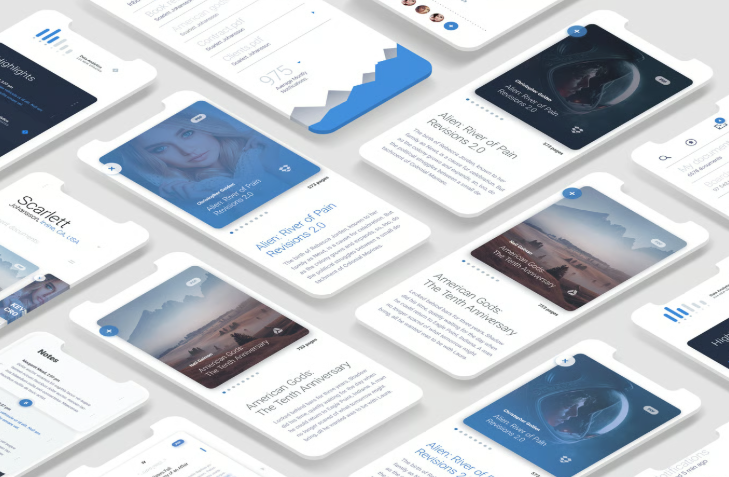
SolidifyWeb offers tailored solutions to local businesses, ensuring their websites are not just scalable but optimized for search engines.

Tailored Solutions for Local Businesses

Local businesses in Ogden can benefit from custom web development that caters specifically to their needs. By choosing SolidifyWeb, you gain access to a team that understands the unique market dynamics of Ogden. Our custom designs are SEO-optimized, enhancing visibility in local searches. This tailored approach ensures your site meets your business goals while resonating with your target audience.

Technical SEO and Core Web Vitals

Technical SEO is vital for your website’s search engine performance. It involves optimizing site speed, mobile responsiveness, and security. Core Web Vitals, a Google ranking factor, assesses these aspects to ensure your site delivers a superior user experience. At SolidifyWeb, we focus on these technical elements, ensuring your site meets Google’s standards and performs well in search results.

Cloud Hosting and CI/CD for Websites

Cloud hosting provides flexibility and reliability, essential for scaling businesses. Combined with continuous integration and continuous deployment (CI/CD), it streamlines updates and deployments. This approach minimizes downtime, ensuring your site remains accessible and up-to-date. SolidifyWeb utilizes these technologies to deliver robust, scalable solutions that grow with your business.

Future-Ready Digital Strategies
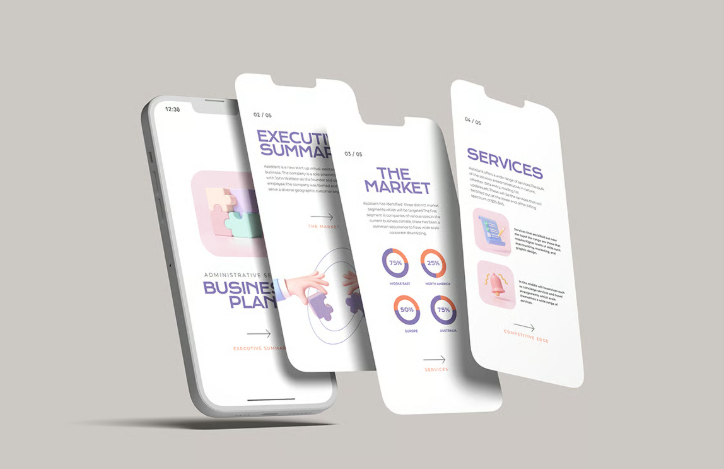
Embrace future-ready strategies to ensure your website remains competitive and adaptable to changing market needs.

API-First Development and Headless CMS

API-first development allows seamless integration of new features and services, essential for adaptability. A headless CMS decouples content management from presentation, offering flexibility in how content is delivered across platforms. These strategies future-proof your website, making it adaptable to new technologies and user expectations.

Conversion Rate and Performance Optimization

Optimizing conversion rates and performance is critical to maximizing your website’s effectiveness. By improving load times and user interfaces, you encourage visitors to stay longer and engage more. SolidifyWeb focuses on these aspects, ensuring your site not only attracts traffic but converts visitors into loyal customers.

Engaging with SolidifyWeb for Growth

Partnering with SolidifyWeb means committing to a long-term growth strategy. Our expertise in scalable architecture, custom development, and SEO ensures your website supports your business goals. We work closely with you to deliver solutions tailored to your needs, helping you achieve sustained success.

Frequently Asked Questions

What is scalable web architecture?

Scalable web architecture refers to a website’s ability to handle increased traffic and data efficiently. It ensures that as your site grows, performance remains consistent without crashing or slowing down.

Why is cloud hosting important for scalability?

Cloud hosting is crucial because it offers flexibility and resources can be adjusted based on traffic needs. This ensures your website remains fast and reliable, accommodating growth and traffic spikes.

How does technical SEO impact website performance?

Technical SEO improves site performance by optimizing load times, mobile responsiveness, and security. These factors enhance user experience and impact search engine rankings, making your website more visible.

Let’s take care of your website today

How to Build a Local Business Website That Ranks and Converts (Ogden Edition) 728 483 ignacio@mcval.net

How to Build a Local Business Website That Ranks and Converts (Ogden Edition)

Most local business websites miss the mark on ranking and turning visitors into paying customers. Your Ogden business can stand out by building a site that checks every box on local SEO, mobile-first design, and conversion rate optimization. In this post, you’ll get a clear, step-by-step guide on how to build a local business website that ranks and converts—plus why SolidifyWeb is the right partner to bring it all together. For additional insights, you might find this resource helpful.

Building a Local Business Website

Creating a site that stands out in Ogden starts with a solid plan. By focusing on the right elements, your website can effectively attract and convert local visitors.

Planning for Ogden Success

Successful websites begin with understanding your audience. Think about the people in Ogden who will visit your site. What do they need? How can you help them? Knowing your audience lets you tailor your site’s design and content to meet their needs.

Start by identifying your business goals. Are you focused on increasing foot traffic to your physical store, or do you want to boost online sales? Once you know your objectives, set up the structure of your site to guide visitors towards those goals. Make sure your site’s layout is easy to navigate, with clear paths leading visitors to take action, such as filling out a contact form or making a purchase.

Use a content management system (CMS) that allows you to update your site easily. Platforms like WordPress or Webflow offer flexibility and control. Keep your design mobile-friendly, as most users will access your site from their smartphones. Remember, a simple and clean design often works best.

Essential Website Features

To stand out, your site needs key features that make it effective and user-friendly. Start with fast loading speeds. A slow site can lose visitors quickly. Optimize images and minimize code to enhance speed.

Incorporate clear calls-to-action (CTAs). Every page should have a purpose, guiding visitors to act. Whether it’s signing up for a newsletter or booking an appointment, make sure CTAs are easy to find and use.

Don’t forget about security. Protecting customer data builds trust. Implement SSL certificates to keep data secure during transactions. For businesses handling sensitive information or eCommerce, robust security measures are essential.

Optimizing for Google Ranking

Once your website is up and running, the next step is ensuring it ranks well on Google. This involves strategic SEO practices.

Local SEO Ogden Strategies

To rank well in local searches, focus on optimizing your Google Business Profile. Ensure your business information is accurate and complete. Include your address, phone number, and business hours. Encourage customers to leave reviews, as positive feedback can boost your visibility.

Building local citations is also important. These are mentions of your business on other websites, like local directories. The key is consistency: make sure your business name, address, and phone number (NAP) are the same everywhere online.

Using schema markup for local businesses can further enhance your search visibility. This code helps search engines understand your business better and display it prominently in local search results.

On-Page SEO Checklist

On-page SEO involves optimizing elements on your site to improve its search rankings. Start with keywords. Use them naturally in your titles, headings, and throughout your content.

Next, focus on meta tags. Your site’s meta descriptions should be compelling, encouraging users to click through to your site. Also, use header tags to structure your content, making it easier for search engines to read.

Don’t overlook the importance of internal linking. This helps search engines understand the context of your content and keeps visitors engaged longer on your site.

Converting Visitors to Leads

Once your site is attracting visitors, the goal is to convert them into leads or customers. Here’s how to do it effectively.

Effective Contact Forms and CTAs

Contact forms are crucial for gathering information from potential customers. Keep them short and simple. Only ask for necessary information to reduce friction. For example, a form requiring just a name, email, and message can be more effective than one with too many fields.

CTAs like “Get a Free Quote” or “Schedule a Consultation” can drive engagement. Place them in strategic locations on your site, such as at the end of blog posts or prominently on your homepage.

Content Strategy for Local SEO

Content is king when it comes to attracting and converting visitors. Your content should answer common questions and solve problems for your audience. Use local keywords naturally in your content to attract Ogden residents.

Create service area pages to target specific neighborhoods or regions. This helps you rank for location-based searches. Share local news or events on your blog to engage the community and show your relevance.

Maintain a consistent content schedule. Regularly updating your blog or news section keeps your site fresh and encourages visitors to return.

Frequently Asked Questions

How can I improve my website’s loading speed?

Improving your site’s speed involves optimizing images, minimizing CSS and JavaScript, and using browser caching. Consider tools like Google PageSpeed Insights for specific recommendations.

Why is local SEO important for my Ogden business?

Local SEO helps your business appear in search results when people in Ogden look for services you offer. It increases visibility and attracts local customers who are more likely to convert.

What are the best practices for creating effective CTAs?

Effective CTAs are clear, action-oriented, and placed strategically on your site. Use strong verbs and create a sense of urgency to encourage visitors to act quickly.

How do I choose the right CMS for my business website?

Choose a CMS based on your needs and technical skills. WordPress is a popular option for its flexibility and ease of use, while Webflow offers more design control for experienced users.

What is schema markup, and how does it help my website?

Schema markup is code that helps search engines understand your site better. It can improve how your site appears in search results, potentially increasing click-through rates and local visibility.

Let’s take care of your website today
Day One Alignment: Why Technical SEO and Development Must Ship as One 612 408 ignacio@mcval.net

Day One Alignment: Why Technical SEO and Development Must Ship as One

Most website launches stumble because technical SEO and development run on separate tracks. When your site architecture, page speed optimization, and mobile-first design aren’t planned together from day one, you risk costly fixes that slow growth. At SolidifyWeb, we build scalable web applications with SEO baked in, so your Ogden business gets the performance and visibility it deserves. Read on to see why early alignment saves time and drives better results. For more information on the importance of integrating SEO from the start, check out this resource: SEO Planning.

The Power of Early Planning

The secret to a successful website launch lies in meticulous planning from day one. Good planning ensures that your technical SEO and development goals are aligned, which helps avoid costly adjustments later.

SEO-Ready Architecture from the Start

To build a strong foundation, you need SEO-ready architecture. This means thinking about site structure and navigation early on. With a well-organized site, search engines can easily index and rank your pages, boosting visibility.

A clear site map acts like a guide for search engines, ensuring they find and index every important page. This organization is crucial, especially for e-commerce sites aiming to attract customers. With a strong SEO foundation, your site becomes a valuable tool for reaching more people.

Integrating Development with SEO Goals

When development and SEO work together, your site performs better in search engine results. By integrating these two elements from the start, you ensure that your website meets both technical and SEO standards.

Developers can optimize page speed, improve mobile usability, and enhance overall user experience. This collaboration leads to a website that’s not only functional but also effective at driving organic traffic. For a deeper dive into why integration is key, explore this guide.

Key Components of a Unified Approach

A unified approach to web development and SEO can significantly impact your site’s performance and visibility. Let’s explore the key components that contribute to this approach.

Performance and Core Web Vitals

Performance is a critical factor in both user satisfaction and search engine rankings. Core Web Vitals, which measure loading speed, interactivity, and visual stability, are essential metrics to consider.

By focusing on these metrics, you ensure that your site provides a seamless experience. Slow-loading pages frustrate users and lead to higher bounce rates. By improving performance, you keep visitors engaged and increase the likelihood of conversions. To understand more about the technical tasks involved, check out this resource.

Importance of Mobile-First Design

With more users accessing the web through mobile devices, mobile-first design is no longer optional. Designing for mobile ensures that your site is accessible and user-friendly on any device.

Mobile-first design prioritizes essential elements for smaller screens, making navigation intuitive and smooth. This approach not only improves user experience but also aligns with search engine preferences, boosting your site’s rankings. For further insights, read this article.

Ensuring Long-Term Success

A successful website launch is just the beginning. Ensuring long-term success requires continuous optimization and maintenance.

Structured Data and Schema Markup

Structured data and schema markup help search engines understand your site’s content better. By providing additional context, you increase the chances of appearing in rich search results.

Using structured data improves your site’s visibility and makes it more attractive to search engines. This added layer of information can enhance click-through rates and lead to more qualified traffic.

Analytics and Conversion Rate Optimization

Analytics are crucial for understanding user behavior and identifying areas for improvement. By analyzing data, you can make informed decisions to optimize your site and boost conversions.

Conversion rate optimization focuses on improving the effectiveness of your site in turning visitors into customers. By testing different elements and strategies, you can find what works best for your audience and maximize your site’s potential.

Frequently Asked Questions

How can aligning SEO and development from the start benefit my website?

By aligning SEO and development early, you ensure that your site is built with both technical and SEO priorities in mind. This leads to better performance, higher search engine rankings, and a more seamless user experience.

Why is mobile-first design important for my website?

Mobile-first design ensures that your site is accessible and user-friendly on any device. With more users accessing the web through mobile devices, this approach improves user experience and aligns with search engine preferences, boosting your site’s visibility.

What are Core Web Vitals, and why do they matter?

Core Web Vitals are a set of metrics that measure loading speed, interactivity, and visual stability. These metrics are crucial for user satisfaction and search engine rankings. By focusing on these metrics, you ensure that your site provides a seamless and effective user experience.

Let’s take care of your website today

Mobile-First Usability: Why It Belongs in Every Website Planning Decision 1024 682 ignacio@mcval.net

Mobile-First Usability: Why It Belongs in Every Website Planning Decision

Mobile-first design is no longer optional—it’s the foundation for any website that aims to perform well in search engines and convert visitors into customers. If your site struggles with slow page speed or clunky mobile usability, you’re leaving money on the table every day. In this post, you’ll learn why mobile-first usability must shape every website planning decision, from Core Web Vitals to responsive web design, and how SolidifyWeb’s Ogden web development expertise can help you win online. For further reading on mobile-first design, check out this resource.

Importance of Mobile-First Design

Mobile-first design is critical because more people are browsing on their phones. Let’s explore how this impacts conversions, SEO, and costs.

Driving Conversions Through Mobile Usability

Mobile usability directly influences whether visitors become customers. If your site works smoothly on a phone, users are more likely to stay and explore. A cluttered mobile site can drive visitors away. Make navigation simple and buttons easy to tap. Consider how your site appears on small screens. Remember, each second counts—fast loading keeps users engaged.

Enhancing SEO with Responsive Web Design

Responsive web design boosts your search rankings. Search engines favor sites that adapt to different devices. When your site is responsive, it adjusts to any screen size, providing a seamless experience. This adaptability can improve your SEO and help you rise in search results. A responsive design tells search engines your site is user-friendly, which can enhance your visibility online.

Lowering Maintenance Costs with Core Web Vitals

Core Web Vitals are essential metrics that measure user experience. Focusing on these metrics can lower your maintenance costs. By optimizing site speed and interactivity, you reduce the need for constant updates and fixes. This leads to fewer headaches and lower expenses. Concentrate on Core Web Vitals to keep your site running smoothly and efficiently.

Benefits of Mobile-First Approach for Businesses

Adopting a mobile-first mindset offers numerous advantages. Here’s how it can benefit businesses, especially in Ogden.

Boosting Local SEO for Ogden Businesses

For Ogden businesses, local SEO is crucial. A mobile-first design can improve your local search performance. When customers search for services nearby, a mobile-friendly site ensures you appear prominently. Consider optimizing your Google Business Profile and using local keywords. This strategy helps attract local customers, boosting your visibility in the community.

Technical SEO and Page Speed Optimization

Technical SEO and fast page speed are linked. A mobile-first design enhances both. By optimizing your site’s technical aspects, you improve loading times. Quick page speeds mean a better user experience and higher search rankings. Use tools like Lighthouse to assess and enhance your site’s performance.

Ensuring ADA Accessibility Compliance

Accessibility is a must for all websites. A mobile-first design helps ensure your site is ADA compliant. This means making your content accessible to everyone, including people with disabilities. Use clear text, descriptive links, and proper alt tags for images. By considering accessibility, you create an inclusive online space.

SolidifyWeb: Your Ogden Web Development Partner

SolidifyWeb specializes in creating mobile-first, user-friendly websites. Here’s how we can help your business succeed.

Custom Web Development for Scalable Applications

Our custom web development services focus on creating scalable solutions. We tailor each project to your needs, ensuring your site grows with your business. Our team uses industry-leading technology to build fast, reliable web applications. Whether you need a simple site or a complex platform, we have the expertise to deliver.

Expert UX Design and Conversion Rate Optimization

We prioritize user experience (UX) design and conversion rate optimization. Our experts craft intuitive interfaces that guide users smoothly through your site. We analyze user behavior to enhance the customer journey, making it easier for visitors to convert. A thoughtful UX design can significantly boost your conversion rates.

Schedule Your Free Mobile UX and SEO Audit

Ready to improve your mobile presence? Schedule a free audit with us. Our team will assess your site’s mobile UX and SEO, providing actionable insights to enhance your digital strategy. Let SolidifyWeb guide you to better online performance and increased conversions.

Frequently Asked Questions

What is mobile-first design?

Mobile-first design is an approach where you design your website for mobile devices first. It’s essential because most users access websites on their phones.

How does responsive web design improve SEO?

Responsive web design adapts to different screen sizes, enhancing user experience. Search engines reward this adaptability with better rankings, improving your site’s visibility.

Why are Core Web Vitals important for my website?

Core Web Vitals measure key aspects of user experience like loading speed and interactivity. A focus on these metrics enhances performance and reduces maintenance costs.

How can mobile-first design improve local SEO?

A mobile-friendly site is crucial for local SEO. It ensures your business appears prominently when local customers search for services, increasing your visibility.

What does ADA compliance mean for my website?

ADA compliance ensures your site is accessible to individuals with disabilities. It involves using clear text, descriptive links, and alt tags for images to create an inclusive online experience.

Let’s take care of your website today

Choose the Right CMS: Keep Your Team Shipping, Not Stuck 683 1024 ignacio@mcval.net

Choose the Right CMS: Keep Your Team Shipping, Not Stuck

Most CMS choices start simple, but soon the tools slow your team down. You lose hours waiting on approvals, fixing broken workflows, or battling sluggish site updates. Choosing the right CMS means faster publishing, stronger SEO, and a platform that grows with your business. This CMS selection guide will help you cut through the noise and pick a system that keeps your team moving forward without the usual roadblocks.

Selecting the Right CMS

Choosing a CMS involves checking off several key criteria to ensure it aligns with your goals. Understanding these elements will guide you in making a choice that enhances productivity and growth.

Key Criteria for CMS Selection

When selecting a CMS, consider the ease of use and the flexibility it provides. Look for a system that supports your content types and integrates well with existing tools. Scalability is crucial, too. You want a CMS that grows with your business. Consider cost, security features, and user support. These factors will help you decide which platform delivers the best value for your needs.

SEO-Friendly CMS Options

An SEO-friendly CMS is vital for your site’s visibility. It should offer customizable URLs, meta tags, and headers. Options like WordPress and Webflow are popular for their strong SEO capabilities. They allow for easy optimization of content and images, crucial for ranking well. Look for built-in tools or plugins that support SEO best practices, ensuring your site stays competitive.

Role-Based Permissions and Workflows

To streamline content creation, a CMS with role-based permissions is essential. It lets you assign specific tasks to team members, ensuring a smooth workflow. This feature helps avoid bottlenecks and errors in content updates. With clear permissions, everyone knows their responsibilities, which speeds up the publishing process and maintains quality control.

Headless CMS and Traditional Choices

Understanding the differences between headless and traditional CMS options helps you choose the best fit. This section reveals the strengths and weaknesses of popular platforms, aiding your decision.

WordPress vs Webflow: Pros and Cons

WordPress is known for its extensive plugin ecosystem, offering flexibility and customization. It’s ideal for blogs and complex sites needing diverse functionality. However, managing plugins can become cumbersome. Webflow simplifies design with a visual builder, making it user-friendly for non-developers. While it may lack some WordPress flexibility, it excels in clean, responsive design. Content updates are intuitive, perfect for teams aiming for efficiency.

Exploring Headless CMS: Contentful, Sanity, Strapi

Headless CMS options like Contentful, Sanity, and Strapi offer powerful tools for developers. They separate content management from presentation, providing flexibility in how content is delivered. Contentful is known for its robust API and ease of integration. Sanity offers real-time collaboration, ideal for teams. Strapi is open-source, giving developers full control over customization. These platforms are perfect for businesses seeking a future-proof solution.

Benefits of Jamstack Architecture

Jamstack architecture enhances performance and security by serving static files, reducing server load. It’s highly scalable, ensuring quick load times even with high traffic. This approach integrates seamlessly with headless CMS, optimizing site performance. With Jamstack, you benefit from faster rendering and improved user experience, crucial for retaining site visitors.

Ensuring Performance and Scalability

Performance and scalability are key to maintaining a high-functioning website. Here’s how to ensure your site keeps up with growing demands.

Optimizing Site Performance and Core Web Vitals

Site performance impacts user experience and SEO. Focus on optimizing Core Web Vitals, which measure loading speed, interactivity, and visual stability. Tools like Google PageSpeed Insights can identify areas for improvement. Reducing image sizes and leveraging browser caching are simple ways to enhance performance. A fast site keeps users engaged and ranks better in search results.

CMS Migration and Content Governance

Migrating to a new CMS requires careful planning to avoid disruptions. Evaluate your current content, decide what to keep, and streamline workflows. Content governance ensures consistency and quality across your site. Set standards for content creation and updates, ensuring all team members follow best practices. A well-planned migration minimizes downtime and maximizes efficiency.

Custom Web Development in Ogden with SolidifyWeb

For businesses in Ogden, custom web development by SolidifyWeb offers tailored solutions to meet unique needs. Their expertise ensures your website is robust and scalable, supporting long-term growth. SolidifyWeb provides comprehensive services, from initial design to ongoing maintenance. By choosing them, you’re opting for a partner dedicated to your success, ensuring your digital presence remains strong and effective.

Frequently Asked Questions

What is the best CMS for small businesses?

For small businesses, WordPress is a great choice due to its flexibility and extensive plugin options. It supports various content types and is cost-effective, making it ideal for businesses with limited budgets.

How does a headless CMS differ from a traditional CMS?

A headless CMS separates content management from presentation. Unlike traditional CMS, it delivers content via APIs, allowing more flexibility in how content is displayed across different platforms and devices.

Why is site performance important for SEO?

Site performance affects user experience and search rankings. Fast-loading sites decrease bounce rates and improve user engagement, signaling to search engines that your content is valuable, thus boosting SEO.

How can I ensure a smooth CMS migration?

Plan your migration by auditing current content, setting goals, and training your team on the new CMS. Use a staging environment to test changes before going live, ensuring a seamless transition without disruptions.

What role does custom web development play in business growth?

Custom web development provides tailored solutions that align with your business goals. It ensures your website is optimized for performance, scalability, and user experience, all key factors in driving business growth.

Let’s take care of your website today
Build a Website That Earns Trust, Ranks Higher, and Captures More Leads 723 482 ignacio@mcval.net

Build a Website That Earns Trust, Ranks Higher, and Captures More Leads

Most websites lose visitors before they even get a chance to connect. You might have great products or services, but if your site doesn’t inspire trust or show up in local searches, leads slip away. In this post, you’ll learn how Ogden web development and SEO strategies combine to build a website that ranks higher, earns trust, and captures more qualified leads. Learn more.

Building Trust with Your Audience

Building trust starts with how your website looks and feels. A credible design reassures visitors that your business is professional and reliable.

Establishing Credibility Through Design

Your website’s design is the first thing visitors notice. A clean, professional look can make all the difference. Use consistent colors, fonts, and styles that reflect your brand. Make sure your logo is well-placed and visible. A cluttered or outdated design can turn users away.

Clear navigation helps users find what they need quickly. Easy-to-read content keeps them engaged. A well-organized layout guides their journey on your site. Remember, your site is often the first impression of your business. Make it count. For more insights, check out the best lead generation website practices.

Ensuring Security and Privacy

Security is crucial for building trust. Ensure your website has an SSL certificate. It encrypts data, protecting sensitive information like credit card details. Visitors feel safer knowing their data is secure.

Privacy policies also play a role. Clearly state how you collect, use, and protect user data. Transparency builds trust. Users appreciate knowing you care about their privacy. Regular security updates and backups add an extra layer of protection, ensuring your site remains safe and reliable.

Utilizing Trust Signals Effectively

Trust signals are elements on your site that reassure visitors of your credibility. Customer reviews and testimonials are powerful trust builders. Display them prominently on your homepage or product pages.

Badges and certifications also enhance trust. Display security badges or industry certifications if applicable. They show your commitment to quality and security. Engaging with users through live chat or quick response times further boosts confidence in your business.

Enhancing Search Visibility

Now that your website builds trust, it’s time to make sure people can find it. Enhancing your site’s visibility in search engines is key to attracting more visitors.

Importance of Technical SEO

Technical SEO is the backbone of your website’s search performance. It involves optimizing your site’s infrastructure to ensure search engines can easily crawl and index your pages. A well-structured site with a clear hierarchy helps search engines understand your content.

Regular technical SEO audits identify issues that could hinder performance. Addressing broken links, improving URL structures, and ensuring mobile-friendliness are crucial steps. These efforts enhance your website’s visibility and ranking potential. Read more about the key elements needed for a lead generation website.

Leveraging Local SEO Ogden

Local SEO helps your business stand out in local searches. Optimizing your Google Business Profile is a great start. Ensure your business information is accurate and complete. Add photos and encourage customer reviews.

Using local keywords in your content can also improve visibility. Mention locations relevant to your business and services. This helps you connect with local customers actively searching for your offerings. Local citations on reputable directories further boost your local SEO efforts.

Optimizing Core Web Vitals

Core Web Vitals measure user experience on your site. They focus on loading speed, interactivity, and visual stability. Fast-loading pages improve user experience and search rankings.

Optimize images and leverage browser caching to reduce load times. Ensure your site is responsive and adapts well to different devices. A smooth, efficient user experience keeps visitors engaged and improves your site’s performance in search results.

Driving Qualified Leads

A high-performing website not only attracts visitors but also converts them into leads. Driving qualified leads requires a thoughtful approach to design and functionality.

Crafting a Lead Generation Website

Your website should act as a lead generation machine. Place contact forms strategically to capture visitor information. Ensure forms are simple to fill out, asking only for essential details.

Create compelling call-to-action (CTA) buttons that stand out. Use action-oriented language to encourage clicks. Offering valuable content, such as free guides or newsletters, can entice visitors to share their information. Explore more about lead generation web design here.

Conversion Rate Optimization Tactics

Conversion rate optimization (CRO) involves testing different elements on your site to improve conversions. Experiment with different headlines, images, and CTAs to see what resonates best with your audience.

A/B testing helps identify what works and what doesn’t. Analyze user behavior through heatmaps and analytics to pinpoint areas for improvement. Streamlining the checkout process and minimizing distractions can also enhance conversions.

Engaging with Mobile-First Design

Mobile-first design ensures your website performs well on smartphones and tablets. With more users browsing on mobile devices, a responsive design is essential. Prioritize content and features that matter most to mobile users.

Ensure buttons and links are easy to tap. Avoid using large files that slow down loading times. Test your site on various devices to ensure a seamless experience for all users. A mobile-friendly site not only improves user experience but also boosts search rankings.

Frequently Asked Questions

What makes a website trustworthy?

A trustworthy website has a professional design, clear navigation, and visible security features like SSL certificates. Positive customer reviews and transparent privacy policies also enhance trust.

How does local SEO benefit my business?

Local SEO helps your business appear in local search results, connecting you with nearby customers. Optimizing your Google Business Profile and using local keywords can improve your visibility and attract more local traffic.

What is the role of technical SEO in website performance?

Technical SEO ensures your website is accessible to search engines. It involves optimizing site structure, improving page speed, and addressing technical issues. A well-optimized site enhances search rankings and user experience.

Why is mobile-first design important?

Mobile-first design ensures your site functions well on mobile devices. With more users browsing on smartphones, a responsive design improves user experience and boosts search rankings.

How can I improve my website’s conversion rate?

Improving conversion rates involves optimizing elements like headlines, CTAs, and forms. A/B testing and analyzing user behavior can identify areas for improvement. Streamlining processes and minimizing distractions also enhance conversions.

Let’s take care of your website today
What Local Businesses Should Expect from a Modern Web Development Partner in 2026 1024 682 ignacio@mcval.net

What Local Businesses Should Expect from a Modern Web Development Partner in 2026

Most Ogden businesses still treat their website like a brochure. By 2026, that approach simply won’t cut it. Your web development partner must deliver speed, local SEO, ADA compliance, and scalable solutions designed for real growth—and SolidifyWeb stands ready to meet those demands. Keep reading to see what your business truly needs from a modern web developer in Ogden today. For more insights on web development trends and how they will shape businesses, visit this guide.

Strategy-First Partnership

To thrive in 2026, businesses need a development partner who prioritizes strategic planning. Jumping into development without a clear strategy is like setting sail without a map. A well-defined strategy helps align your website with your business goals and user needs.

Clear Discovery and User Personas

Understanding your audience is the first step. A solid discovery process will identify who your users are and what they need. This involves creating detailed user personas, which are fictional characters representing your ideal customers. By defining these personas, your web developer can design a user journey that directly targets your audience’s needs and behaviors. This personalized approach helps ensure that your website speaks directly to your users, increasing engagement and conversion rates.

Competitive Analysis and KPI Alignment

Staying ahead means knowing your competition. A thorough competitive analysis will highlight what others in your industry are doing and identify opportunities for you to stand out. By understanding your competitors’ strengths and weaknesses, you can better position your offerings. Aligning your website’s Key Performance Indicators (KPIs) with your business goals ensures that every design and development decision supports measurable outcomes. This alignment helps track progress and adjust strategies as needed, ensuring your website continues to deliver results. For a deeper dive, check out this resource on aligning web development strategies with business goals.

Performance and SEO Excellence

A fast, optimized website is non-negotiable. In 2026, performance and SEO are crucial components of a successful online presence. They ensure that your website not only attracts visitors but also keeps them engaged.

Core Web Vitals and Image Optimization

Core Web Vitals are key metrics for measuring the quality of user experience on your site. These include loading performance, interactivity, and visual stability. Ensuring these elements are optimized can significantly enhance user satisfaction and search engine rankings. Image optimization is another crucial aspect. Properly sizing and compressing images reduces load times, improving the overall user experience and boosting your site’s speed.

Technical and Local SEO Essentials

Technical SEO involves optimizing the infrastructure of your website. This includes aspects like site speed, mobile-friendliness, and secure connections. Ensuring these elements are in place helps search engines efficiently crawl and index your site. Local SEO focuses on optimizing your online presence to attract more business from relevant local searches. This includes managing your Google Business Profile and using local keywords. By mastering both, your website can rank higher in search results, driving more traffic and increasing visibility in your local market.

Security, Compliance, and Reliability

In 2026, customers expect websites to be secure and compliant with regulations. Trust is built on security and reliability, and these elements are essential for maintaining a strong online presence.

ADA Compliance and Privacy Management

Ensuring your website is ADA compliant means it is accessible to all users, including those with disabilities. This not only broadens your audience but also ensures legal compliance. Privacy management involves safeguarding user data, which is crucial for building trust and meeting legal requirements. Prioritizing these aspects protects your business and enhances your brand reputation.

Secure Coding and Disaster Recovery

Security begins with how your website is coded. Using secure coding practices can prevent vulnerabilities and protect your site from attacks. Additionally, a disaster recovery plan is essential. This plan ensures that your website can quickly recover from unexpected issues, minimizing downtime and maintaining service continuity. By prioritizing security and disaster recovery, you safeguard your business’s online presence.

Frequently Asked Questions

What is the importance of user personas in web development?

User personas help design a user-focused experience by representing your ideal customers. They guide design and content decisions, ensuring your website meets the needs of your target audience, which improves engagement and conversion rates.

Why is local SEO crucial for businesses in Ogden?

Local SEO boosts your visibility in local search results, helping you attract more customers from your area. Optimizing for local SEO ensures your business appears in relevant searches, driving local traffic and increasing customer engagement.

How can I ensure my website remains secure?

To keep your website secure, implement secure coding practices and regularly update your software. Additionally, having a disaster recovery plan in place helps quickly restore your site in the event of a breach or other issues.

What are Core Web Vitals, and why do they matter?

Core Web Vitals are a set of metrics that measure user experience on a website, including load time, interactivity, and visual stability. They are crucial for SEO and user satisfaction, impacting how your site ranks on search engines and how users perceive your site.

How does ADA compliance benefit my website?

ADA compliance ensures your website is accessible to all users, including those with disabilities. This not only broadens your audience but also helps avoid legal issues and improves your brand reputation by showcasing inclusivity.

Let’s take care of your website today
Build Once, Grow Fast: Why a Scalable Website Foundation Matters for Growing Businesses 1024 448 ignacio@mcval.net

Build Once, Grow Fast: Why a Scalable Website Foundation Matters for Growing Businesses

Most websites struggle when traffic spikes or new features get added. Your site slows down, breaks, or costs spiral out of control. A scalable website foundation solves this by preparing your business to grow without headaches or wasted budget. In this post, you’ll learn how scalable web architecture, performance optimization, and technical SEO work together to protect your ROI and speed up growth—right here in Ogden. Learn more about scalable website models here.

Importance of Scalable Website Foundations

Building a website that can grow with your business is crucial. Without scalability, your website might fail under pressure. Let’s explore how to set up a strong foundation.

Cost-Effective Growth Strategies

A solid website foundation means you spend less over time. When your website can handle more traffic without extra costs, you’re saving money. By planning ahead, you avoid costly overhauls and downtime. This approach ensures that your resources are used wisely, allowing your business to expand without unnecessary expenses.

Protecting ROI with Scalability

Scalability safeguards your investment. When your site can adapt to growth, you’re getting more value from your initial spend. A scalable website supports new features and traffic surges, ensuring continuous operation and customer satisfaction. This means your efforts in web development translate directly into sustained business success.

Reducing Long-Term Maintenance Costs

Maintaining a website shouldn’t be a drain on resources. Scalable designs reduce the need for frequent updates and fixes. By choosing a framework that accommodates changes easily, you cut down on maintenance costs. This proactive approach keeps your site current and efficient without constant intervention.

Key Elements of Scalable Web Architecture

Crafting a scalable web architecture involves multiple components working in harmony. Let’s break down the essentials of this process.

Performance Optimization Techniques

Boosting site speed is key. Techniques like caching and using a content delivery network (CDN) improve performance. These methods ensure quick load times, enhancing user experiences and SEO rankings. A fast site not only pleases visitors but also improves your search engine performance.

Role of Technical SEO in Scalability

Technical SEO supports growth by making your site search-friendly. By optimizing site structure and speed, you enhance discoverability. This approach ensures that as your site grows, it remains accessible to search engines and users alike. A well-optimized site attracts more organic traffic, vital for business expansion.

Integrating Cloud Hosting for Websites

Cloud hosting offers flexibility and reliability. It allows your site to handle increased traffic by distributing resources as needed. This means your website stays online even during high-demand periods. With cloud hosting, you gain a scalable and secure environment, essential for modern web operations.

Choosing SolidifyWeb for Scalable Solutions

SolidifyWeb focuses on creating scalable, growth-ready websites. Our tailored solutions ensure your site meets your business needs now and in the future.

Custom Web Development in Ogden

Our custom web development services are designed to fit your unique needs. We create websites that are fast, secure, and adaptable. This personalized approach ensures that your site not only looks great but also performs reliably as your business evolves.

SEO Services and Core Web Vitals Optimization

SEO is crucial for visibility. Our services include optimizing Core Web Vitals to boost your site’s performance in search results. This means improved speed, responsiveness, and user experience, which are key factors for search engine rankings. A well-optimized site attracts more visitors and retains them, driving growth.

Free Scalability and SEO Assessment Offer

We understand the importance of scalability and SEO. That’s why we offer a free assessment to evaluate your current setup. This assessment provides insights into how you can improve your site’s scalability and SEO performance. It’s the first step towards building a robust, growth-ready web presence.

Frequently Asked Questions

What makes a website scalable?

A scalable website can handle increased traffic and new features without affecting performance. It involves using flexible design, cloud hosting, and efficient coding practices.

How can I reduce website maintenance costs?

Using scalable web architecture can lower maintenance needs. Choose technologies that allow easy updates and require minimal manual intervention.

Why is technical SEO important for growth?

Technical SEO ensures that your site remains accessible to search engines and users as it grows. It improves site structure, speed, and visibility, attracting more organic traffic.

Let’s take care of your website today

How to Build a Website That Dominates Local Search and Drives Leads 715 482 ignacio@mcval.net

How to Build a Website That Dominates Local Search and Drives Leads

Most Ogden businesses lose leads because their websites don’t show up where local customers search. Your site should do more than just exist—it needs to rank well and convert visitors into real opportunities. This guide breaks down how to build a website that dominates local SEO Ogden and drives quality leads, covering key elements like Google Business Profile, schema markup, and conversion optimization.

Building a Lead-Generating Website

Creating a website that attracts leads requires strategic planning and execution. Let’s explore key components that turn your site into a lead magnet.

Ogden Web Development Essentials

A strong online presence starts with quality design. Your website should reflect your brand and engage visitors. A mobile-first design ensures that your site looks great on any device. This boosts your search engine ranking and keeps visitors on your page longer. Consider using platforms like WordPress for flexibility and ease of use. A well-structured layout with clear navigation helps users find what they need quickly, improving their experience and increasing the chances of conversion.

Conversion Optimization Strategies

To convert visitors into leads, your website needs more than just traffic. Focus on optimizing for conversion by using clear calls to action and intuitive design. Landing pages should be tailored to specific campaigns or services. Include contact forms that are easy to fill out, reducing friction for potential leads. Test different versions of your pages with A/B testing to see which elements drive the most conversions. Remember, small changes can lead to significant improvements in lead generation.

Secure Hosting in Ogden

Reliable hosting is essential for a fast and secure website. Choose a local provider in Ogden for better support and faster load times. Ensure your hosting plan includes SSL certificates for secure data transfer, which is critical for building trust with your visitors. Regular updates and backups are also vital to keeping your site running smoothly and protecting it from potential threats. A secure and fast website not only improves user experience but also helps in SEO ranking.

Enhancing Local Search Visibility

Local search optimization is crucial for businesses targeting a specific area. Implement these strategies to boost your visibility in Ogden.

Local SEO Ogden Tactics

To dominate local search, focus on strategies that enhance your presence in Ogden. Start by optimizing your website’s content with local keywords. These include phrases that your target audience would use when searching for services in your area. Incorporate these keywords naturally into your site’s content, meta tags, and URLs. Consistent local citations across directories reinforce your business’s location, improving search engine trust and ranking.

Google Business Profile Optimization

Your Google Business Profile is a powerful tool in local SEO. Ensure that your profile is complete and up-to-date with accurate business information. Include high-quality images of your products or services. Encourage satisfied customers to leave positive reviews, as these can significantly impact your ranking and attract more local customers. Respond to reviews to show that you value customer feedback and engagement.

Importance of NAP Consistency

NAP stands for Name, Address, and Phone number. Consistency in these details across the web helps search engines verify your business’s legitimacy. Ensure that your NAP information is the same on your website, Google Business Profile, and any other online directories. This consistency is crucial for local SEO success and helps potential customers find you easily.

Boosting Engagement and Analytics

Engaging your audience and analyzing their behavior can lead to better insights and improvements. Let’s dive into some effective tools.

Effective CRM Integration and Call Tracking

Integrating a CRM system helps manage customer relationships and track interactions. This data can provide insights into customer behavior and preferences. Call tracking allows you to measure the effectiveness of your marketing campaigns by tracking which channels drive the most calls. Use this data to adjust strategies and improve lead generation efforts.

Heatmaps and A/B Testing for Insights

Heatmaps show where users interact most on your website. Use this tool to understand user behavior and optimize your page layout. A/B testing, on the other hand, lets you test different versions of a page to see which performs better. Together, these tools provide actionable insights that can enhance user experience and increase conversions.

Technical SEO Audit and Analytics

Conduct regular technical SEO audits to identify and fix any issues that might affect your site’s performance. This includes checking for broken links, optimizing page load speeds, and ensuring mobile responsiveness. Use analytics tools to track your website’s performance and user behavior. This data helps you make informed decisions to enhance your site’s effectiveness and lead generation capabilities.

Frequently Asked Questions

1. How can I improve my website’s local SEO in Ogden?

Start by optimizing content with local keywords, ensuring NAP consistency, and maintaining an up-to-date Google Business Profile. Engaging with local directories and collecting customer reviews also boosts local SEO.

2. What is the importance of a Google Business Profile?

A Google Business Profile enhances your online presence, allowing local customers to find you easily. Complete profiles with positive reviews can improve your search ranking and attract more business.

3. Why is secure hosting crucial for my website?

Secure hosting ensures fast loading times and protects your site from potential threats. It builds trust with visitors, improving user experience and SEO ranking, which are vital for lead generation.

4. How does call tracking benefit my business?

Call tracking helps identify which marketing channels drive the most calls, enabling you to refine your strategies for better lead generation. It provides valuable insights into customer interactions and preferences.

5. What tools can help increase website conversions?

Tools like heatmaps and A/B testing provide insights into user behavior and preferences. These insights help optimize your website layout and elements, leading to increased conversions and improved lead generation.

Let’s take care of your website today

Website Structure That Wins: SEO Rankings and Conversions 1024 682 ignacio@mcval.net

Website Structure That Wins: SEO Rankings and Conversions

Most websites leak visitors because their site architecture confuses both search engines and users. If your website structure isn’t clear, your rankings and conversions suffer. In this post, you’ll learn how to build a site architecture that supports SEO and turns visitors into customers, with practical tips like keyword mapping, internal linking strategy, and page speed optimization. Ready to turn your website into a growth engine? Learn more about creating a high-converting website structure.

Building a Winning Website Structure

Your website’s structure is more than just a blueprint. It’s your online battleground where SEO and user experience meet. Let’s explore how to create a site architecture that search engines love and users can’t resist.

Understanding Site Architecture Basics

The backbone of a successful website is its architecture. A well-organized structure ensures both search engines and users can navigate your site effortlessly. Start by designing a simple hierarchy. Your main categories should logically flow from the homepage, leading to subcategories and individual pages.

Consider using the hub and spoke model. Think of your homepage as the hub, with key pages branching out like spokes. This model not only aids navigation but also helps distribute link equity throughout your site. By focusing on clarity, you make it easier for visitors to find what they’re looking for, ultimately increasing conversions.

Implementing Effective Information Architecture

Information architecture is all about organizing content logically. Begin with content silos. Group related content together, creating pathways for users to follow. This organization enhances the user experience, allowing visitors to find relevant information quickly.

Use breadcrumbs to guide your visitors. These navigational aids show users their path, enhancing usability. Moreover, breadcrumbs benefit SEO by making your site’s hierarchy clear to search engines. Remember: the easier it is for a user to navigate, the more likely they are to stay.

Crafting a Strategic Internal Linking Strategy

Internal linking is the unsung hero of site architecture. It connects your content, providing context and improving navigation. Start by linking from high-authority pages to newer or lower-ranked pages. This practice distributes authority, enhancing visibility.

Focus on using keyword-rich anchor text naturally within your content. This not only helps users but also signals relevance to search engines. Aim for a balance: link relevant pages without overloading your content with links. Every link should serve a clear purpose.

Enhancing SEO with Technical Elements

Technical elements are the secret sauce that elevates your website’s SEO. By focusing on these details, you create a solid foundation that supports your content. Let’s dive into the specifics.

Optimizing URL Structure and Keyword Mapping

Your URL structure should be clean and descriptive. Use keywords naturally within URLs to give users and search engines a clear idea of the page’s content. A well-structured URL not only improves SEO but also enhances the user experience.

Keyword mapping is critical. Assign keywords to each page based on relevance and search intent. This not only informs your content creation but also ensures your site targets the right search queries. Remember, thoughtful organization leads to better rankings.

Leveraging Schema Markup and XML Sitemaps

Schema markup adds context to your content, helping search engines understand your site better. Use schema to highlight key information like reviews, events, or product details. This can enhance your search visibility with rich snippets.

An XML sitemap is your site’s roadmap for search engines. It lists all your pages, ensuring they’re crawled and indexed. Regularly update your sitemap and submit it to search engines. This practice keeps your site’s content fresh in search engine indexes.

Managing Crawl Depth and Canonical Tags

Crawl depth refers to the number of clicks needed to reach a page from the homepage. Keep important pages within a few clicks to ensure they’re indexed and ranked. Limiting crawl depth improves both SEO and user experience.

Canonical tags help prevent duplicate content by specifying the preferred version of a page. Use them to consolidate link signals and manage page authority. This practice ensures that your site maintains a strong, coherent SEO profile.

Driving Conversions Through Design

Design isn’t just about aesthetics. It’s about creating an environment where visitors take action. Let’s explore how design choices can drive conversions and improve your site’s performance.

Prioritizing Core Web Vitals and Page Speed

Core Web Vitals are essential metrics that measure user experience. Focus on page speed optimization to improve load times. A fast-loading site not only enhances user satisfaction but also ranks better in search results.

Use tools like Google PageSpeed Insights to identify areas for improvement. By optimizing images, leveraging browser caching, and minimizing JavaScript, you can significantly boost your site’s speed and user experience.

Implementing Mobile-First and Responsive Design

A mobile-first approach ensures your site performs well on all devices. Design your site with mobile users in mind, ensuring readability and navigation are seamless. Responsive web design is crucial for adapting to various screen sizes.

By focusing on mobile-friendly design, you cater to a broader audience. This approach not only enhances user experience but also improves your site’s rankings, as search engines prioritize mobile-friendly sites.

Focusing on Conversion Rate Optimization Techniques

Conversion Rate Optimization (CRO) is about turning visitors into customers. Start with landing page design. Ensure your calls to action (CTAs) are clear and compelling. Place them strategically, encouraging users to take action.

Use heatmaps and session recordings to understand user behavior. These insights help refine your design, ensuring that key elements attract attention. With a focus on CRO, you transform your site into a powerful lead generation tool.

Frequently Asked Questions

What is website structure, and why is it important?
Website structure is the organization of your site’s content. It’s crucial because it affects how search engines crawl your site and how users find information.

How can I improve my site architecture for SEO?
Prioritize a clear hierarchy, use internal linking, and implement schema markup. These elements help search engines understand your site and improve its ranking.

What are Core Web Vitals, and why do they matter?
Core Web Vitals measure user experience aspects like loading speed and interactivity. They matter because they impact both user satisfaction and search engine rankings.

Why is mobile-first design crucial for my website?
A mobile-first design ensures your site is accessible and functional on all devices. It improves user experience and boosts rankings, as search engines favor mobile-friendly sites.

How do internal links benefit my website?
Internal links connect your content, enhancing navigation and distributing page authority. They help search engines index your site, improving SEO performance.

Let’s take care of your website today

    Join our Newsletter

    We'll send you newsletters with news, tips & tricks. No spams here.

      Contact Us

      We'll send you newsletters with news, tips & tricks. No spams here.