Posts Tagged :

SolidifyWeb Ogden

How to Build a Website That Boosts Local Visibility and Drives Customer Action 1024 681 ignacio@mcval.net

How to Build a Website That Boosts Local Visibility and Drives Customer Action

Most websites miss the mark when it comes to local visibility and driving real customer action. You could have the best product or service, but if your site doesn’t rank in Ogden searches or guide visitors to act, your efforts fall flat. This guide breaks down how to build a website that nails local SEO strategy and conversion rate optimization, so you turn clicks into customers with SolidifyWeb Ogden’s proven approach. For more information on local SEO strategies, consider exploring resources such as this guide.

Building a Website for Local Success

Creating a website that captures local attention involves understanding local SEO’s impact. It sets the stage for drawing nearby clients and converting them into loyal customers.

Importance of Local SEO Strategy

A strong local SEO strategy connects you with customers searching locally. It’s the key to being found in Ogden searches. For example, local keywords can help your business appear in searches like “best pizza near me.” Most people rely on these search terms when looking for nearby services. To succeed, you must ensure your site is optimized with the right local keywords and phrases. If you’re curious about crafting a local SEO strategy, this article offers valuable insights.

Enhancing Google Business Profile

Your Google Business Profile serves as a digital storefront. Keeping it updated with photos, hours, and services can significantly boost your visibility. Accurate information makes it easier for potential customers to find and contact you, increasing trust and engagement. A well-maintained profile also improves your chances of appearing in local searches. Consider this: businesses with complete profiles are twice as likely to gain customer trust. To better understand how to enhance your profile, check out this guide.

Managing Online Reviews Effectively

Online reviews are a goldmine for building credibility. Positive reviews can sway potential customers and enhance your reputation. Responding to reviews, whether positive or negative, shows your commitment to customer satisfaction. Encourage satisfied customers to leave reviews, as this can significantly impact your local ranking and attract more business.

Designing for Customer Action

Once visitors arrive, your website should guide them toward specific actions. Designing a site with user actions in mind improves engagement and conversion rates.

Conversion Rate Optimization Techniques

Conversion rate optimization (CRO) turns visitors into customers by fine-tuning your website’s elements. Start by simplifying navigation, ensuring users easily find what they need. Use clear, compelling headlines to draw attention and guide users toward desired actions. Small changes, like adjusting button colors or placement, can lead to significant improvements in conversion rates. It’s about making every visit count by removing friction and guiding users seamlessly.

Call-to-Action Best Practices

A call-to-action (CTA) is your way of directing customers toward the next step. Effective CTAs are clear, concise, and compelling. Instead of generic phrases like “click here,” use action-oriented language that tells users exactly what to do, such as “Get Your Free Quote Now.” Position CTAs where they’re easy to spot, like at the end of a blog post or on a landing page. Well-placed CTAs can drastically increase engagement and conversions.

Landing Page Optimization Insights

A well-optimized landing page focuses solely on one goal: conversion. Keep design clean and the message clear. Use bullet points to highlight key benefits and include social proof, like testimonials. A/B testing different layouts or content can reveal what resonates best with your audience. Your landing page should be the bridge between interest and action, guiding users smoothly toward your desired outcome.

Technical Elements for Performance
A website’s technical foundation plays a critical role in its success. These elements ensure your site is fast, accessible, and functional across all devices.

Responsive and Mobile-First Design

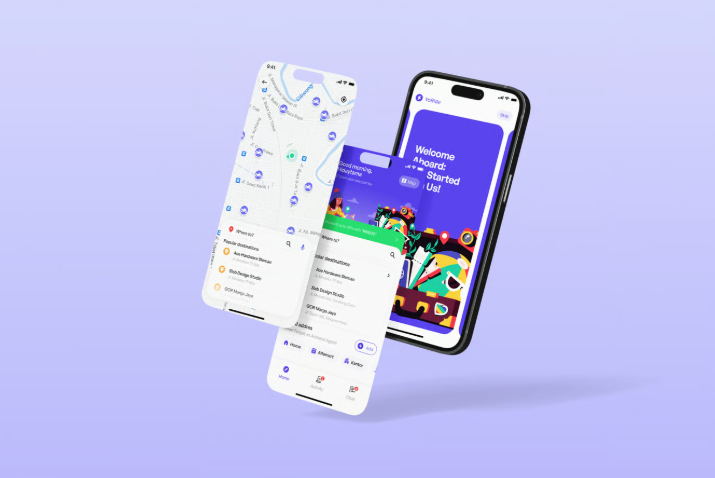
Responsive design ensures your site looks great on any device. With more people using smartphones to browse, a mobile-first approach is essential. It means designing your site for mobile users before adapting it for desktops. This approach improves user experience and can boost your search rankings. A mobile-friendly site is no longer optional; it’s a necessity for reaching and retaining customers.

Core Web Vitals and Page Speed

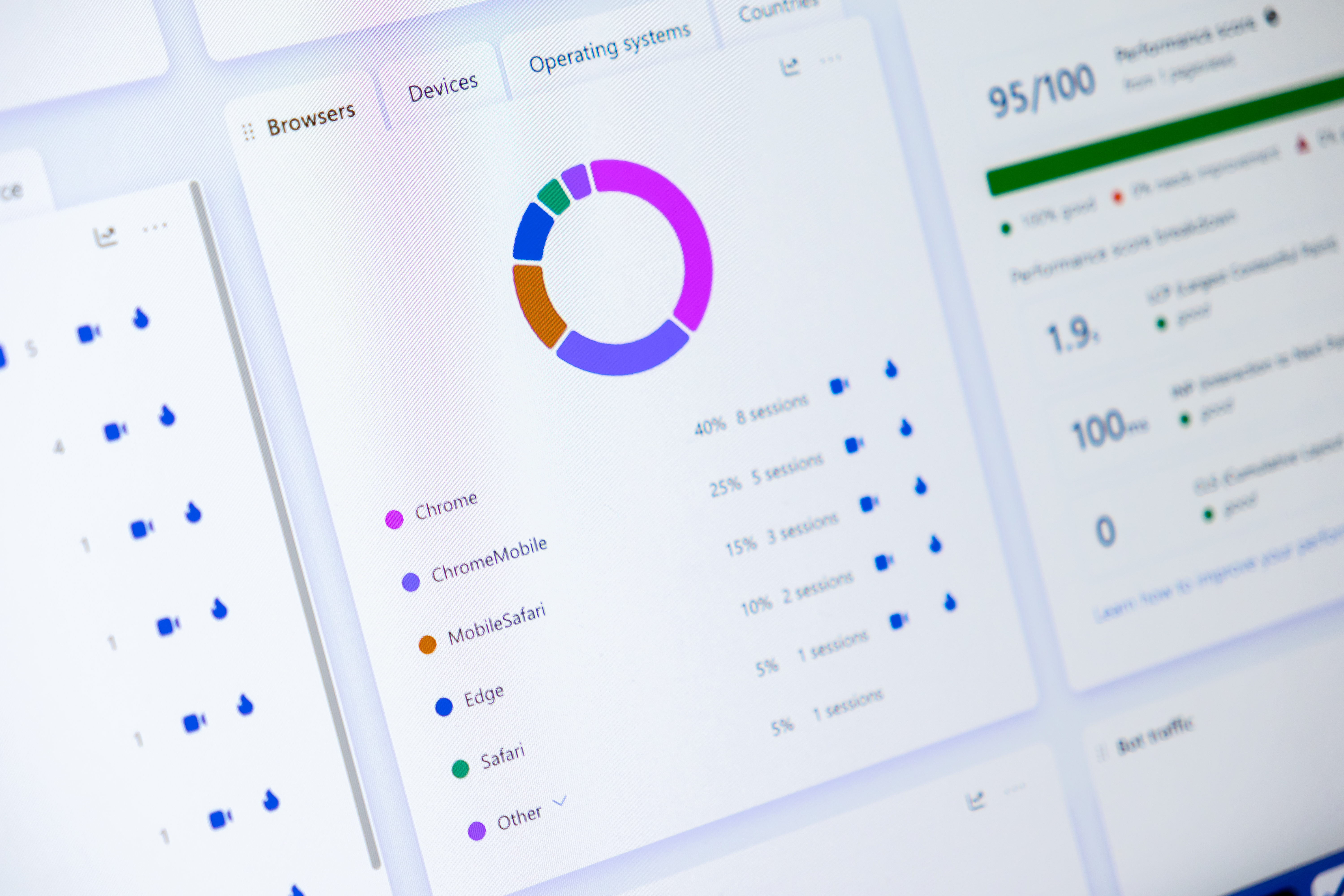
Core Web Vitals are Google’s way of measuring your site’s performance. These metrics, like page load speed and interactivity, impact user experience and search rankings. A fast-loading site keeps users engaged and reduces bounce rates. Regular audits and adjustments can help maintain optimal page speed and performance. Remember, a slow site can deter visitors, costing you potential business.

Measuring Success with Analytics and Tracking

Tracking your website’s performance helps identify strengths and areas for improvement. Tools like Google Analytics 4 provide insights into user behavior, traffic sources, and conversion paths. Heatmaps reveal where users click, and A/B testing shows which changes boost engagement. Regular analysis ensures your strategies are working and highlights new opportunities for growth. Keeping tabs on these metrics allows you to adapt and refine your approach continually.

Frequently Asked Questions

What is local SEO, and why is it important?

Local SEO helps your business appear in search results for local customers. It’s crucial for attracting nearby clients and enhancing visibility in your area.

How can I optimize my Google Business Profile?

Keep your profile updated with accurate details, add photos, and respond to customer reviews. This boosts your visibility and builds trust with potential clients.

Why is responsive design necessary for my website?

Responsive design ensures your website functions well on all devices, improving user experience and search rankings. It’s essential as more users browse on mobile devices.

What are Core Web Vitals?

Core Web Vitals are a set of metrics that measure your site’s loading performance, interactivity, and visual stability. They impact user experience and search rankings.

How do analytics help improve website performance?

Analytics provide insights into user behavior, helping you understand how visitors interact with your site. This data guides adjustments to enhance user experience and conversions.

Let’s take care of your website today

From Click to Tap: Best Practices for App–Website Integration That Builds Customer Loyalty 1024 683 ignacio@mcval.net

From Click to Tap: Best Practices for App–Website Integration That Builds Customer Loyalty

From Click to Tap: Best Practices for App–Website Integration That Builds Customer Loyalty

Your website and mobile app should work together—not compete. When these two channels sync perfectly, your customers stay longer and come back more often. Mobile app integration is the key to crafting an omnichannel experience that turns casual visitors into loyal buyers. In this post, you’ll learn best practices for website and app integration that drive retention and revenue, with insights from SolidifyWeb’s proven approach in Ogden web development.

Building a Unified Customer Experience

Creating a unified customer experience is all about making sure your digital channels work in harmony. This synergy helps you retain users and build loyalty.

Understanding Mobile App Integration

Mobile app integration means connecting your app to other systems, like your website, for a seamless user experience. This connection allows users to switch between platforms without frustration. Imagine a shopper starting an order on your website and finishing it on your app without a hitch. This kind of integration keeps users happy and encourages them to return.

Benefits of Website and App Integration

When your website and app are integrated, you offer more than convenience. You provide a cohesive journey that feels natural. Users can navigate smoothly from browsing products to making purchases. You also gain valuable insights into user behavior by tracking their interactions across platforms. This data helps you improve services and meet user needs effectively.

Creating an Omnichannel Experience

An omnichannel experience ensures users receive the same quality service, no matter where they interact with your brand. Whether they’re on a laptop, tablet, or smartphone, consistency is key. Offering multiple touchpoints that are interconnected makes your brand more accessible and user-friendly. As people interact with your brand seamlessly, they begin to see it as a reliable part of their daily lives.

Strategies for Boosting Loyalty

Effective strategies can transform casual visitors into devoted fans. Here’s how you can enhance loyalty through smart integration.

Developing a Customer Loyalty Strategy

A solid customer loyalty strategy focuses on rewarding users for their engagement. This might include discounts, exclusive content, or special offers. Consider a points system where users earn rewards for actions like purchases or referrals. This approach not only motivates users to engage more but also builds a community around your brand, making customers feel valued and appreciated.

Leveraging Single Sign-On (SSO)

Single Sign-On (SSO) simplifies the user experience by allowing access to multiple platforms with one set of credentials. This convenience reduces friction and encourages more frequent logins. Users appreciate not having to remember multiple passwords, which enhances their satisfaction and loyalty. Plus, SSO ensures security, giving users peace of mind as they interact with your platforms.

Engaging Users with Push Notifications

Push notifications keep your audience connected and informed. These messages can be used to alert users of new products, special discounts, or personalized recommendations. Be mindful of frequency to avoid overwhelming users. The key is to offer value with each notification, ensuring they enhance the user journey rather than disrupt it.

Technical Aspects of Integration

Understanding the technical components of integration is crucial for smooth execution. Let’s explore the building blocks of successful integration.

Exploring API Integration Services

APIs act as bridges, connecting your app with other systems to enable data exchange. With API integration services, you can sync information between your app and website, ensuring users have up-to-date content. This integration also allows you to automate tasks, reducing manual work and increasing efficiency. It’s the backbone of a seamless user experience.

Integrating Headless CMS and CRM

A headless CMS lets you manage content without being tied to a specific platform, while a CRM keeps track of customer interactions. Integrating these systems helps you deliver consistent content across channels and personalize user experiences. You can tailor messages based on user preferences and behaviors, driving engagement and satisfaction.

Enhancing Performance with Analytics and Attribution

Analytics tools provide insights into how users interact with your platforms. By analyzing this data, you can optimize performance and make informed decisions. Attribution models help you understand which channels drive the most conversions, allowing you to allocate resources effectively. This continuous improvement cycle keeps your platforms running smoothly and your users happy.

In conclusion, integrating your website and mobile app not only enhances the user experience but also builds customer loyalty. By implementing these best practices, you position your brand as a reliable and innovative partner in the digital space. The longer you wait to integrate, the more opportunities you miss to engage and retain your audience. It’s time to bring your platforms together and watch your customer base grow.

From Cart to Scale: Building Secure, High-Performance E-commerce Platforms 1024 678 ignacio@mcval.net

From Cart to Scale: Building Secure, High-Performance E-commerce Platforms

From Cart to Scale: Building Secure, High-Performance E-commerce Platforms

You just launched your online store, but slow load times and security worries are driving customers away. Building a scalable e-commerce platform isn’t about adding features—it’s about creating a secure, lightning-fast foundation that grows with your business. In this post, you’ll learn the key steps to secure e-commerce development that keeps your store safe and performing at its best, with insights tailored for Ogden businesses ready to scale. For further reading, check out this article.

Pillars of Secure E-commerce Development

A secure e-commerce platform is crucial for maintaining trust and ensuring smooth operations. Let’s explore the foundational elements that ensure your store remains a fortress and not a target.

Importance of PCI Compliance

Your customers trust you with their credit card information. PCI compliance ensures that you handle their data safely. You need to follow strict guidelines to avoid breaches.

  • Why It Matters: Non-compliance can lead to hefty fines and loss of customer trust.

  • Steps You Can Take: Regularly update your security protocols and conduct thorough audits of your payment systems.

Being compliant not only protects your business but also reassures your customers that their data is in safe hands.

Web Application Security Best Practices

Protecting your web application from threats is not an option—it’s a necessity. Simple steps can significantly improve your security posture.

  • Use HTTPS: Encrypt data in transit to prevent interception.

  • Regular Updates: Keep your software up-to-date to protect against vulnerabilities.

Most people assume their site is secure, but complacency can lead to exposure. Regular checks and balances are essential.

Role-Based Access and Secure Data Flows

Who has access to what? Role-based access controls ensure that only authorized personnel can access sensitive data.

  • Benefit: Minimize the risk of internal threats.

  • Implementation: Define roles clearly and restrict access based on necessity.

By securing data flows, you protect sensitive information from prying eyes and ensure business continuity.

Building a Scalable E-commerce Platform

Scaling your e-commerce platform is about more than just handling more customers. It’s about maintaining performance and reliability as you grow.

Headless Commerce Architecture Benefits

Traditional e-commerce platforms can be limiting. Headless commerce offers flexibility and scalability.

  • Flexibility: Separates the front-end and back-end, allowing for customized user experiences.

  • Scalability: Easily integrate with new technologies without overhauling your system.

This architecture is ideal for businesses looking to innovate and adapt quickly to market changes. Learn more about this approach here.

Cloud Hosting and CDN Strategies

Hosting choices can make or break your e-commerce success. Cloud hosting paired with a CDN can enhance speed and reliability.

  • Cloud Hosting: Offers scalability and flexibility, handling traffic spikes without downtime.

  • CDN: Distributes content globally, reducing load times for international customers.

Using these strategies helps maintain a fast and reliable shopping experience, crucial for keeping customers engaged.

Load Testing for Online Stores

Load testing ensures that your platform can handle the busiest shopping days without breaking a sweat.

  • Why Test?: Identify potential bottlenecks before they affect customers.

  • How Often?: Regularly, especially before peak shopping seasons.

Skipping load testing could mean losing sales when demand is highest. Make it a routine part of your maintenance.

Enhancing Performance and SEO

A fast, optimized site doesn’t just please your customers—it ranks better on search engines, driving more traffic your way.

Core Web Vitals for E-commerce

Google’s Core Web Vitals are critical for SEO and user satisfaction. They focus on loading performance, interactivity, and visual stability.

  • Loading Performance: Aim for a page speed of under 2 seconds.

  • Visual Stability: Ensure images and content don’t shift unexpectedly.

Focus on these metrics to boost both user experience and SEO rankings.

Conversion Rate Optimization Techniques

Turning visitors into customers is your ultimate goal. Optimizing your site for conversions involves several strategies.

  • Simplify Checkout: Reduce the number of steps and forms.

  • A/B Testing: Continuously test elements like buttons and headlines to improve performance.

A small increase in conversion rate can lead to significant sales growth, making these strategies essential.

SEO Services for E-commerce Platforms

SEO isn’t just about keywords; it’s about making your site irresistible to search engines.

  • Local SEO: Target customers in Ogden with location-specific keywords.

  • Technical SEO: Ensure your site is crawlable and fast.

Implementing these services can drastically enhance your online visibility, drawing more customers to your store. For further insights, explore this guide.

By focusing on these pillars, you ensure your e-commerce platform is not only secure and scalable but also optimized for performance and growth. Keep these strategies in mind as you develop or revamp your online store to stay ahead of the competition and meet your business goals.

    Join our Newsletter

    We'll send you newsletters with news, tips & tricks. No spams here.

      Contact Us

      We'll send you newsletters with news, tips & tricks. No spams here.