What Every Service Page Needs to Rank and Convert (Ogden Edition)
Most service pages struggle to do one thing well: rank or convert. Trying to do both often means missing key elements that search engines and visitors demand. Your service page in Ogden needs precise SEO tactics and user-focused design to stand out. In this post, you’ll learn exactly what it takes to build pages that perform—capturing leads while climbing search rankings with smart service page SEO and conversion rate optimization. For more insights, check out this guide on creating service pages that rank and convert.
Essential SEO Elements
Understanding and implementing key SEO elements can make your service page stand out in search results. Let’s dive into what you need.
Keyword Mapping for Local SEO
To rank well in Ogden, your page should target specific local keywords. Start by identifying terms your audience searches for. This could include phrases like “Ogden web development” or “local SEO Ogden.” Use these keywords strategically throughout your content, ensuring they fit naturally. Additionally, include them in headings and image alt texts to boost visibility. A well-mapped keyword strategy aligns your content with search intent, making it easier for potential customers to find you.
Structured Data and Schema Markup
Structured data helps search engines understand your page better. Implementing schema markup can enhance your listings with rich snippets, making them more attractive to users. For instance, local business schema can display your address, phone number, and working hours right in the search results. This not only improves visibility but also builds trust with users. Google provides a starter guide to help you get started with structured data.
Technical SEO Must-Haves
Technical SEO ensures your site is search engine friendly. Focus on optimizing your site’s speed, ensuring mobile compatibility, and maintaining secure connections with SSL. These elements are part of Google’s Core Web Vitals, which impact your ranking. Use tools like Google Search Console to monitor and fix issues such as crawl errors or slow loading pages. A technically sound website enhances user experience and search engine rankings.
Conversion Rate Optimization Tips
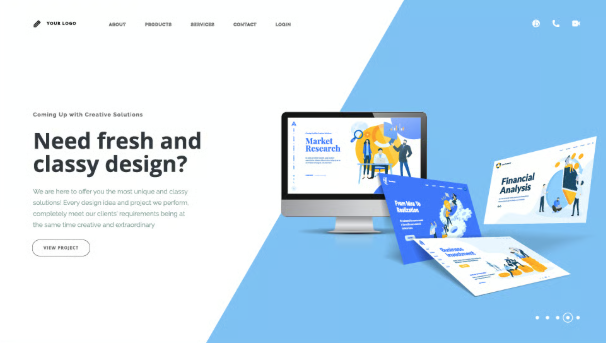
Once you’ve attracted visitors to your page, the next step is converting them. Here are some tactics to boost your conversion rate.
Crafting Persuasive Content
Your content should speak directly to your audience’s needs. Start by addressing common pain points and offering solutions. Use a conversational tone to build trust and encourage action. Break content into short paragraphs for easy reading. Include stats or quotes that validate your claims. The goal is to guide the reader toward a decision confidently, knowing they’re in competent hands.
Designing Effective CTAs
A strong call-to-action (CTA) can significantly impact conversions. Design CTAs that are clear and compelling. Use action-oriented words like “Get Started” or “Schedule a Consultation.” Place them strategically on your page, such as after presenting a solution or benefit. A sticky CTA that follows the user as they scroll can increase visibility and engagement.
A/B Testing and Heatmaps
Testing different elements of your page helps optimize performance. Use A/B testing to compare versions of your CTAs or headlines. Heatmaps can show where users click or how far they scroll, revealing areas that need improvement. Regularly testing and analyzing results can lead to insights that drive higher conversions. Tools like Google Analytics 4 provide valuable data for these tests.
User Experience Best Practices
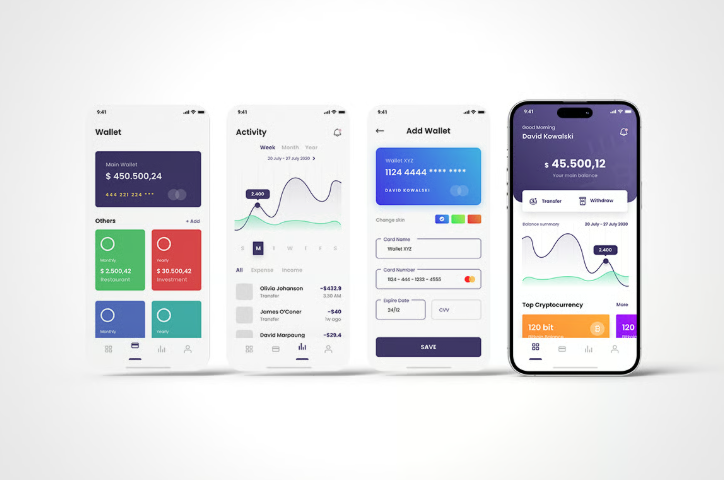
A seamless user experience keeps visitors on your page longer and encourages them to return.
Mobile-First and Page Speed
Most users access websites via mobile devices. Ensure your service page is responsive, adapting to different screen sizes without sacrificing functionality. Optimize images and use efficient coding to decrease load times. Faster pages improve user satisfaction and ranking potential, as speed is a Google ranking factor.
Accessibility and Trust Signals
Your website should be accessible to everyone, including users with disabilities. Follow WCAG guidelines for accessibility, such as using alt text for images and ensuring keyboard navigation. Trust signals, like client testimonials or industry certifications, can further build credibility. These elements assure visitors of your reliability and professionalism.
Engaging with Testimonials and Case Studies
Real-life success stories can persuade potential clients to choose your services. Showcase testimonials that highlight positive customer experiences. Case studies provide detailed insights into how your services have solved problems or achieved results. This type of social proof can significantly influence decision-making, offering reassurance that your business delivers on its promises.
By implementing these SEO and CRO strategies, your service page can effectively rank and convert, driving growth and success for your business in Ogden.
Let’s take care of your website today