Rank and Convert: The Service Page Blueprint That Wins Search and Sales
Most service pages either rank on Google or convert visitors—but rarely both. That split means missed leads and wasted traffic. Your service page SEO needs to pull double duty: climbing search results while turning clicks into customers. In this post, you’ll find the blueprint to rank and convert, backed by SolidifyWeb’s proven approach to high-performance web development and CRO for service pages.
Building the Perfect Service Page
Creating a service page that ranks high and converts well is no small feat. But when done right, it can become a powerful tool for your business. Let’s break down the components that make this possible.
Key Elements of Service Page SEO
To start, your service page needs to attract search engines. This begins with targeted keywords. An effective strategy involves using terms your audience searches for, like “service page SEO” or “Ogden web development.” A good rule of thumb is to use the primary keyword naturally in your content. For instance, 75% of users never scroll past the first page of search results. This shows how crucial it is to rank well.
In addition, your meta descriptions, headers, and alt tags should all include these keywords. This helps search engines understand what your page is about. For more tips, check out this guide on SEO basics.
Conversion-Focused Design Strategies
Now that you’ve drawn in visitors, it’s time to keep them engaged. A clean, user-friendly design is vital. Start by ensuring easy navigation. Your visitors should find what they need without effort.
Next, use compelling calls to action (CTAs). These guide users to take the next step, whether it’s contacting you or making a purchase. Our experience shows that clear, direct CTAs can boost conversions by up to 30%.
Finally, invest in high-quality visuals. Images and videos should support your message and not slow down your site. Faster loading times improve user experience, leading to higher conversion rates.
Enhancing User Experience and Engagement
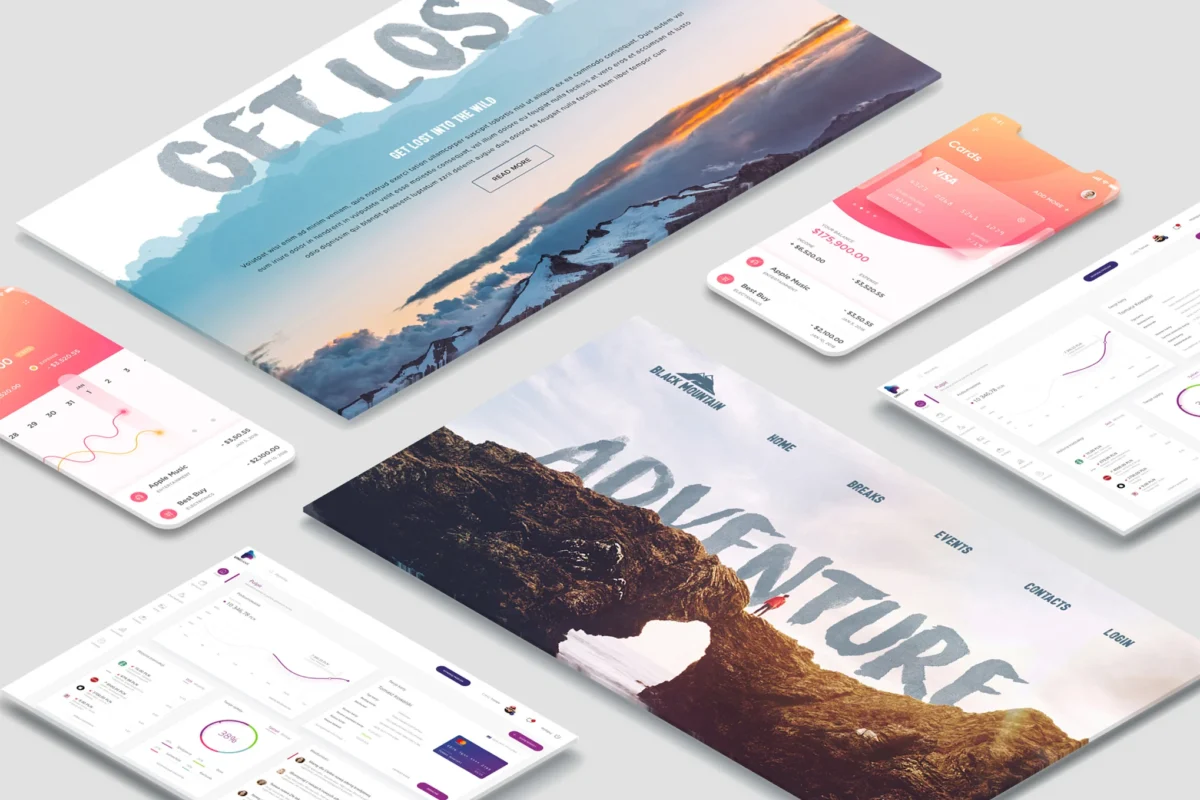
A successful service page also considers the user’s journey. Let’s explore how to make it more engaging and user-friendly.
Mobile-First Design Principles
With more than 50% of web traffic coming from mobile devices, designing for mobile first is essential. Your site must look and function well on any screen size. Start by simplifying your design. Remove clutter and keep important information at the top.
Test your site on various devices to ensure it’s responsive. Tools like Google’s Mobile-Friendly Test can help. Remember, a smooth mobile experience can significantly impact your conversion rates.
Conversion-Focused Copy and Trust Signals
Words matter. Your service page copy should be clear and persuasive. Speak directly to your audience’s needs and pain points. Use simple language that resonates with them. For example, instead of saying “improve efficiency,” try “get more done in less time.”
Trust signals, such as testimonials and case studies, are also crucial. They reassure visitors of your credibility. Did you know that 84% of people trust online reviews as much as personal recommendations? Highlighting positive feedback can tip the scales in your favor.
Technical SEO and Performance
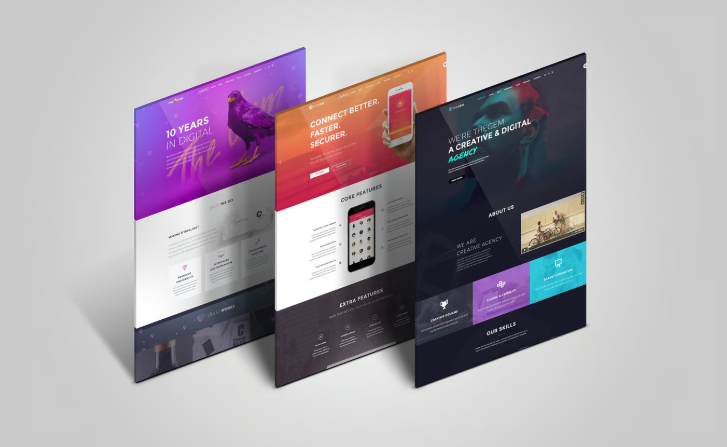
For a service page to excel, its technical foundation must be strong. Here’s how to ensure peak performance.
Page Speed Optimization Techniques
Site speed is a key factor in SEO and user experience. A one-second delay in page load time could lead to a 7% reduction in conversions. Start by compressing images and using browser caching. These steps can drastically reduce load times.
Another method is to minimize your CSS and JavaScript files. This makes your site lighter and faster. For a deeper dive into page speed, check out this SEO resource.
Internal Linking Strategy and Schema Markup
Internal links help search engines navigate your site and understand its structure. They also keep visitors on your site longer by guiding them to related content. Use descriptive anchor text for your links to improve SEO and user experience.
Additionally, implement schema markup. This code helps search engines return more informative results to users. It can improve your search presence by providing extra details, like business hours and reviews. For a comprehensive guide, see this SEO starter tutorial.
In conclusion, a service page that ranks and converts requires a blend of smart SEO, engaging design, and solid technical performance. By implementing these strategies, your page can become a powerful asset for your business.
Let’s take care of your website today