Posts Tagged :

mobile-first responsive design

The High-Performance Homepage: Built for SEO, Designed to Convert 716 451 ignacio@mcval.net

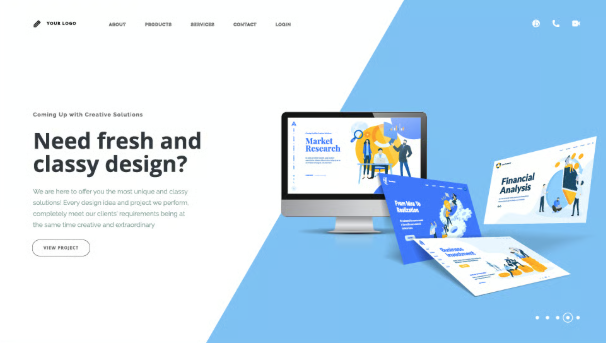
The High-Performance Homepage: Built for SEO, Designed to Convert

Most homepages look good but fall short where it counts: ranking on Google and turning visitors into customers. Your homepage must follow homepage SEO best practices and conversion rate optimization to pull that off. This post breaks down the core elements every homepage needs to rank well and convert better, from Core Web Vitals to clear calls to action. Keep reading to learn how to build a homepage that works as hard as you do.

Essential Homepage Elements for SEO

To rank high and draw customers, a homepage needs precise elements. These elements create a foundation for effective SEO strategies. Let’s look into the essentials.

Homepage SEO Best Practices

Your homepage is the gateway to your business. It needs to be optimized to grab attention and rank on search engines. Start with clear and concise content. Keywords should flow naturally, making your message clear to both visitors and search engines. Don’t overstuff keywords; instead, integrate them seamlessly. Use headings and subheadings to break up text and highlight key points. This helps in elevating your content hierarchy and user experience.

Focus on schema markup to help search engines understand your content better. This structured data can enhance your visibility in search results. Also, ensure that your site is secure. HTTPS isn’t just a ranking factor; it builds trust with your audience. Remember, a well-optimized homepage sets the tone for the rest of your site. For more insights, check out this article on homepage elements.

Technical SEO Audit Insights

Performing a technical SEO audit is vital for identifying issues that may hinder your website’s performance. Start by checking your site’s load speed. A fast-loading site keeps visitors engaged. Tools like Google PageSpeed Insights can offer valuable data. Look out for broken links and fix them promptly. They disrupt user experience and can negatively impact your ranking.

Ensure your website’s architecture supports easy navigation. A well-structured site helps both users and search engines find relevant information quickly. Also, verify that your site works well on all browsers and devices. A responsive design ensures that your homepage looks good everywhere. Regular audits can prevent technical issues from affecting your search engine ranking.

Mobile-First Responsive Design Tips

With most web traffic coming from mobile devices, a mobile-first design is crucial. Make sure your homepage is easy to use on smaller screens. This begins with a simple, clean layout. Avoid clutter; keep essential information front and center.

Use large, readable fonts and buttons that are easy to tap. Your navigation should be straightforward, helping users find what they need without hassle. Also, test your site on various devices to ensure consistent performance. A responsive design not only improves user experience but also supports better SEO results.

Crafting a Conversion-Focused Homepage

Once your homepage is optimized for SEO, it’s time to focus on conversions. A conversion-focused design engages visitors and encourages them to take action. Here’s how to achieve that.

Clear Calls to Action and Trust Signals

A well-designed homepage guides visitors toward a desired action. Your calls to action (CTAs) should be bold and clear. Use action-oriented language that tells the visitor exactly what to do. Place CTAs strategically; they should be easy to find without being overwhelming.

Incorporating trust signals like testimonials and reviews can enhance credibility. Most people trust peer reviews over direct marketing. Displaying these on your homepage reassures potential customers about your reliability. Social proof can tip the scale in your favor.

Hero Section Optimization Strategies

The hero section is the first thing visitors see. It needs to make an impact. Use high-quality images or videos that represent your brand. The message here should be concise and compelling, highlighting the key benefits of your offering.

Your hero section should also include a primary CTA. This encourages immediate action and sets the tone for the visitor’s journey on your site. Regular testing and updates in this section can continually improve engagement and conversions. For more details, explore hero section optimization tips.

Conversion Rate Optimization Techniques

To boost conversions, focus on conversion rate optimization (CRO) techniques. Start by analyzing user behavior with tools like heatmaps to see where visitors engage most. This data helps in refining your layout and content placement.

A/B testing different versions of your homepage can provide insights into what works best. Test elements like headlines, images, and CTAs. Small changes can lead to significant improvements in conversion rates. Consistently apply these techniques to keep your homepage performing at its best.

Local SEO and Performance Enhancements

Enhancing your homepage doesn’t stop at global SEO. Local SEO and performance improvements are equally essential. Let’s explore how these elements contribute to your homepage’s success.

Local SEO for Ogden Businesses

For businesses in Ogden, local SEO can drive more traffic from your target area. Start by claiming and optimizing your Google Business Profile. This boosts your visibility in local searches and maps. Encourage satisfied customers to leave reviews. These enhance your profile’s credibility and attract more local traffic.

Use local keywords naturally in your content. This includes not just the homepage, but also other critical pages of your site. Local SEO is about connecting with nearby customers and turning them into loyal patrons.

Page Speed Optimization and Core Web Vitals

Page speed optimization is crucial for both user experience and ranking. A slow site can deter visitors, increasing bounce rates. Use tools to identify and fix issues like large images or unnecessary scripts that slow down your site.

Core Web Vitals are key metrics for page performance, focusing on user experience. These include loading, interactivity, and visual stability. Ensuring these vitals are optimized can enhance both SEO and user satisfaction. For a deeper dive into these aspects, read this post on high-converting websites.

Integrating Google Business Profile and Internal Linking Strategy

Integrating a Google Business Profile with your website enhances visibility. It connects your online presence with local search, offering potential customers more ways to reach you. Ensure your profile is complete and regularly updated.

An effective internal linking strategy improves navigation and helps distribute page authority throughout your site. Use descriptive anchor text and link to relevant content. This not only aids in SEO but also enhances user experience by providing easy access to more information.

In conclusion, building a high-performance homepage requires a harmonious blend of SEO and conversion-focused elements. By implementing these strategies, you can create a site that not only ranks well but also converts visitors into customers. Let SolidifyWeb be your partner in this journey, crafting a homepage that truly works for you.

Let’s take care of your website today
How to Plan a Custom Website That Fuels Long-Term Business Growth 1024 683 ignacio@mcval.net

How to Plan a Custom Website That Fuels Long-Term Business Growth

How to Plan a Custom Website That Fuels Long-Term Business Growth

Most businesses launch a website without a clear plan for growth. That’s why many sites stall after the first few months, failing to boost traffic or sales. You can avoid that trap by focusing on website planning for growth—building scalable website architecture that supports your business goals over time. This approach sets the stage for strong SEO, better conversion rates, and future-ready features that keep your site competitive.

Building a Scalable Website

Creating a powerful website starts with a plan focused on growth. This sets the foundation for everything else.

Crafting a Growth-Oriented Plan

A great plan ensures your website can grow with your business. It starts with knowing your goals: Are you aiming to increase sales, improve brand awareness, or both? Once clear, map out your site’s structure to support these goals. Think of it as setting a solid foundation. It’s crucial to envision not just today’s needs but tomorrow’s too. This might include features like e-commerce capabilities or interactive elements that engage users. By planning ahead, you’re not just creating a site; you’re building a platform for success. For more insights, consider reading this guide on creating websites that grow with your business.

Key Features for Long-Term Success

Choosing the right features is vital. Think beyond basic requirements. What tools will empower your users? A site that offers personalized content can engage visitors more effectively. Also, consider integrating analytics. This helps you understand visitor behavior and refine your strategy. Don’t forget about mobile performance: As more people browse on phones, a mobile-first approach is essential. In Ogden, Utah, many businesses have seen success by adopting these strategies. Remember, a well-thought-out website is a key driver of growth.

Choosing the Right CMS

Your content management system (CMS) is the backbone of your site. It should be easy to use and scalable. WordPress, Webflow, and headless CMS options each have unique benefits. WordPress offers flexibility with a vast plugin library. Webflow provides design freedom, perfect for custom visual needs. Headless CMS, on the other hand, separates backend content from frontend, offering speed and flexibility. Evaluate what aligns best with your business goals. A good CMS not only supports current needs but also adapts as you grow.

Enhancing SEO and Performance

Once your website is built, boosting its visibility and performance is the next step. This ensures your audience can easily find and enjoy your content.

Technical SEO Services Utah

Technical SEO is about ensuring your site is search-engine friendly. This involves optimizing site speed, ensuring mobile compatibility, and structuring data correctly. In Utah, businesses often leverage these services to gain a competitive edge. A well-optimized site not only ranks higher on search engines but also provides a better user experience. Think of it as setting the stage for all your online efforts. If you’re curious about more strategies, Optimizely’s blog on website strategy can provide valuable insights.

Core Web Vitals Optimization Tips

Google’s Core Web Vitals are crucial for site performance. They focus on metrics like loading speed, interactivity, and visual stability. To improve these, start by analyzing your site’s current performance using tools like Google PageSpeed Insights. Next, simplify your design: The fewer the elements, the faster the load time. Finally, ensure images are optimized—use the correct format and compress them without losing quality. Implementing these tips can significantly enhance user experience and SEO performance.

Local SEO Strategies for Ogden

If you’re a local business in Ogden, tapping into local SEO can drive more foot traffic and online engagement. Start by optimizing your Google Business Profile: Update business hours, address, and encourage customer reviews. Local keywords are also vital. For example, instead of “web development,” use “custom web development Ogden.” These strategies not only improve search visibility but also connect you to your community. By focusing on local SEO, you ensure your business stands out in the local market.

Ongoing Maintenance and Security

A website is not a one-time project. Regular maintenance ensures it remains effective and secure.

Importance of a Website Maintenance Plan

Maintaining your website is like regular car servicing. It ensures everything runs smoothly. Regular updates prevent security vulnerabilities and keep your site current. An effective plan includes software updates, content refreshes, and regular backups. This ensures your site always functions at its best. Without maintenance, your website could become slow, outdated, or even compromised. A maintenance plan is an investment in your site’s longevity and effectiveness.

Ensuring Secure Hosting and DevOps

Secure hosting is the bedrock of a reliable website. It protects your data and ensures site availability. Choose a provider that offers robust security features like SSL certificates and regular backups. Pair this with a solid DevOps strategy. This involves continuous integration and deployment, ensuring updates are seamless and efficient. Secure hosting paired with effective DevOps practices guarantees your site remains safe and performs optimally.

Future-Proofing with Analytics and CRO

To keep your website thriving, leverage analytics and conversion rate optimization (CRO). Analytics provide insights into user behavior: Which pages do they visit? What content do they engage with? Use this data to refine your strategy. CRO focuses on turning visitors into customers, optimizing elements like calls-to-action or landing pages. By doing this, you ensure that your website not only attracts visitors but also converts them, driving long-term growth.

In conclusion, a well-planned, maintained, and optimized website is pivotal for business success. It not only supports your current objectives but also adapts to future needs, ensuring ongoing growth and engagement.

Let’s take care of your website today

    Join our Newsletter

    We'll send you newsletters with news, tips & tricks. No spams here.

      Contact Us

      We'll send you newsletters with news, tips & tricks. No spams here.