Posts Tagged :

mobile-first indexing

SEO Starts with Structure: How Website Architecture Wins Before Content Is Written 1024 683 ignacio@mcval.net

SEO Starts with Structure: How Website Architecture Wins Before Content Is Written

Most websites struggle to rank before they even publish content. That’s because SEO starts with your site structure, not just words on a page. Smart website architecture sets the foundation for search engines to find and favor your pages using clear URL taxonomy, logical internal linking, and well-planned crawl depth. Keep reading to learn how SolidifyWeb builds SEO architecture that powers organic growth before your first sentence is written. For more insights, explore this resource.

Mastering Website Architecture

A well-planned website structure guides search engines and users through your content effortlessly. It creates a solid base that supports SEO efforts from the ground up. Let’s explore how this works and why it matters for your SEO success.

Importance of Site Structure

Site structure is the backbone of your digital presence. It shapes how search engines and visitors interact with your site. A logical layout enhances user experience by making navigation intuitive. Think of site structure as the map that guides your visitors directly to what they need, minimizing the chances of them leaving prematurely.

Efficient site structure supports indexing, ensuring search engines understand your content’s hierarchy. This clarity boosts your ranking potential. A well-organized site is like a well-organized library; everything has its place, making retrieval quick and easy. If you’re interested in learning more, check out this article.

Key SEO Architecture Elements

To optimize your website’s architecture, focus on key elements like URL structure, internal linking, and crawl depth. A clear URL structure aids in understanding page relationships. Internal linking connects content, distributing page authority across your site and helping search engines follow the path of your content.

Crawl depth refers to how deep search engines can go from the homepage to reach other pages. Keeping essential content within three clicks from the homepage is ideal. This ensures that search engines don’t miss important pages, bolstering your site’s visibility.

Information Architecture Essentials

Information architecture organizes content logically, ensuring users find what they need quickly. This involves categorizing content into a hierarchy that makes sense both to humans and search engines. A well-structured site simplifies content updates, allowing for seamless growth.

Effective information architecture can improve user satisfaction and retention, and it is crucial for SEO. By maintaining a clear structure, you help search engines understand your content better. This clarity can lead to higher rankings and increased traffic. For more insights, see this in-depth discussion.

Building a Strong Foundation

A robust foundation ensures your site performs well from the start. It involves best practices in URL taxonomy, internal linking, and managing crawl budget. These elements work together to enhance your site’s SEO potential.

URL Taxonomy Best Practices

URL taxonomy refers to the way URLs are organized on your site. A clear and consistent URL structure helps users and search engines understand your site’s organization. It is essential to use descriptive and meaningful keywords in your URLs. This not only aids in SEO but also improves user trust and click-through rates.

Avoid complex URLs filled with unnecessary parameters. A clean URL structure is like a clear street sign, pointing the way to your destination. It makes navigation straightforward and enhances the overall user experience.

Navigating Internal Linking Strategies

Internal linking creates pathways that guide users and search engines through your site. By linking related content, you retain visitors longer and enhance discoverability. This practice distributes page authority, boosting SEO.

When planning your strategy, focus on linking to relevant content naturally. Overloading pages with links can confuse users and dilute the authority passed through links. Think of internal linking as a conversation, where each link adds value to the dialogue.

Managing Crawl Budget and Depth

Crawl budget is the number of pages search engines crawl on your site in a given time. Efficiently managing this budget ensures essential pages are indexed. Limit crawl depth to make important content easily accessible from the homepage.

By optimizing crawl paths and minimizing unnecessary pages, you increase the likelihood of search engines finding and ranking your important content. Effective crawl budget management maximizes your site’s visibility and performance.

Technical Controls and Enhancements

Enhancing your site’s technical aspects gives you an edge in SEO. Technical controls like indexation management, structured data, and mobile optimization are key to unlocking your site’s full potential.

Effective Use of Indexation Management

Indexation management involves controlling which pages search engines index, using tools like robots.txt and canonical tags. By dictating what gets indexed, you ensure search engines focus on valuable content. This strategy prevents duplicate content issues, strengthening your site’s authority.

Utilize canonical tags to guide search engines toward the preferred version of a page. A well-managed indexation process is foundational for a healthy SEO strategy, allowing search engines to present the best version of your content to users.

Structured Data and Schema Markup

Structured data provides context to search engines, enhancing how your content is displayed in search results. Implementing schema markup can improve your site’s visibility through rich snippets, which can increase click-through rates.

By adding structured data, you help search engines understand your content better, making it more likely to be displayed prominently. This enhancement is vital for standing out in competitive search environments.

Optimizing for Core Web Vitals and Mobile Indexing

Core Web Vitals are Google’s metrics for page speed and user experience. Optimizing these metrics improves site performance and user satisfaction. Ensure your site is mobile-friendly, as Google prioritizes mobile-first indexing.

Improving rendering performance and page speed is crucial for maintaining user engagement. A fast, responsive site keeps visitors returning, boosting your SEO efforts. The longer you wait to optimize, the more potential customers you could lose.

In conclusion, structuring your website with a focus on SEO lays the groundwork for success before content is even written. This approach ensures that your digital presence is strong, scalable, and ready to support your business goals. Partnering with SolidifyWeb can provide you with the expertise needed to implement these strategies effectively.

Let’s take care of your website today
Technical SEO Starts at the Whiteboard: Why Early Dev Decisions Define Your Rankings 555 472 ignacio@mcval.net

Technical SEO Starts at the Whiteboard: Why Early Dev Decisions Define Your Rankings

Your website’s SEO ranking is shaped long before the first line of code appears. Early decisions about site architecture, rendering strategy, and CMS selection set the foundation for technical SEO success. At SolidifyWeb, we combine expert Ogden web development with SEO best practices from day one to build sites that perform well in search and scale with your business. Keep reading to learn how these early moves protect your rankings and streamline your build. For more insights, check out this article.

Early Development Decisions Impact SEO

The choices you make at the start of your web development journey can have long-lasting effects. Let’s explore some key areas where early decisions can shape your site’s search engine success.

Site Architecture and URL Structure

Getting your site’s blueprint right is crucial. A clear and organized site architecture helps search engines understand your content. Begin with a hierarchy that makes sense for users and search engines alike. Use simple URLs that reflect the structure of your site. For example, a URL like “yourwebsite.com/blog/seo-tips” is easy to understand and navigate.

A well-planned architecture supports better navigation. This means visitors can find what they’re looking for quickly, improving their overall impression of your site. As a bonus, search engines reward user-friendly sites, boosting your visibility.

Rendering Strategy Choices

Deciding on a rendering strategy early is vital. It impacts how search engines and users see your content. Options like server-side rendering and static site generation each have their strengths. Server-side rendering renders pages on the server, delivering them fully formed to users. This can enhance load times and improve user experience, crucial factors for SEO.

Meanwhile, static site generation pre-builds pages at deployment, offering lightning-fast delivery to users. Both strategies have their place, and choosing the right one depends on your site’s needs. For more information on rendering strategies, visit this insightful article.

CMS Selection and Scalability

Your content management system (CMS) is the backbone of your site. Pick one that supports scalability and SEO-friendly practices. Platforms like WordPress offer flexibility and a range of plug-ins to boost your site’s SEO capabilities. Consider future growth when choosing a CMS. As your site grows, you want a system that can handle increased traffic and content.

A CMS with built-in SEO tools can streamline your optimization efforts, saving time and resources. Additionally, a scalable CMS can adapt to new technologies, ensuring your site remains relevant.

Technical Foundations for SEO Success

After setting the stage with early decisions, it’s time to build on a solid technical foundation. These elements are vital for ongoing SEO success.

Core Web Vitals and Page Speed

Core Web Vitals are crucial metrics for assessing your site’s performance. They measure how users experience the speed, responsiveness, and visual stability of your pages. Focus on page speed optimization to improve these metrics. A fast site keeps visitors engaged, reducing bounce rates and improving your SEO ranking.

Tools like Google PageSpeed Insights offer valuable insights into your site’s performance. Regularly monitoring and optimizing these metrics ensures your site provides a smooth user experience.

Schema Markup and Structured Data

Implementing schema markup helps search engines better understand your content. This structured data enables rich search results, improving visibility and click-through rates. Use schema to highlight critical information like reviews, events, and products. This enhances your site’s appearance in search results, drawing more attention from potential visitors.

The use of schema markup can set your site apart from competitors, driving more traffic and conversions. For an in-depth look at technical SEO priorities, refer to this resource.

Mobile-First Indexing and Crawl Budget

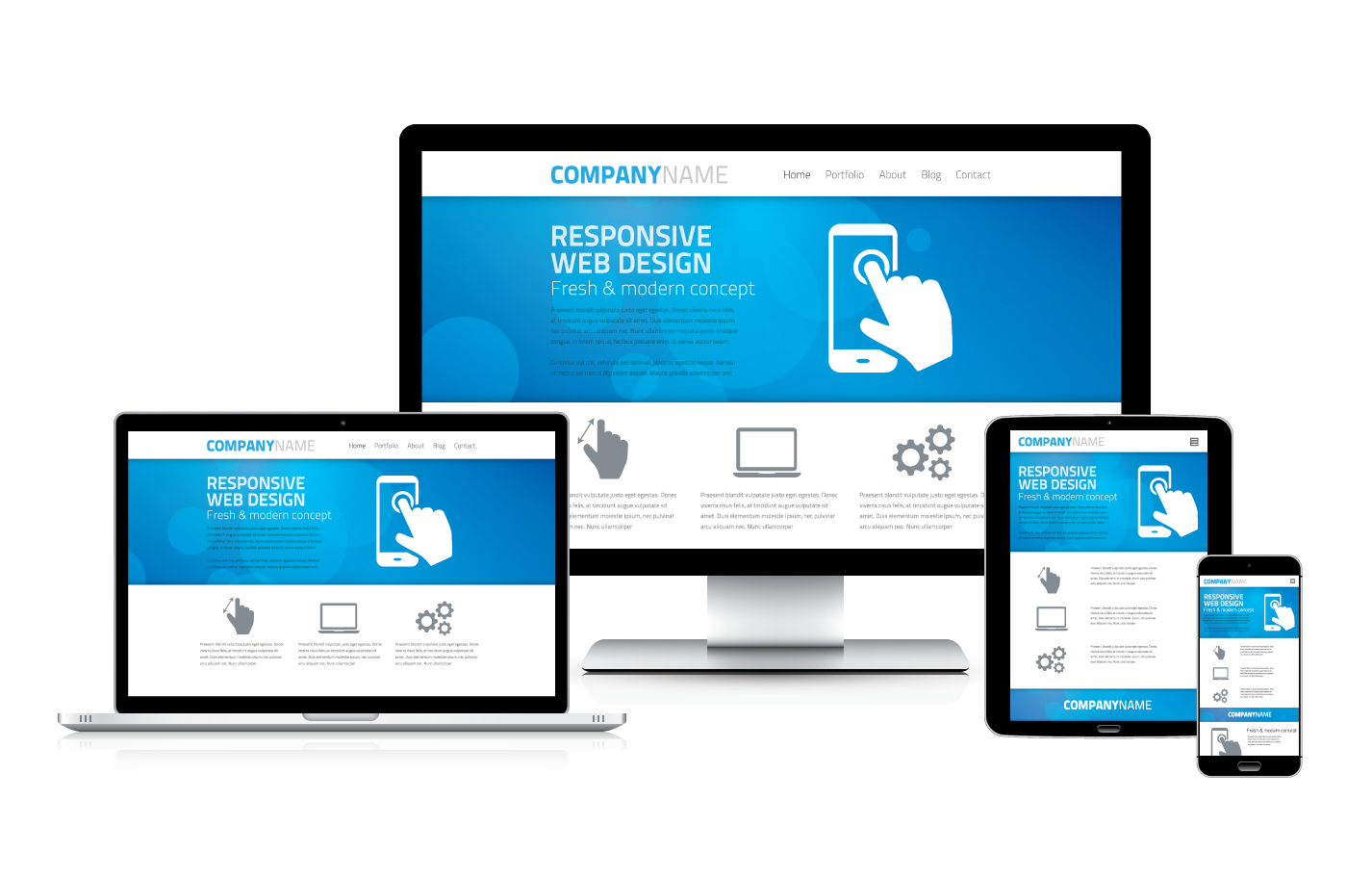
With mobile devices driving more traffic, mobile-first indexing is essential. Ensure your site is fully responsive, providing a seamless experience across all devices. This approach optimizes your site for Google’s mobile-first indexing, boosting your search rankings.

Managing your crawl budget is equally important. This is the number of pages Google crawls on your site within a specific timeframe. Prioritize high-quality content and remove unnecessary pages to make the most of your crawl budget. By optimizing for mobile and managing crawl efficiently, your site can attract more visitors and achieve better rankings.

Partnering with SolidifyWeb

To achieve SEO success, partner with experts who understand the intricate relationship between development and optimization.

Customized SEO-Friendly Web Development

At SolidifyWeb, we tailor each project to meet your unique needs. Our approach combines cutting-edge development with a focus on SEO-friendly practices. We build sites that are not only visually appealing but also optimized for search engines.

Our team ensures every aspect of your site contributes to a strong online presence, from architecture to page speed. By choosing SolidifyWeb, you gain a partner committed to your success.

Ogden Web Development and SEO Services

Based in Ogden, Utah, we offer comprehensive services that cover all aspects of web development and SEO. Whether you’re a local business looking to enhance your online presence or an enterprise seeking scalable solutions, we have the expertise to help.

Our dedication to quality and innovation sets us apart from the competition. By working with SolidifyWeb, you benefit from a team that prioritizes your growth and success.

Schedule Your Dev + SEO Alignment Call

Ready to take your website to the next level? Schedule a call with us today. We’ll discuss your goals and how we can align your development and SEO strategies for maximum impact. Don’t wait—the longer you delay, the more opportunities you miss to connect with potential customers.

Partner with SolidifyWeb and experience the difference a dedicated digital ally can make. Together, we’ll build a site that not only meets your needs but exceeds your expectations.

Let’s take care of your website today
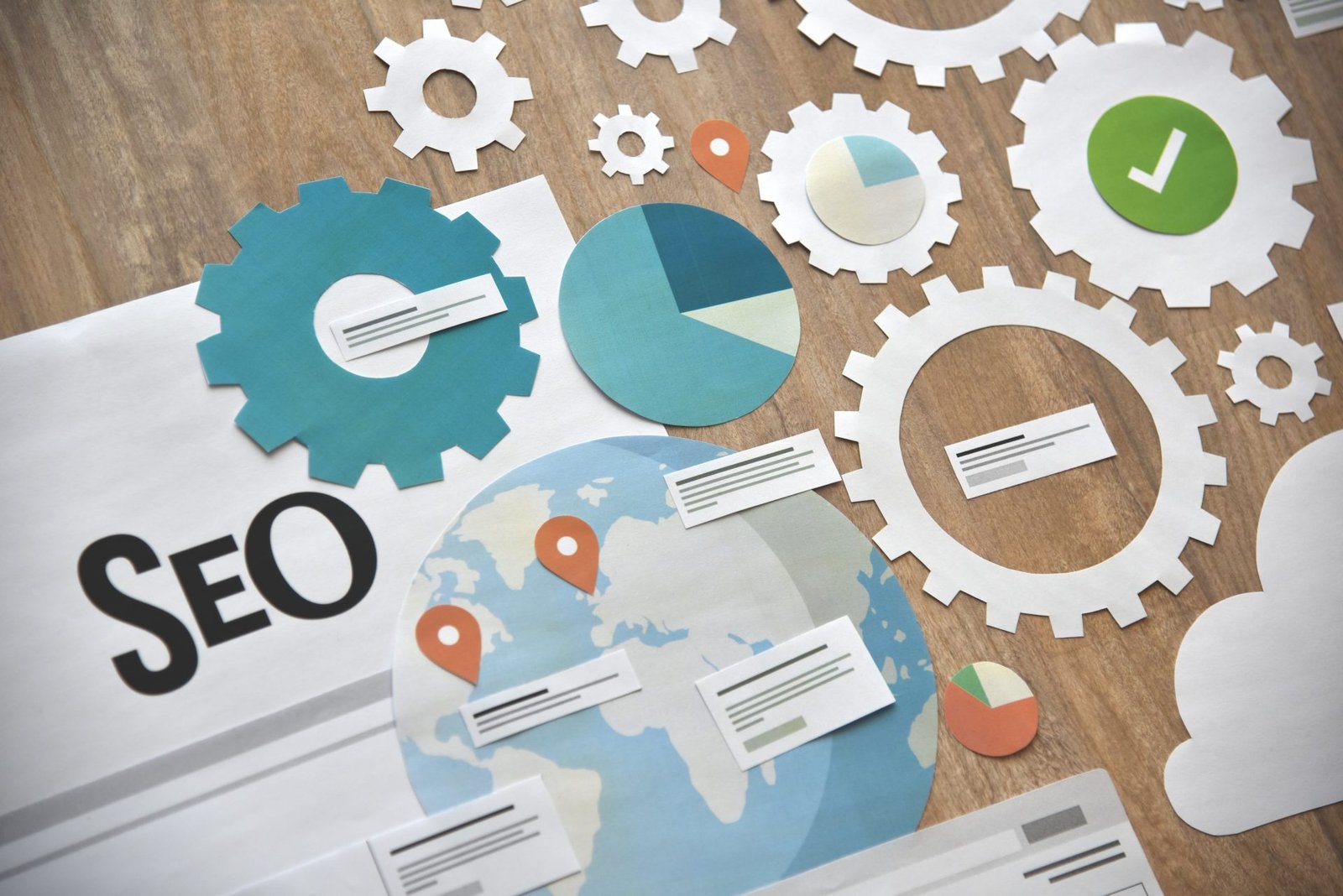
10 Common Website Issues That Kill Trust and Tank Your Rankings (And How to Fix Them) 683 1024 ignacio@mcval.net

10 Common Website Issues That Kill Trust and Tank Your Rankings (And How to Fix Them)

Many websites lose visitors because they overlook basic signals that build trust and boost rankings. Broken links, slow load times, and outdated security settings quietly push potential customers away. This post breaks down 10 common website issues that hurt your credibility and search performance—and shows quick fixes to turn things around. Ready to improve your site’s trust signals and climb the ranks? Let’s get started. Check out this link for more insights on common website errors to avoid: Common Website Errors to Avoid.

Boosting Website Trust

Building trust with your website visitors is crucial. Trust signals, like security and user experience, play a big role. Let’s dive into how you can enhance these elements.

Understanding Website Trust Signals

Trust signals are elements that reassure visitors your site is reliable. These include clear contact information, customer reviews, and secure connections. Without these, users may doubt your credibility. Imagine visiting a site with no contact details or reviews. Would you feel confident making a purchase? Probably not. Ensure your site provides all necessary information to make users feel secure.

Fixing HTTPS and Security Issues

HTTPS is not just a nice-to-have; it’s essential. It encrypts data between your site and visitors, protecting sensitive information. If your site doesn’t have HTTPS, users might see a “Not Secure” message. This can scare them away. Fixing this is simple: acquire an SSL certificate and install it on your server. This small step boosts trust and can improve your search rankings. For more tips on avoiding SEO pitfalls, visit this guide.

Improving User Experience with WCAG

User experience is tied closely to accessibility. The Web Content Accessibility Guidelines (WCAG) help ensure your site is usable for everyone, including those with disabilities. Simple changes, like adding alt text to images, can make a big difference. It’s not just about compliance; it’s about making your site welcoming to all. Most people overlook this, but enhancing accessibility can also improve your site’s search engine performance.

Key Technical SEO Issues

Next, we explore technical SEO issues. These impact how search engines see your site. Fixing them can boost your visibility and traffic.

Conducting a Technical SEO Audit

A technical SEO audit uncovers hidden issues that can affect your site’s performance. This process involves checking for errors like broken links, missing meta tags, and duplicate content. Regular audits ensure your site remains optimized. They might sound daunting, but tools like Google Search Console make it easier. By addressing these issues, you help search engines understand your site better, improving your rankings.

Site Speed and Core Web Vitals

Site speed is crucial for user satisfaction and SEO. Core Web Vitals are metrics that measure your site’s loading performance, interactivity, and visual stability. A slow site can frustrate users, leading them to leave. To improve speed, consider optimizing images, enabling browser caching, and reducing server response times. Fast-loading sites not only rank better but also keep visitors engaged longer.

Managing Crawl Budget and XML Sitemap

Search engines have a crawl budget: the number of pages they crawl on your site. An XML sitemap helps direct this process, ensuring important pages are indexed. Without it, search engines might miss key pages, affecting your rankings. Managing your crawl budget efficiently means prioritizing high-value pages and using tools like robots.txt to guide crawlers. This optimization ensures search engines focus on your most important content.

Content and Structural Problems

Content and structure are key to a strong website. Let’s explore common problems and how to fix them.

Addressing Duplicate and Thin Content

Duplicate and thin content can hurt your SEO. Search engines prefer unique, valuable content. Duplicate content issues arise when similar content appears on multiple URLs. Thin content offers little value to visitors. Solve these issues by consolidating similar pages and enhancing content quality. Regularly update your site with fresh, informative content to keep users and search engines interested.

Fixing Broken Links and 404 Errors

Broken links and 404 errors frustrate users. They also send negative signals to search engines. Regularly check for broken links and fix them to maintain a smooth user experience. Tools like Screaming Frog can help identify these issues. By addressing them promptly, you keep users on your site and ensure search engines can crawl your pages effectively. For additional insights, check out this website maintenance guide.

Enhancing Internal Linking Strategy

Internal links guide users and search engines through your site. A good strategy involves linking related content. This keeps users engaged and helps search engines understand your site’s structure. Most people neglect this, focusing only on external links. However, a robust internal linking strategy can significantly boost your site’s SEO. Evaluate your current links and identify opportunities for improvement.

In summary, addressing these issues can greatly enhance your website’s trust and SEO performance. For more support, consider reaching out to experts like SolidifyWeb, who specialize in comprehensive digital solutions.

Let’s take care of your website today

Ogden Growth Playbook: When SEO and Web Development Work Together 723 482 ignacio@mcval.net

Ogden Growth Playbook: When SEO and Web Development Work Together

Most Ogden businesses treat SEO and web development as separate tasks. That’s a mistake costing you local visibility, slower sites, and missed sales. When your website developer in Ogden builds with SEO in mind from day one, you get faster-loading pages, better Google rankings, and higher conversions. Keep reading to see why combining Ogden web development with local SEO Ogden strategies changes the game—and how SolidifyWeb can help you own the map pack rankings.

The Power of Ogden SEO and Web Development

The combination of SEO and web development can transform your digital presence. By merging these elements, your business can attain greater local visibility, faster websites, and improved conversion rates.

Boosting Local Visibility

Ever wondered why some local businesses dominate search results? It’s because they smartly merge SEO with their web development efforts. This integration helps your business show up in local searches. When your site is built with local keywords and optimized for local search, potential customers in Ogden find you easily. Local SEO is not just about keywords; it’s about creating a trustworthy online footprint.

Consider this: Your Google Business Profile needs consistent information across all platforms. This consistency boosts your credibility and search rankings. Most businesses overlook this, but getting it right positions you ahead of your competitors. By focusing on local SEO, you can ensure your business is prominently featured, drawing in more local customers.

Enhancing Site Speed and Performance

A slow website frustrates users and drives them away. That’s why site speed is crucial. When SEO and web development come together, your site not only looks great but also performs at its best. Sites optimized for speed retain users longer, and Google rewards faster sites with better rankings.

Using tools like Core Web Vitals, you can monitor and improve site performance. Did you know that a mere one-second delay in load time can reduce conversions by up to 7%? By prioritizing speed, you enhance user experience and increase the likelihood of conversions. Site speed optimization isn’t just a technical task; it’s a business priority.

Driving Higher Conversions

Conversions hinge on a seamless user experience. By integrating SEO with web development, you create a path for users that leads directly to conversion. A well-structured site, built for ease of use, ensures visitors take the desired actions.

Think of your website as a digital storefront. If it’s cluttered or hard to navigate, potential customers leave. On the other hand, a clean, user-friendly interface encourages exploration and engagement. By focusing on both design and performance, you can enhance conversion rates significantly.

Key Components of Integrated Strategy

An integrated strategy is essential to harness the full potential of SEO and web development. Let’s break down its key components.

Technical SEO and Site Architecture

Technical SEO forms the foundation of your website’s search visibility. It’s not just about keywords; it’s about ensuring your site is crawlable and secure. A well-planned site architecture helps search engines understand and index your content efficiently.

Ever heard of schema markup? It’s a powerful tool that helps search engines understand your content better. By using schema, you can enhance your site’s visibility and improve click-through rates. Don’t underestimate the power of a solid technical foundation—it’s the backbone of a successful online presence.

On-Page SEO and Content Strategy

On-page SEO is all about what your audience sees and interacts with. This includes everything from keywords to content layout. A strong content strategy ensures your pages are engaging, informative, and optimized for search engines.

Content should be crafted with intent. Every page should have a specific goal, guiding visitors towards desired actions. Whether it’s blog posts, product descriptions, or service pages, each piece of content should be optimized to rank well and convert visitors into customers.

Local SEO and Citations

Local SEO is your ticket to dominating local search results. When done right, it ensures your business appears whenever someone nearby searches for services you offer. Local citations play a crucial role here. They are mentions of your business across the web, and consistency in these citations boosts your search rankings.

Are you leveraging local directories and review sites? These platforms can significantly enhance your local visibility. By ensuring your business information is consistent across all local citations, you strengthen your online presence and build trust with search engines.

SolidifyWeb: Your Trusted Ogden Partner

SolidifyWeb is here to guide you through the integration of SEO and web development, ensuring your business thrives online.

Comprehensive Service Offerings

SolidifyWeb offers a wide range of services tailored to meet your specific needs. From custom web development to advanced SEO strategies, we deliver results that speak for themselves. Our team of experts is dedicated to helping your business grow, providing everything from WordPress development Ogden to ecommerce development Ogden.

Looking for cross-platform mobile apps Ogden? We’ve got you covered. Our services are designed to be scalable, ensuring your digital solutions grow with your business.

Benefits of Custom Solutions

Every business is unique, and so are its needs. That’s why SolidifyWeb offers custom solutions that align perfectly with your business goals. Whether it’s enhancing conversion rate optimization or ensuring ADA compliance accessibility, our solutions are crafted to drive success.

By choosing custom solutions, you ensure your digital presence reflects your brand identity. This personalization not only attracts your target audience but also encourages loyalty and long-term engagement.

Free Local SEO and Performance Audit

Curious about how your current strategies stack up? SolidifyWeb offers a free local SEO and performance audit to identify areas for improvement. This audit provides valuable insights, helping you understand your strengths and pinpoint opportunities for growth.

Don’t wait to optimize your digital presence. The sooner you identify and address gaps, the faster you can start seeing results. Let SolidifyWeb guide you on the path to digital success, ensuring your business stands out in the crowded Ogden market.

By integrating SEO and web development, SolidifyWeb empowers your business to achieve new heights. With the right strategy in place, your business can dominate local search results, enhance user experience, and drive higher conversions. Trust SolidifyWeb to be your partner in digital growth, delivering the solutions you need to succeed.

Let’s take care of your website today

How Technical SEO and Smart Development Decisions Compound Your Digital Growth 1024 896 ignacio@mcval.net

How Technical SEO and Smart Development Decisions Compound Your Digital Growth

Your website might be costing you traffic and sales without you realizing it. Technical SEO combined with smart development choices builds a foundation that grows stronger over time. From Core Web Vitals to site architecture, these elements work together to attract the right visitors and keep them coming back. Keep reading to learn how to turn your site into a scalable, high-performance asset that drives lasting digital growth.

Technical SEO for Sustainable Growth

To drive growth, you need your site to perform well in search engines. Technical SEO lays the groundwork for this by ensuring your site is fast, secure, and easy for search engines to understand.

Importance of Core Web Vitals

Core Web Vitals are key metrics that affect your site’s performance and user experience. They measure loading speed, interactivity, and visual stability. For instance, a page that loads in under two seconds can drastically reduce your bounce rate. Most users won’t wait; they’ll move on. By focusing on these metrics, you can improve your site’s ranking and keep visitors engaged.

Enhancing Crawlability and Indexation

Making sure search engines can find and understand your site is crucial. This involves managing your crawl budget effectively. Consider using tools like an XML sitemap to guide search engines through your site structure. Additionally, the right use of 301 redirects and canonicalization ensures that search engines index the correct pages, optimizing your site’s visibility.

Structured Data and Schema Markup

Structured data helps search engines understand your content better. By adding schema markup, you can enhance how your site appears in search results, often leading to higher click-through rates. For example, if you run an e-commerce site, implementing structured data can allow for rich snippets that display product prices and reviews directly in the search results.

Smart Development Choices

Development decisions directly influence your site’s performance and scalability. Choosing the right technologies can set the stage for long-term digital success.

Scalable Site Architecture

Building a site that can grow with your business is essential. A well-planned site architecture supports this by organizing content logically and efficiently. This not only aids in easier navigation for users but also helps search engines crawl your site more effectively. Consider using a headless CMS for greater flexibility and scalability.

JavaScript SEO and Server-Side Rendering

JavaScript can enhance your site’s interactivity, but it can also pose challenges for SEO if not handled correctly. Server-side rendering can mitigate these issues by delivering fully rendered pages to users and search engines. This approach ensures that your content is accessible to both, improving your site’s indexation and performance.

Mobile-First Indexing and Page Speed

With most searches happening on mobile devices, a mobile-first approach is non-negotiable. Ensuring your site is responsive and loads quickly on all devices is vital. Techniques like page speed optimization and lazy loading images can significantly improve load times, leading to better user experiences and higher search rankings.

Building a High-Performance Web Presence

A strong online presence requires more than just a good-looking website. It involves optimizing every aspect of the user journey to convert visitors into loyal customers.

Conversion Rate Optimization Techniques

Conversion rate optimization focuses on turning visitors into customers. Simple changes like improving call-to-action buttons or streamlining the checkout process can lead to significant boosts in sales. Employ A/B testing to find what works best for your audience.

Local SEO Strategies for Ogden Businesses

For businesses in Ogden, local SEO is a powerful tool. Optimizing your Google Business Profile and collecting customer reviews can improve your visibility in local search results. This strategy helps attract nearby customers who are more likely to visit your business physically.

Secure and Accessible Web Solutions

Security and accessibility are non-negotiable. Implementing HTTPS security protocols ensures data protection, while adherence to accessibility WCAG guidelines makes your site usable for everyone, including those with disabilities. These practices build trust and expand your site’s reach.

In conclusion, both technical SEO and smart development choices are vital for building a robust and scalable digital presence. By focusing on these areas, you can drive sustainable growth and set your business up for long-term success.

Let’s take care of your website today

When Great Content Gets Hidden: 12 Technical SEO Issues That Kill Visibility 1024 590 ignacio@mcval.net

When Great Content Gets Hidden: 12 Technical SEO Issues That Kill Visibility

When Great Content Gets Hidden: 12 Technical SEO Issues That Kill Visibility

You poured time into creating great content, but your site still hides in search results. Strong writing alone won’t guarantee visibility if technical SEO issues block Google’s access. From crawlability and indexation glitches to Core Web Vitals and mobile-first indexing pitfalls, these problems quietly kill your rankings. Keep reading to uncover 12 critical technical SEO traps and how SolidifyWeb’s expert team in Ogden can fix them to boost your site’s presence. For more insights, check out this article on technical SEO issues.

Critical Technical SEO Blockers

Navigating the world of SEO can be tricky, especially when technical issues are at play. Let’s dive into some obstacles that might be holding your site back.

Crawlability and Indexation Issues

If search engines can’t crawl your site, your content won’t get seen. This means no traffic and no sales. You might think your site is open for business, but without proper settings, Google might not even know it exists.

  • Crawl Budget: This is the number of pages Google bots check during a visit. If your site’s structure is messy, bots might miss important pages.

  • Robots.txt: This file tells bots which parts of your site they can visit. An error here can block them entirely.

  • XML Sitemap: This acts like a map for search engines. Without it, bots might skip key pages.

Want to learn more about these issues? Check this detailed guide.

Impact of Core Web Vitals

Core Web Vitals are Google’s way of checking user experience. If your site loads slowly or shifts content unexpectedly, it can hurt your rankings.

  • Largest Contentful Paint (LCP): This measures loading performance. Aim for under 2.5 seconds.

  • First Input Delay (FID): This checks how quickly users can interact. A good score is under 100 ms.

  • Cumulative Layout Shift (CLS): This looks at visual stability. Keep shifts under 0.1 for a smooth experience.

Improving these metrics can boost user satisfaction and rankings. More on this topic can be found in this insightful article.

Mobile-First Indexing Challenges

Google uses the mobile version of your site for indexing. If your mobile site is lacking, your search presence will suffer.

  • Responsive Design: Ensure your site adapts to different screen sizes.

  • Mobile Usability: Check for clickable elements that are too close together.

  • Content Parity: Make sure the same content exists on both desktop and mobile versions.

For a deeper dive, explore this resource.

Advanced SEO Solutions

After identifying blockers, it’s time to implement solutions. These advanced techniques will help set your site apart.

JavaScript and Dynamic Rendering

JavaScript can enhance your site, but search engines sometimes struggle with it. Proper rendering ensures bots see everything users do.

  • Dynamic Rendering: Use it to serve static HTML to bots while keeping dynamic content for users.

  • Server-Side Rendering (SSR): Pre-renders HTML on the server to improve load times and crawlability.

This method can significantly improve your site’s visibility. Interested in more details? Check out this guide.

Structured Data and Schema Markup

Structured data helps search engines understand your content’s context. It can enhance search results with rich snippets.

  • Schema Markup: Use it to highlight key information like reviews and ratings.

  • Rich Snippets: These can increase click-through rates by making your search results more appealing.

Implementing these can give you an edge over competitors. Discover more about schema markup in this article.

Canonical Tags and Duplicate Content

Duplicate content confuses search engines and dilutes your ranking potential. Canonical tags help indicate the primary version of a page.

  • Canonical Tags: Point search engines to the original content to avoid splitting ranking power.

  • Content Audits: Regularly review your site for duplicates to maintain clarity.

For a complete understanding, explore this resource.

Enhancing Site Architecture

A well-structured site can improve both user experience and search rankings. Let’s look at some key elements.

Internal Linking Strategies

Internal links guide users and bots through your site. They can boost page authority and improve navigation.

  • Anchor Text: Use descriptive and relevant text for links.

  • Link Depth: Ensure important pages aren’t buried too deep in your site structure.

For more strategies, check this article.

Importance of XML Sitemap

An XML sitemap is crucial for search engines to find and index your pages. It acts as a roadmap to all your important content.

  • Regular Updates: Keep your sitemap updated to reflect any site changes.

  • Submission: Submit your sitemap to Google Search Console for improved crawlability.

Learn more about sitemaps in this guide.

Resolving 404 Errors and Redirects

Broken links and improper redirects can frustrate users and harm your SEO. Fixing these issues is essential for maintaining site health.

  • 404 Pages: Customize them to guide users back to your content.

  • 301 Redirects: Use them to permanently redirect old URLs to new ones.

For more on managing these errors, see this resource.

By addressing these technical SEO challenges, you can enhance your site’s performance and visibility. SolidifyWeb is here to help you tackle these obstacles and optimize your online presence.

Let’s take care of your website today

Advanced Technical SEO Tactics for Sustained Growth 1024 684 ignacio@mcval.net

Advanced Technical SEO Tactics for Sustained Growth

Advanced Technical SEO Tactics for Sustained Growth

Your website’s technical SEO can make or break your growth. Many businesses overlook crawl budget optimization and Core Web Vitals, losing rankings without knowing why. This post breaks down advanced technical SEO tactics like server-side rendering, structured data, and log file analysis that deliver steady, measurable wins. You’ll see how to build a site architecture and internal linking strategy that keeps your pages indexed and ranking higher. Learn more about these tactics here.

High-Impact Technical SEO Strategies

To truly boost your search engine visibility, you need to dig into advanced SEO tactics. Let’s explore the essentials that can make a difference.

Enhancing Core Web Vitals

Improving Core Web Vitals means enhancing your site’s performance to provide users with a better experience. Focus on three key metrics: First Input Delay (FID), Largest Contentful Paint (LCP), and Cumulative Layout Shift (CLS).

  • First Input Delay: Reduce the delay when users interact with your page. Consider deferring non-essential scripts to prioritize crucial user actions.

  • Largest Contentful Paint: Ensure the main content loads quickly. Optimize images and leverage browser caching for faster delivery.

  • Cumulative Layout Shift: Prevent layout shifts by reserving space for images and ads. This helps make your site feel stable and predictable.

These improvements can lead to better user satisfaction and higher rankings.

Optimizing Crawl Budget and Efficiency

Search engines allocate a certain crawl budget for your site. It’s vital to manage this efficiently.

  • Log File Analysis: Examine server logs to see how bots interact with your site. Identify which pages are frequently crawled and consider optimizing or pruning low-value pages.

  • robots.txt and Noindex: Guide crawlers by using the robots.txt file effectively. Block non-essential pages and use noindex tags for content that doesn’t need to be in search results.

This ensures search engines focus on your most valuable content, improving overall visibility.

Leveraging Structured Data and Schema Markup

Structured data helps search engines understand your content better. By adding schema markup, you can enhance search listings and attract more clicks.

  • Rich Snippets: Use schema to display additional information like reviews or event details directly in search results. This can significantly increase click-through rates.

  • Knowledge Graph: Enhance your brand’s visibility in search by providing structured data that feeds into Google’s Knowledge Graph.

Strategically implementing these elements can set your site apart in search results.

Advanced Site Architecture Techniques

A well-organized site structure is crucial for both users and search engines. Let’s dive into methods that enhance your architecture.

Internal Linking for Better Indexation

Internal links guide search engines and users through your site.

  • Link Depth: Keep important pages within a few clicks from the homepage. This ensures they get crawled and indexed more frequently.

  • Anchor Text: Use descriptive, keyword-rich anchor text for internal links. This helps search engines understand the context of linked content.

Proper internal linking can boost the visibility of key pages significantly.

XML Sitemaps and Canonicalization

XML sitemaps help search engines discover and index your content efficiently.

  • Sitemap Updates: Regularly update your sitemap to include new content. Submit it to search engines to ensure they see your latest pages.

  • Canonical Tags: Use canonical tags to tell search engines which version of a page is the “master” copy. This is crucial for avoiding duplicate content issues.

These practices ensure search engines index your content correctly, enhancing your site’s performance.

Managing Hreflang and International SEO

If your site targets multiple languages or regions, hreflang tags are essential.

  • Hreflang Implementation: Correctly implement hreflang tags to guide search engines in delivering the right content to the right audience. This helps avoid duplicate content issues across regions.

  • Regional Targeting: Tailor content to specific regional preferences. This makes your site more relevant and engaging to local audiences.

Managing international SEO effectively can expand your reach and improve user experience.

Performance and Rendering Enhancements

Enhancing your site’s performance and rendering capabilities is key to keeping users engaged and search engines satisfied.

Page Speed and Lazy Loading Tactics

A fast-loading site delights users and ranks better.

  • Optimize Images: Use optimized image formats and enable lazy loading to speed up your site. This delays loading off-screen images until they’re needed.

  • Minimize Requests: Reduce the number of server requests by combining files and using content delivery networks (CDNs).

These strategies can significantly improve page speed and user satisfaction.

JavaScript SEO and Server-Side Rendering

JavaScript can be tricky for search engines to handle. Make sure your content is accessible.

  • Server-Side Rendering (SSR): Use SSR to deliver a fully rendered page to the browser. This makes content accessible to both users and search engines immediately.

  • JavaScript Optimization: Defer non-critical scripts and use asynchronous loading to improve load times.

Proper handling of JavaScript ensures your content is visible to search engines, boosting your SEO efforts.

Image and CDN Optimization for Speed

Optimizing images and using CDNs can greatly enhance site speed.

  • Compress Images: Use tools to compress images without losing quality. This reduces load times and bandwidth usage.

  • CDN Utilization: Implement a CDN to distribute your content globally. This delivers faster load times for users across different regions.

These optimizations ensure your site remains fast and responsive, improving both user experience and SEO.

Let’s take care of your website today

Mobile Optimization Best Practices to Supercharge SEO — A SolidifyWeb Playbook 1024 682 ignacio@mcval.net

Mobile Optimization Best Practices to Supercharge SEO — A SolidifyWeb Playbook

Mobile Optimization Best Practices to Supercharge SEO — A SolidifyWeb Playbook

Mobile SEO is no longer optional if you want to stay competitive. Slow loading times and poor mobile UX chase away visitors before they even see your content. This guide breaks down proven mobile optimization tactics that improve Core Web Vitals, boost page speed, and enhance your site’s search rankings. Keep reading to learn how SolidifyWeb helps businesses like yours nail mobile-first indexing and technical SEO with real results. Learn more.

Mastering Mobile SEO

The importance of mobile SEO continues to grow as users rely more on their phones. Let’s dive into the key elements that make your mobile presence shine, starting with responsive web design.

Responsive Web Design Essentials

Creating a responsive web design ensures that your site looks great on any device. This means your site will automatically adjust to fit screens of all sizes. Imagine browsing a website that cuts off text or images on your phone; this is what you want to avoid.

  • Fluid Grids: Use percentage-based grids that adapt to different screen sizes. This flexibility is crucial.

  • Flexible Images: Ensure images scale well within their containers. This prevents awkward stretching or cropping.

  • CSS Media Queries: These allow you to apply different styles based on the device’s characteristics. They’re the backbone of responsive design.

Responsive design not only improves user experience but also boosts your mobile SEO. Search engines prioritize mobile-friendly websites. Make sure your site scores high on user accessibility, and you’ll see improvements in your search rankings.

Speed and Core Web Vitals

Page speed is a critical factor for mobile success. Google considers Core Web Vitals as essential metrics for evaluating page experience.

  • Largest Contentful Paint (LCP): Measures loading performance. Aim for LCP to occur within 2.5 seconds.

  • Cumulative Layout Shift (CLS): Focuses on visual stability. Keep CLS below 0.1 to ensure content doesn’t shift unexpectedly.

  • Interaction to Next Paint (INP): Assesses responsiveness. Quick interactions lead to better user satisfaction.

Improving these metrics keeps visitors on your site longer and can enhance conversion rates. Use tools like PageSpeed Insights to track your progress and identify areas for improvement. Optimizing speed isn’t just about keeping users happy; it directly impacts your site’s search rankings. Explore more on mobile-first indexing.

Technical SEO for Mobile

With a strong foundation in design and speed, let’s focus on technical SEO aspects. These tactics will further optimize your site’s performance on mobile devices.

Image Optimization and Lazy Loading

Images play a big role in your site’s performance. Here’s how to make them work for you:

  • Use WebP and AVIF Formats: These formats offer better compression than JPG or PNG, reducing file sizes without sacrificing quality.

  • Implement Lazy Loading: Delay loading images until they’re about to appear on the screen. This reduces initial load time and saves bandwidth.

Imagine visiting a site that loads in seconds because images load only as needed. This keeps users engaged and improves your page speed metrics. Faster loading times lead to happier users and better rankings.

Prefetch and Preconnect Tactics

Some background tasks can be done ahead of time to speed up your site:

  1. Prefetch: This technique fetches resources you’ll likely need soon, like critical CSS or JavaScript.

  2. Preconnect: Establish early connections to servers, reducing latency. This helps speed up resource loading.

When these strategies are applied, your mobile website becomes a seamless experience. Users appreciate pages that load smoothly, which reflects positively in search results.

Enhancing Mobile User Experience

A positive user experience keeps visitors on your site longer. Let’s explore some best practices and local SEO strategies to boost engagement.

Best Practices for Mobile UX

Your mobile website should be intuitive and user-friendly. Here are some tips to improve mobile UX:

  • Simplify Navigation: Use clear menus and easy-to-find buttons. A clutter-free interface helps users find what they need quickly.

  • Readable Text: Ensure fonts are large enough and contrast well with the background. This enhances readability.

  • Touch-Friendly Elements: Make sure buttons and links are easy to tap. Avoid elements that are too small or too close together.

By following these practices, users will find your site enjoyable and easy to use. This encourages them to explore more, increasing the chance of conversions. Check out more insights on improving mobile UX.

Local SEO Strategies in Ogden

For businesses in Ogden, local SEO is key to attracting nearby customers. Here’s how to optimize locally:

  • Google Business Profile: Ensure your profile is complete and accurate. This helps in appearing in local searches.

  • Local Keywords: Use terms specific to Ogden in your content. This boosts local relevance.

  • Citations: Ensure your business details are consistent across online directories.

These strategies help your business stand out in local search results, making it easier for potential customers in Ogden to find you. Local SEO boosts your visibility and drives traffic, which can lead to more sales and growth. Discover more about local SEO tactics.

By implementing these strategies, your business can excel in the digital landscape. SolidifyWeb is here to help you achieve these goals with our expertise and tailored solutions, ensuring your success in the competitive world of mobile SEO.

Let’s take care of your website today

2026 Technical SEO: The Advancements Reshaping Search—and How Your Business Can Win 150 150 ignacio@mcval.net

2026 Technical SEO: The Advancements Reshaping Search—and How Your Business Can Win

2026 Technical SEO: The Advancements Reshaping Search—and How Your Business Can Win

Most SEO tactics from just a few years ago no longer cut it. Your site’s performance now hinges on mastering technical SEO 2026 essentials like Core Web Vitals, Interaction to Next Paint (INP), and edge SEO. In this post, you’ll learn which updates matter most and how SolidifyWeb helps local Ogden businesses and enterprises boost rankings, traffic, and conversions with tailored web development and SEO strategies. For more insights, check out this comprehensive guide on SEO trends.

Technical SEO Advancements in 2026

As businesses strive to stay ahead, understanding the latest advancements in technical SEO is crucial. Each section of this post will guide you through the key changes and how they can benefit your online visibility.

Cutting-Edge SEO Techniques

In 2026, staying current with SEO means adopting the newest methods that enhance your website’s performance. Let’s dive into some strategies that are changing the game.

  • Edge SEO allows you to optimize content delivery by processing data closer to users. This reduces load times significantly, improving user experience.

  • Server-side rendering (SSR) is essential for sites heavy on JavaScript. It ensures faster page loads and better search engine crawling.

  • JavaScript SEO focuses on making sure search engines can crawl and index dynamic content effectively. It’s key for modern, interactive web apps.

Here’s the key insight: Implementing these techniques can drastically improve user engagement and search rankings.

Mastering Core Web Vitals and INP

Core Web Vitals and Interaction to Next Paint (INP) are crucial for user-centric performance metrics. Let’s see how mastering them can boost your site.

  • Core Web Vitals include metrics like Largest Contentful Paint (LCP), First Input Delay (FID), and Cumulative Layout Shift (CLS). Each measures a different aspect of user experience.

  • INP is a new measure that captures the time from user interaction to the next paint of the page. This metric is vital for assessing real user experience.

Most people think these metrics are optional, but they’re essential for maintaining high search rankings and user satisfaction. The longer you wait, the harder it becomes to catch up.

Efficient Crawl Budget Optimization

Optimizing your crawl budget ensures that search engines index your most important pages. Here’s how you can do it effectively:

  • Prioritize pages by using robots.txt and noindex tags. This guides search engines to focus on valuable content.

  • Conduct regular log file analysis to understand how search engines interact with your site and identify areas for improvement.

  • Use tools like HTTP/3 and QUIC to increase page response times, making your site more crawlable.

By implementing these practices, you ensure that search engines focus on content that drives traffic and conversions.

Leveraging Advanced SEO Tools

With the right tools, you can enhance your SEO strategy significantly. This section explores innovative tools that are reshaping the SEO landscape.

API Indexing and IndexNow

API Indexing and IndexNow are revolutionizing how quickly content gets indexed. Here’s why they matter:

  • API Indexing allows you to submit URLs directly to search engines for faster indexing. This is especially useful for high-traffic or news sites.

  • IndexNow is a protocol that notifies search engines about content changes, speeding up the crawling and indexing process.

These tools provide the benefit of ensuring your content is fresh and quickly accessible to search engines, leading to higher rankings and more visibility.

Structured Data and Schema.org

Using structured data with Schema.org helps search engines understand your content better. Here’s how it benefits you:

  • Structured data schema can enhance your search listings with rich snippets, leading to higher click-through rates.

  • Implementing Schema.org vocabulary allows search engines to categorize your content accurately, improving relevance in search results.

By adopting these practices, you enhance your site’s visibility and user engagement.

AI Search Optimization with SGE

Artificial intelligence is transforming search optimization. Here’s how AI and Search Generative Experience (SGE) are making a difference:

  • AI-driven Search Generative Experience (SGE) uses machine learning to customize search results based on user behavior.

  • AI algorithms help in understanding user intent, which refines search results to be more relevant and personalized.

Using AI search optimization tactics can place you a step ahead of competitors by delivering more accurate content to your audience.

Winning Strategies for Ogden Businesses

For Ogden businesses, local SEO strategies tailored to the community are vital. Let’s explore how you can take advantage of these approaches.

Local SEO for Ogden Enterprises

Local SEO is essential for businesses aiming to dominate their local markets. Here’s how Ogden enterprises can benefit:

  • Optimize your Google Business Profile to appear prominently in local searches.

  • Use local keywords like “Ogden web development” to capture the attention of nearby customers.

Most local businesses underestimate the power of local SEO, but it can be the game-changer in driving foot traffic and online sales.

Ogden Web Development and Page Speed

Page speed is critical for retaining visitors. Here’s why it’s a top priority for web development in Ogden:

  • Implement CDN and edge caching to distribute content faster across different locations, improving load times.

  • Use modern image formats like AVIF and techniques like lazy loading to enhance page speed.

By focusing on these areas, you ensure your site delivers fast and seamless experiences, keeping users engaged and reducing bounce rates.

Mobile-First and Privacy-First Analytics

In today’s digital world, mobile-first and privacy-first strategies are non-negotiable. Here’s how they impact your business:

  • Adopt mobile-first indexing to ensure your site is optimized for mobile devices, as most searches now happen on mobile.

  • Implement privacy-first analytics tools, like Consent Mode v2 and GA4 configuration, to respect user privacy while gathering insightful data.

Positioning your business with these strategies not only improves user trust but also aligns with evolving digital standards.

SolidifyWeb is here to support your SEO journey, providing the expertise and tools necessary to navigate the complexities of technical SEO 2026. Whether you’re a small business or an enterprise, our tailored solutions are designed to drive measurable growth and success.

Mobile Optimization: The Make-or-Break Factor for SEO Success in 2026 1024 684 ignacio@mcval.net

Mobile Optimization: The Make-or-Break Factor for SEO Success in 2026

Mobile Optimization: The Make-or-Break Factor for SEO Success in 2026

Mobile optimization is no longer optional for your website—it’s the deciding factor in SEO success for 2026. Google’s mobile-first indexing and Core Web Vitals like INP, LCP, and CLS now shape search rankings more than ever. In this post, you’ll see how SolidifyWeb tackles mobile SEO challenges head-on to boost your site’s speed, stability, and user experience, helping your business thrive on every device. For more on this topic, check out this guide on mobile optimization.

The Mobile-First Imperative

Understanding the shift toward a mobile-first world is crucial for SEO success. Let’s explore how this impacts user interaction on your site.

Mobile SEO and User Experience

Your website’s performance on mobile devices directly affects user satisfaction. Sites that load quickly and behave smoothly make users happy. This is important because Google uses mobile-first indexing, where your mobile site’s performance can impact your search ranking. If users struggle to navigate or if pages load slowly, visitors leave, hurting your site’s reputation.

To combat this, prioritize mobile optimization. A well-optimized site not only retains visitors but also encourages longer visits. Engage your audience by ensuring easy navigation and fast page loads. SolidifyWeb specializes in creating such efficient, user-friendly designs. With our help, you can transform casual browsers into loyal customers.

Core Web Vitals: INP, LCP, CLS

Core Web Vitals are essential metrics for monitoring website health. They include three main components: INP (Input Delay), LCP (Largest Contentful Paint), and CLS (Cumulative Layout Shift). These factors determine how swiftly and smoothly your site responds to user actions. Envisionit Agency provides insights into these metrics’ future importance.

Focusing on these metrics can improve user interaction. For instance, minimizing Input Delay ensures users don’t get frustrated with slow responses. Keeping Layout Shifts minimal prevents unexpected movements on your site, maintaining a seamless experience. SolidifyWeb helps you tackle these challenges, enhancing your mobile site’s performance and stability.

Tackling Mobile SEO Challenges

Addressing mobile SEO involves understanding technical requirements and refining design strategies. Let’s delve into solving common issues.

Technical SEO and Mobile-First Indexing

Technical SEO is about optimizing your site for both search engines and users. With mobile-first indexing, Google primarily evaluates the mobile version of your site to rank pages. This means any technical issues on your mobile site can impact your overall ranking. Bright SEO Tools offers a checklist to tackle these challenges.

SolidifyWeb’s expertise includes resolving technical issues like slow load times and unresponsive design elements. Our team conducts thorough audits to identify and fix potential problems, ensuring your site is indexed correctly. By focusing on technical SEO, we help you maintain a robust online presence, crucial for staying ahead in search rankings.

Responsive Design and Page Speed

A responsive design ensures your site looks great and functions well on any device. It adapts to different screen sizes, offering a consistent user experience across platforms. Coupled with page speed optimization, this approach is key to minimizing bounce rates and keeping users engaged.

Fast page loads are non-negotiable. Studies show that a one-second delay can reduce conversions by 7%. SolidifyWeb employs strategies like image optimization and leveraging CDNs to boost your site’s speed. Our responsive designs enhance user engagement, providing a seamless browsing experience that encourages visitors to explore further.

SolidifyWeb’s Comprehensive Solutions

SolidifyWeb offers solutions that cover every aspect of mobile SEO. Let’s explore how our services can elevate your business’s digital presence.

End-to-End Mobile SEO Services

Our mobile SEO services ensure your site excels in performance and user satisfaction. We start with an in-depth analysis of your current setup, identifying areas for improvement. Then, we implement strategies tailored to your needs, including JavaScript SEO, schema markup, and server-side rendering.

Our approach guarantees your site is not only fast but also accessible. We consider ADA accessibility to ensure inclusivity. By focusing on these elements, SolidifyWeb helps you stay competitive in a search landscape that’s increasingly focused on mobile metrics.

Local SEO Ogden and Enterprise Support

SolidifyWeb is your go-to partner for local SEO in Ogden. We specialize in optimizing your online presence to attract local customers. By enhancing your Google Business Profile and employing location-specific keywords, we ensure you appear in relevant searches.

For enterprise clients, we offer scalable solutions that integrate seamlessly with existing systems. Our commitment to quality and performance means you can trust us to manage complex projects with ease. Whether you’re a small business or a large corporation, our expertise can drive your digital growth.

Conclusion

In 2026, your business’s success hinges on mastering mobile optimization. With SolidifyWeb’s comprehensive services, you gain a partner dedicated to enhancing your mobile SEO. Embrace the future with confidence, knowing your site is ready to meet the demands of tomorrow’s digital landscape.

    Join our Newsletter

    We'll send you newsletters with news, tips & tricks. No spams here.

      Contact Us

      We'll send you newsletters with news, tips & tricks. No spams here.