Posts Tagged :

local SEO Ogden

Internal Linking Still Matters: The Fastest Win for Users and Search Engines 1024 682 ignacio@mcval.net

Internal Linking Still Matters: The Fastest Win for Users and Search Engines

Internal linking isn’t just an old SEO tactic—it’s still the quickest way to improve your site for both users and search engines. When done right, smart internal links boost crawlability, pass link equity, and guide visitors through your content smoothly. In this post, you’ll see how refining your site architecture can help you climb rankings and keep visitors engaged, with clear steps you can take now. For further reading, consider this article on internal linking strategy.

Importance of Internal Linking

Boosting both user engagement and search engine performance, internal linking is crucial for any successful website. Let’s explore how it can enhance user experience and improve search engine rankings.

Enhancing User Experience

Internal links create a roadmap that helps visitors navigate your site with ease. Imagine a well-organized library where every book is easily accessible. This is precisely what internal links do for your website by guiding users to relevant content. When users find what they need quickly, they stay longer on your site, which increases the likelihood of conversions.

For example, a user reading about SEO might click on a link leading to a detailed explanation of technical SEO. This seamless path keeps users engaged and reduces bounce rates. In turn, happy users are more likely to become returning visitors.

A good internal linking strategy also involves using clear anchor text. This provides users with a preview of what they can expect on the linked page, making their journey more intuitive. For additional insights, check out this resource on internal linking.

Boosting Search Engine Rankings

Internal links are a powerful tool for boosting your search engine rankings. They help search engines understand your site structure, which is essential for indexing your pages. When search engines can easily crawl your site, they allocate more authority to it, improving your rankings.

Think of internal links as pathways that distribute link equity throughout your site. Each link contributes to the overall strength of your site in search results. By connecting related content through these links, you not only enhance user experience but also signal to search engines the relevance of your content.

Moreover, internal links support your site’s SEO by helping search engines discover new content faster. When you publish a new blog post, linking it internally makes it easier for search engines to find and index it quickly. For a deeper dive into strategies, check out this guide on internal linking.

Strategies for Effective Internal Linking

Now that we understand the importance, let’s explore strategies for implementing effective internal linking. Building topic clusters and optimizing anchor text are key components.

Building Topic Clusters and Pillar Pages

To organize your content effectively, consider building topic clusters and pillar pages. These act as hubs for related content, making navigation easier for both users and search engines. A pillar page covers a broad topic and links to more specific subtopics, creating a cohesive content structure.

For example, a pillar page about digital marketing might link to subtopics like SEO, content marketing, and social media strategies. This hierarchical structure not only aids in navigation but also establishes your authority on the topic.

By grouping content into clusters, you create a clear map for search engines to follow. This drives more traffic to your site as users find what they need effortlessly. Consider exploring more about this strategy here.

Optimizing Anchor Text and Link Equity

Anchor text is the clickable text in a hyperlink and plays a critical role in internal linking. Using descriptive, keyword-rich anchor text gives users and search engines a clear idea of what the linked page is about. This improves the relevance and authority of your pages.

For instance, instead of using “click here,” use specific text like “learn more about anchor text optimization.” This not only aids in readability but also contributes to SEO by providing context. Distributing link equity strategically helps prioritize important pages, enhancing their visibility.

By ensuring your anchor text is meaningful and varied, you enhance both user experience and search engine understanding. Dive deeper into anchor text optimization with this resource.

Technical Considerations for Internal Links

To fully leverage internal linking, it’s crucial to address the technical aspects. Improving crawlability and managing page depth are vital components.

Improving Crawlability and Indexation

Crawlability refers to how easily search engines can navigate and index your site. Internal links play a key role in this by connecting all your pages. When search engines encounter broken links or dead ends, it hampers their ability to crawl your site effectively.

Ensure all your internal links work correctly and lead to relevant pages. Regularly audit your site to fix any broken links or outdated content. This not only enhances crawlability but also improves user experience by preventing frustration.

Additionally, employing a flat site structure with minimal clicks to reach important pages improves crawlability. Learn more about enhancing crawlability here.

Managing Page Depth and Crawl Budget

Page depth refers to the number of clicks it takes to reach a particular page from the homepage. Keeping page depth shallow ensures users and search engines can access all content with minimal effort. This also helps manage your crawl budget, which is the number of pages a search engine will crawl during a session.

By maintaining a shallow structure, you optimize your crawl budget, ensuring important pages are indexed regularly. This strategy requires regular audits to remove unnecessary layers and streamline navigation.

Ultimately, effective management of page depth and crawl budget boosts your site’s performance in search engine rankings. For more on this topic, explore this article.

By implementing these strategies, you not only enhance your site’s user experience and search engine rankings but also establish a strong foundation for digital growth. As your trusted partner in web development and SEO, SolidifyWeb is here to guide you every step of the way.

Let’s take care of your website today
How to Plan Website Content for Long-Term Organic Growth: A Practical Blueprint 729 482 ignacio@mcval.net

How to Plan Website Content for Long-Term Organic Growth: A Practical Blueprint

You’ve spent months publishing content with little to show for it. Organic traffic barely moves, and qualified leads stay scarce. The missing piece is a clear website content strategy that builds momentum over time. This guide breaks down a practical blueprint for content planning that compounds growth, helping your business gain lasting visibility and real results. For more insights, check out this content marketing strategy guide.

Building a Scalable Content Framework

A solid content framework is the backbone of any successful digital strategy. Let’s explore how you can build one that scales with your business needs.

Understanding Website Content Strategy

A robust website content strategy is more than just publishing articles. It involves understanding your audience and their needs. Ask yourself: What problems are they facing? How can your content solve these issues? The answers to these questions will guide your content development.

Creating content that resonates requires a strategic approach. Start by defining your goals. Are you aiming to increase website traffic or generate more leads? Your goals will shape your content strategy, ensuring every piece aligns with your business objectives.

Consistency is key. By maintaining a regular publishing schedule, you keep your audience engaged and interested. This not only builds trust but also boosts your site’s credibility in search engines. Learn more about crafting a perfect website content strategy.

Crafting a Pillar and Cluster Strategy

The pillar-cluster model is essential for organizing content effectively. It starts with a broad topic, or “pillar,” which acts as the central hub. From there, create “cluster” content that dives into subtopics. This structure not only organizes your content but also improves SEO.

Why is this model effective? It organizes your site structure, making it easier for search engines to understand your content. This can lead to higher rankings and more organic traffic. Plus, it enhances user experience by providing a clear path to related topics.

Consider this: You run a local bakery. Your pillar page might be “The Ultimate Guide to Baking.” Cluster content could include “10 Tips for Perfect Cupcakes” or “How to Choose the Right Ingredients.” This approach keeps readers engaged with your site longer.

Keyword Mapping and Search Intent

Keyword mapping is the process of assigning keywords to specific pages. This ensures each page targets a different keyword, avoiding overlap. But don’t just focus on keywords. Understanding search intent is crucial.

Search intent refers to the reason behind a user’s search. Are they looking for information, or are they ready to make a purchase? By aligning your content with the searcher’s intent, you stand a better chance of meeting their needs and driving conversions.

Remember, it’s not just about stuffing keywords into your content. Focus on providing valuable information that satisfies the user’s query. This approach not only improves your site’s relevance but also boosts its authority in your niche.

Planning for Long-Term Organic Growth

With a solid framework in place, it’s time to shift focus to sustainable growth. This involves creating content that stands the test of time.

Creating an Evergreen Content Strategy

Evergreen content remains relevant over time. It doesn’t rely on trends or news, making it a lasting investment in your content strategy. Examples include how-to guides, resource lists, and educational content.

Why is evergreen content important? It consistently drives traffic to your site, even years after publication. This provides a steady stream of visitors, increasing your chances of conversions and brand visibility.

To create evergreen content, focus on topics that offer enduring value. Think about the questions your audience frequently asks. Answer these in-depth, providing clear and actionable advice. Over time, this content becomes a valuable resource for your readers, establishing your authority in the industry.

Internal Linking and Information Architecture

Internal linking connects related content on your site. This not only helps readers discover more of your content but also improves SEO. Search engines use links to understand the structure of your site, influencing how they rank your pages.

Effective internal linking requires a clear information architecture. This means organizing content logically, with a hierarchy that guides users through their journey. Use descriptive anchor text to provide context about the linked content, enhancing user experience.

For example, if you mention a baking technique in an article, link to a detailed guide on that topic. This not only keeps readers engaged longer but also signals to search engines the importance of the linked content, boosting its ranking potential.

Schema Markup and Technical SEO Essentials

Schema markup is code added to your website that helps search engines understand your content better. It enhances how your pages appear in search results, often providing additional information that can increase click-through rates.

Technical SEO goes beyond schema markup. It involves optimizing site speed, mobile-friendliness, and security, ensuring a seamless user experience. These factors are crucial for meeting Core Web Vitals, Google’s metrics for user experience.

Implementing schema markup and focusing on technical SEO might seem complex, but the benefits are substantial. Improved search visibility, higher click-through rates, and enhanced user experience all contribute to long-term organic growth. For a deeper dive into technical SEO, explore this guide to technical SEO essentials.

Measuring and Optimizing Content Performance

Creating content is just the beginning. To truly capitalize on your efforts, you must measure and optimize its performance.

Conducting a Comprehensive Content Audit

A content audit involves evaluating your existing content to identify strengths and weaknesses. This process helps you understand what’s working, what needs improvement, and what should be removed.

Start by gathering data on your content’s performance. Look at metrics like traffic, engagement, and conversions. Identify underperforming content and analyze why it’s not meeting expectations. Is it outdated, irrelevant, or poorly optimized?

Once you have a clear picture, prioritize improvements. Update outdated information, optimize for new keywords, or repurpose content for different formats. This continuous cycle of auditing and updating ensures your content stays relevant and effective.

Leveraging Content Performance Analytics

Content analytics provide valuable insights into how your audience interacts with your content. By understanding these patterns, you can make informed decisions about future content strategies.

Tools like Google Analytics offer detailed data on user behavior, from page views to bounce rates. Use this information to identify popular content and understand what resonates with your audience. This knowledge allows you to replicate success in new content.

Remember, analytics are more than just numbers. They tell a story about your audience’s preferences and needs. Use this story to guide your content creation, ensuring you consistently deliver what your audience seeks.

Developing a Content Calendar for SEO Success

A content calendar is your roadmap for content production. It outlines what content to create, when to publish, and who is responsible for each task. This not only keeps your team organized but also ensures a steady flow of content.

When planning your calendar, consider seasonal trends, industry events, and key business milestones. Align content with these factors to maximize relevance and engagement. Additionally, incorporate your keyword strategy, ensuring each piece targets specific search terms.

A well-structured content calendar boosts efficiency and consistency. It helps you stay ahead of the competition, ensuring your site remains a valuable resource for both users and search engines.

In conclusion, a well-planned content strategy is crucial for long-term organic growth. From building a scalable framework to optimizing performance, each step contributes to a robust online presence. By following these strategies, you position yourself for sustained success in an ever-competitive digital landscape. For more insights, explore strategies to grow organic website traffic.

Let’s take care of your website today
Build for the Boom: Why a Scalable Website Foundation Matters Before Traffic Rises 300 250 ignacio@mcval.net

Build for the Boom: Why a Scalable Website Foundation Matters Before Traffic Rises

When your website traffic spikes without warning, slow load times and crashes can cost you customers fast. Building a scalable website foundation before you hit that growth phase saves headaches later. At SolidifyWeb, we help Ogden businesses create sites optimized for performance, technical SEO, and uptime—so you stay ready no matter how much traffic comes your way. For more insights on scalable website design, check out this resource.

Building a Scalable Website

Starting with a solid foundation is key to handling growth. Scalability ensures your site remains fast and reliable, no matter how many visitors drop by. Let’s explore the steps to build a website that can handle the boom.

Importance of Scalability

Think of your website as a bustling store. As more people visit, you need enough space and resources to keep everyone happy. Without scalability, you risk slowdowns or crashes when traffic increases. This could lead to lost customers and revenue. Building scalability into your website means you’re ready for whatever comes your way. It’s about ensuring that your site performs well even under heavy loads.

Key Elements of a Scalable Site

Scalable sites share a few common traits. First, they have robust architectures. This includes using technologies like a headless CMS or JAMstack, which decouple the frontend and backend for faster performance. Second, they leverage cloud hosting, giving them the flexibility to grow as demand increases. Third, they integrate API solutions to connect different systems seamlessly. These elements create a framework that supports growth without compromising user experience. For more on scalable web applications, read this article.

Preparing for Traffic Growth

Anticipating growth is part of successful website management. One way to prepare is through load testing, which simulates traffic spikes to see how your site performs. Another method is autoscaling, which automatically adds resources as needed. Finally, always ensure your website’s uptime and reliability with regular monitoring. These practices keep you ready for sudden traffic increases, so you never miss a potential customer.

Technical SEO Essentials

Once you have a scalable base, it’s crucial to enhance your site’s visibility. Technical SEO is your ally here, ensuring search engines understand and rank your site properly.

Core Web Vitals and Page Speed

Page speed influences both user experience and SEO rankings. Google’s Core Web Vitals offer benchmarks for loading performance, interactivity, and visual stability. Focusing on these metrics helps improve your site’s speed, leading to better user retention and search engine visibility. Aim for a load time under 2.5 seconds to keep visitors engaged and happy.

Schema Markup and Crawl Budget

Schema markup helps search engines understand your content better. By adding structured data, you can enhance your listings with rich snippets, making them stand out in search results. Managing your crawl budget ensures that search engines efficiently index your most important pages. This means prioritizing key content and avoiding unnecessary crawls, which can slow down your SEO efforts.

Local SEO for Ogden Businesses

For businesses in Ogden, local SEO is vital. By optimizing for local search terms, you increase your chances of appearing in nearby searches. This involves setting up a Google Business Profile, gathering reviews, and ensuring local keywords are part of your content strategy. Engaging with the local community can also boost your online presence.

Performance Optimization Strategies

Optimizing website performance ensures a smooth experience for users, regardless of their device or location. Let’s look at some strategies to keep your site running at its best.

CDN, Caching, and Cloud Hosting

A Content Delivery Network (CDN) speeds up your site by storing copies of your pages in various locations worldwide. This means users load the site from the nearest server, reducing latency. Caching stores data temporarily to serve it faster on subsequent visits. Cloud hosting offers flexibility and scalability, allowing you to handle traffic surges without a hitch.

Autoscaling and Load Testing

Autoscaling is like having an extra set of hands when needed. It dynamically adjusts resources to meet demand, preventing slowdowns during high traffic. Load testing prepares your site for these situations by simulating user spikes and ensuring your infrastructure can handle the stress.

Responsive and Mobile Optimization

With more users browsing on mobile, ensuring your site is responsive is non-negotiable. Mobile optimization means your site adjusts to different screen sizes, providing a seamless user experience across devices. This includes touch-friendly navigation, quick loading times, and easy-to-read text. As mobile traffic grows, these elements become critical for retaining visitors and boosting conversions.

By implementing these strategies, you’re setting up your website for long-term success. Remember, a strong foundation is key. As your digital partner, SolidifyWeb is here to help you build and sustain a robust online presence. Build for the boom and watch your business thrive.

Let’s take care of your website today

SEO Starts with Structure: How Website Architecture Wins Before Content Is Written 1024 683 ignacio@mcval.net

SEO Starts with Structure: How Website Architecture Wins Before Content Is Written

Most websites struggle to rank before they even publish content. That’s because SEO starts with your site structure, not just words on a page. Smart website architecture sets the foundation for search engines to find and favor your pages using clear URL taxonomy, logical internal linking, and well-planned crawl depth. Keep reading to learn how SolidifyWeb builds SEO architecture that powers organic growth before your first sentence is written. For more insights, explore this resource.

Mastering Website Architecture

A well-planned website structure guides search engines and users through your content effortlessly. It creates a solid base that supports SEO efforts from the ground up. Let’s explore how this works and why it matters for your SEO success.

Importance of Site Structure

Site structure is the backbone of your digital presence. It shapes how search engines and visitors interact with your site. A logical layout enhances user experience by making navigation intuitive. Think of site structure as the map that guides your visitors directly to what they need, minimizing the chances of them leaving prematurely.

Efficient site structure supports indexing, ensuring search engines understand your content’s hierarchy. This clarity boosts your ranking potential. A well-organized site is like a well-organized library; everything has its place, making retrieval quick and easy. If you’re interested in learning more, check out this article.

Key SEO Architecture Elements

To optimize your website’s architecture, focus on key elements like URL structure, internal linking, and crawl depth. A clear URL structure aids in understanding page relationships. Internal linking connects content, distributing page authority across your site and helping search engines follow the path of your content.

Crawl depth refers to how deep search engines can go from the homepage to reach other pages. Keeping essential content within three clicks from the homepage is ideal. This ensures that search engines don’t miss important pages, bolstering your site’s visibility.

Information Architecture Essentials

Information architecture organizes content logically, ensuring users find what they need quickly. This involves categorizing content into a hierarchy that makes sense both to humans and search engines. A well-structured site simplifies content updates, allowing for seamless growth.

Effective information architecture can improve user satisfaction and retention, and it is crucial for SEO. By maintaining a clear structure, you help search engines understand your content better. This clarity can lead to higher rankings and increased traffic. For more insights, see this in-depth discussion.

Building a Strong Foundation

A robust foundation ensures your site performs well from the start. It involves best practices in URL taxonomy, internal linking, and managing crawl budget. These elements work together to enhance your site’s SEO potential.

URL Taxonomy Best Practices

URL taxonomy refers to the way URLs are organized on your site. A clear and consistent URL structure helps users and search engines understand your site’s organization. It is essential to use descriptive and meaningful keywords in your URLs. This not only aids in SEO but also improves user trust and click-through rates.

Avoid complex URLs filled with unnecessary parameters. A clean URL structure is like a clear street sign, pointing the way to your destination. It makes navigation straightforward and enhances the overall user experience.

Navigating Internal Linking Strategies

Internal linking creates pathways that guide users and search engines through your site. By linking related content, you retain visitors longer and enhance discoverability. This practice distributes page authority, boosting SEO.

When planning your strategy, focus on linking to relevant content naturally. Overloading pages with links can confuse users and dilute the authority passed through links. Think of internal linking as a conversation, where each link adds value to the dialogue.

Managing Crawl Budget and Depth

Crawl budget is the number of pages search engines crawl on your site in a given time. Efficiently managing this budget ensures essential pages are indexed. Limit crawl depth to make important content easily accessible from the homepage.

By optimizing crawl paths and minimizing unnecessary pages, you increase the likelihood of search engines finding and ranking your important content. Effective crawl budget management maximizes your site’s visibility and performance.

Technical Controls and Enhancements

Enhancing your site’s technical aspects gives you an edge in SEO. Technical controls like indexation management, structured data, and mobile optimization are key to unlocking your site’s full potential.

Effective Use of Indexation Management

Indexation management involves controlling which pages search engines index, using tools like robots.txt and canonical tags. By dictating what gets indexed, you ensure search engines focus on valuable content. This strategy prevents duplicate content issues, strengthening your site’s authority.

Utilize canonical tags to guide search engines toward the preferred version of a page. A well-managed indexation process is foundational for a healthy SEO strategy, allowing search engines to present the best version of your content to users.

Structured Data and Schema Markup

Structured data provides context to search engines, enhancing how your content is displayed in search results. Implementing schema markup can improve your site’s visibility through rich snippets, which can increase click-through rates.

By adding structured data, you help search engines understand your content better, making it more likely to be displayed prominently. This enhancement is vital for standing out in competitive search environments.

Optimizing for Core Web Vitals and Mobile Indexing

Core Web Vitals are Google’s metrics for page speed and user experience. Optimizing these metrics improves site performance and user satisfaction. Ensure your site is mobile-friendly, as Google prioritizes mobile-first indexing.

Improving rendering performance and page speed is crucial for maintaining user engagement. A fast, responsive site keeps visitors returning, boosting your SEO efforts. The longer you wait to optimize, the more potential customers you could lose.

In conclusion, structuring your website with a focus on SEO lays the groundwork for success before content is even written. This approach ensures that your digital presence is strong, scalable, and ready to support your business goals. Partnering with SolidifyWeb can provide you with the expertise needed to implement these strategies effectively.

Let’s take care of your website today

The Anatomy of a High‑Performing Service Page: Rank Higher. Convert More. 1024 682 ignacio@mcval.net

The Anatomy of a High‑Performing Service Page: Rank Higher. Convert More.

Most service pages look good but don’t deliver results. Your page can outrank competitors and turn visitors into customers when it hits every critical element of service page SEO and conversion rate optimization. In this guide, you’ll get a clear roadmap to building a high-performing service page that drives leads and ranks well in Ogden and beyond. For further insights, check this guide on service pages.

Key Elements of High-Performing Service Pages

Creating a top-notch service page starts with understanding the core elements that make it successful. Each piece of your page should work to engage visitors and drive action.

Keywords and Intent Mapping

To start, knowing what your audience is searching for is crucial. Use this to your advantage by integrating keywords naturally. Think about the phrases your potential customers might use to find your services. For example, “Ogden web development” could be a key search term for local clients. Using specific keywords helps align your content with what users are looking for, increasing visibility and driving traffic to your site.

Mapping user intent involves predicting what your audience wants to achieve when they visit your page. Are they seeking information, comparing options, or ready to purchase? Tailor your content to meet these needs. By focusing on user intent, you ensure that your service page not only attracts visitors but also retains them. For more insights, explore this article on intent mapping.

Crafting a Winning Information Architecture

The way information is structured on your page significantly impacts user engagement. Keep your layout intuitive and easy to navigate. Begin with a strong headline that immediately communicates the value of your service.

Organize your content into clear sections. Use headings, subheadings, and bullet points to break down information. This makes your page scannable and more engaging for readers. Include a mix of text and visuals to keep things interesting. Remember, a well-structured page not only aids in user experience but also in SEO, as search engines favor sites that are easy to navigate.

Conversion Copywriting Essentials

Words have power. Crafting compelling copy that speaks directly to your audience’s needs can significantly boost conversions. Start with a hook that grabs attention and makes them want to read more. Tell a story or paint a picture that resonates with their challenges.

Use clear, concise language that highlights the benefits of your services. Focus on the value you offer rather than just features. Include a strong call-to-action that guides visitors on what to do next. By making the desired action clear and easy to execute, you increase the chances of turning visitors into customers. For more strategies, see this blog on conversion optimization.

Technical Aspects for Better Rankings

Beyond content, technical elements play a significant role in how well your service page performs in search results.

Core Web Vitals and Schema Markup

Google’s Core Web Vitals are essential metrics that impact your page’s user experience. They include loading performance, interactivity, and visual stability. Ensuring your page meets these standards can improve both rankings and user satisfaction.

Schema markup is another tool that can enhance your service page. It provides search engines with explicit information about your content, helping them understand your page context better. Implementing schema can lead to rich results in search, which can boost click-through rates. For more details on technical enhancements, explore this piece on schema markup.

Mobile-First Design and Page Speed Optimization

With more users accessing the web via mobile devices, having a mobile-first design is non-negotiable. Ensure your service page is responsive and provides a seamless experience across all devices. This approach not only improves user experience but also aligns with search engines’ mobile-first indexing.

Page speed is another critical factor. A slow-loading page can frustrate users and lead to higher bounce rates. Optimize images, leverage browser caching, and minimize code to enhance your page load times. Prioritizing these aspects can lead to better engagement and improved search rankings.

Setting Up Analytics and Heatmaps

To continuously improve your service page, you need to understand how users interact with it. Setting up analytics tools can provide insights into visitor behavior, helping you identify areas for enhancement.

Heatmaps are particularly useful for visualizing user interactions. They show you where users click and scroll, highlighting popular and overlooked areas. This data can guide you in making informed decisions to optimize your page for better performance. Keep improving by staying informed through this guide on analytics and heatmaps.

Building Trust and Encouraging Conversions

Establishing trust and encouraging conversions require clear strategies and consistent effort.

Implementing Trust Signals and Social Proof

Trust is crucial for converting visitors into customers. Include trust signals such as security badges, guarantees, and certifications on your service page. These elements reassure visitors that your business is credible and reliable.

Social proof is another powerful tool. Showcase testimonials, customer reviews, and case studies to demonstrate past successes. Seeing that others have benefited from your services can persuade potential customers to choose you. To learn more about social proof, check out this article on trust signals.

Local SEO Strategies for Ogden Markets

For businesses targeting local markets, local SEO is essential. Optimize your service page with geo-specific keywords like “local SEO Ogden.” Ensure your contact information is consistent across your site and local directories. This improves your chances of appearing in local search results, driving more relevant traffic to your page.

Engage with local communities online and offline. Participate in local events or sponsor community initiatives to boost your local presence. Building relationships within your community can lead to increased brand recognition and trust.

A/B Testing for Continuous Improvement

The quest for a high-performing service page doesn’t end with its launch. A/B testing allows you to experiment with different elements on your page to see what works best. Test variations in headlines, images, copy, and calls-to-action.

By analyzing the results, you can make data-driven decisions to enhance your page’s effectiveness. Continuous testing and optimization ensure that your service page evolves to meet changing user preferences and market conditions. Keep refining your approach by exploring this resource on A/B testing.

In conclusion, building a high-performing service page that ranks well and converts effectively requires attention to detail, strategic planning, and ongoing optimization. By focusing on the key elements and technical aspects discussed, you can create a service page that stands out and delivers real results for your business.

Let’s take care of your website today

How to Build a Website That Supports Visibility, Trust, and Conversions 731 454 ignacio@mcval.net

How to Build a Website That Supports Visibility, Trust, and Conversions

Most business websites miss the mark on three crucial goals: visibility, trust, and conversions. You might have a sleek design but still struggle to rank in local search or turn visitors into customers. This guide breaks down the core elements your site needs to perform well, from site speed optimization to UX for conversions, with a focus on web development Ogden businesses can rely on.

Crafting a Visible Website

Getting your website noticed is step one. It sets the foundation for trust and conversions. But how do you get there? Let’s explore the essentials.

Importance of SEO Services Ogden

Starting with SEO is crucial. It’s like the secret sauce that helps your site pop up when people search online. Imagine if every time someone searched for “best pizza in Ogden,” your pizzeria showed up first. That’s the power of effective SEO.

You’ll want to work with SEO services Ogden experts who know the local scene. They can tailor your site to catch the eye of search engines. This involves using the right keywords, optimizing your site’s structure, and ensuring your content is relevant. The ultimate goal is to match what people are searching for with what you offer. If your business ranks higher, more people will find you.

Most businesses think SEO is a one-time fix, but it’s ongoing. Keep tweaking and updating to stay ahead. This effort pays off with increased visibility and traffic.

Effective Local SEO Ogden Strategies

Local SEO zeroes in on your neighborhood. It’s about standing out in Ogden, not just on the web. Let’s break it down:

  1. Google Business Profile: Ensure it’s updated with your address, hours, and photos. This makes it easy for locals to find you.

  2. Local Keywords: Words like “Ogden bakery” or “Ogden fitness center” help attract nearby customers searching online.

  3. Customer Reviews: Encourage satisfied clients to leave reviews. Positive feedback boosts your credibility.

By focusing on these strategies, your business becomes a local favorite. Remember, being visible in your community is just as important as being visible online.

Building Trust Online

Once visitors find you, earning their trust is next. A trustworthy site means visitors stay longer and are more likely to convert.

Secure Web Hosting Essentials

Security is key. People need to feel safe on your site. Using a secure web hosting provider ensures your site is protected from threats. Look for hosting that offers SSL certificates. This encrypts data passed between your site and its users. You know the little padlock icon next to a web address? That’s SSL in action.

Secure hosting also means better site performance. Fast loading times and reliable uptime keep visitors happy. When people trust your site, they’re more likely to return and even make purchases. Security is not just a feature; it’s an expectation.

ADA Compliant Websites Benefits

Accessibility isn’t just nice to have; it’s essential. An ADA compliant website ensures everyone can use your site, including those with disabilities. This means having readable text, alternative text for images, and navigable menus.

By making your site accessible, you’re opening your doors to a wider audience. It’s also great for SEO, as search engines favor sites that cater to all users. Plus, it’s the right thing to do. When your site is inclusive, it shows you care about all potential customers.

Boosting Conversion Rates

Visibility and trust lay the groundwork, but the goal is conversions. Turning visitors into customers is where the magic happens.

Importance of UX for Conversions

User experience, or UX, is all about making your site easy to use. When visitors have a smooth experience, they’re more likely to take action, like making a purchase or signing up for a newsletter.

Focus on clear navigation and easy-to-find information. If a visitor can’t quickly find what they need, they’ll leave. You don’t want that. Use simple, clean designs and intuitive layouts to keep them engaged. For instance, if you’re selling products, make sure the buying process is straightforward.

Most people think fancy designs attract customers, but functionality trumps all. Effective UX turns window shoppers into loyal customers.

Site Speed Optimization Impact

Site speed is crucial. A slow site can deter visitors before they even see your products. Site speed optimization ensures your pages load quickly, keeping users from bouncing to a competitor’s site.

Optimizing images, enabling browser caching, and minimizing code are a few ways to speed things up. Regularly check your site’s speed and make improvements. A delay of even a few seconds can impact conversion rates.

Speed is often overlooked, but it’s a silent killer for conversions. A fast site means a happy user, and a happy user is more likely to become a customer.

In summary, the longer you wait to optimize these elements, the more potential customers you lose. By focusing on these core areas—visibility, trust, and conversions—you set your business up for success. Here’s the key insight: investing in your website is investing in your growth.

Let’s take care of your website today

10 Common Website Issues That Kill Trust and Tank Your Rankings (And How to Fix Them) 683 1024 ignacio@mcval.net

10 Common Website Issues That Kill Trust and Tank Your Rankings (And How to Fix Them)

Many websites lose visitors because they overlook basic signals that build trust and boost rankings. Broken links, slow load times, and outdated security settings quietly push potential customers away. This post breaks down 10 common website issues that hurt your credibility and search performance—and shows quick fixes to turn things around. Ready to improve your site’s trust signals and climb the ranks? Let’s get started. Check out this link for more insights on common website errors to avoid: Common Website Errors to Avoid.

Boosting Website Trust

Building trust with your website visitors is crucial. Trust signals, like security and user experience, play a big role. Let’s dive into how you can enhance these elements.

Understanding Website Trust Signals

Trust signals are elements that reassure visitors your site is reliable. These include clear contact information, customer reviews, and secure connections. Without these, users may doubt your credibility. Imagine visiting a site with no contact details or reviews. Would you feel confident making a purchase? Probably not. Ensure your site provides all necessary information to make users feel secure.

Fixing HTTPS and Security Issues

HTTPS is not just a nice-to-have; it’s essential. It encrypts data between your site and visitors, protecting sensitive information. If your site doesn’t have HTTPS, users might see a “Not Secure” message. This can scare them away. Fixing this is simple: acquire an SSL certificate and install it on your server. This small step boosts trust and can improve your search rankings. For more tips on avoiding SEO pitfalls, visit this guide.

Improving User Experience with WCAG

User experience is tied closely to accessibility. The Web Content Accessibility Guidelines (WCAG) help ensure your site is usable for everyone, including those with disabilities. Simple changes, like adding alt text to images, can make a big difference. It’s not just about compliance; it’s about making your site welcoming to all. Most people overlook this, but enhancing accessibility can also improve your site’s search engine performance.

Key Technical SEO Issues

Next, we explore technical SEO issues. These impact how search engines see your site. Fixing them can boost your visibility and traffic.

Conducting a Technical SEO Audit

A technical SEO audit uncovers hidden issues that can affect your site’s performance. This process involves checking for errors like broken links, missing meta tags, and duplicate content. Regular audits ensure your site remains optimized. They might sound daunting, but tools like Google Search Console make it easier. By addressing these issues, you help search engines understand your site better, improving your rankings.

Site Speed and Core Web Vitals

Site speed is crucial for user satisfaction and SEO. Core Web Vitals are metrics that measure your site’s loading performance, interactivity, and visual stability. A slow site can frustrate users, leading them to leave. To improve speed, consider optimizing images, enabling browser caching, and reducing server response times. Fast-loading sites not only rank better but also keep visitors engaged longer.

Managing Crawl Budget and XML Sitemap

Search engines have a crawl budget: the number of pages they crawl on your site. An XML sitemap helps direct this process, ensuring important pages are indexed. Without it, search engines might miss key pages, affecting your rankings. Managing your crawl budget efficiently means prioritizing high-value pages and using tools like robots.txt to guide crawlers. This optimization ensures search engines focus on your most important content.

Content and Structural Problems

Content and structure are key to a strong website. Let’s explore common problems and how to fix them.

Addressing Duplicate and Thin Content

Duplicate and thin content can hurt your SEO. Search engines prefer unique, valuable content. Duplicate content issues arise when similar content appears on multiple URLs. Thin content offers little value to visitors. Solve these issues by consolidating similar pages and enhancing content quality. Regularly update your site with fresh, informative content to keep users and search engines interested.

Fixing Broken Links and 404 Errors

Broken links and 404 errors frustrate users. They also send negative signals to search engines. Regularly check for broken links and fix them to maintain a smooth user experience. Tools like Screaming Frog can help identify these issues. By addressing them promptly, you keep users on your site and ensure search engines can crawl your pages effectively. For additional insights, check out this website maintenance guide.

Enhancing Internal Linking Strategy

Internal links guide users and search engines through your site. A good strategy involves linking related content. This keeps users engaged and helps search engines understand your site’s structure. Most people neglect this, focusing only on external links. However, a robust internal linking strategy can significantly boost your site’s SEO. Evaluate your current links and identify opportunities for improvement.

In summary, addressing these issues can greatly enhance your website’s trust and SEO performance. For more support, consider reaching out to experts like SolidifyWeb, who specialize in comprehensive digital solutions.

Let’s take care of your website today
What Makes a Local Business Website Competitive in Ogden and Beyond 683 1024 ignacio@mcval.net

What Makes a Local Business Website Competitive in Ogden and Beyond

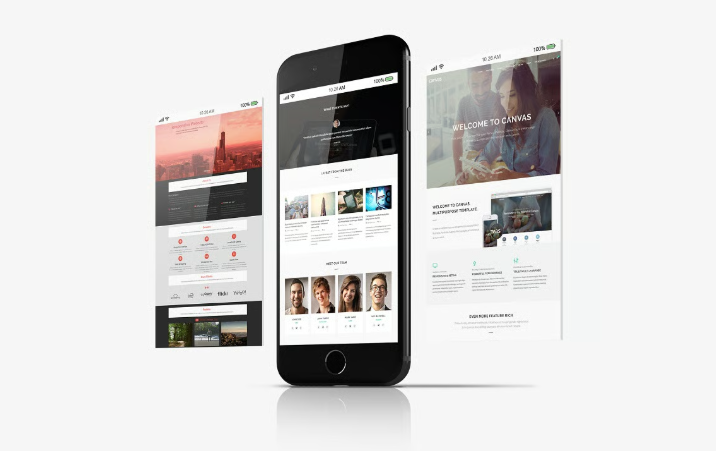
Most small business websites in Ogden struggle to stand out online. You could be losing customers simply because your site loads too slowly or misses key local SEO signals. This post breaks down what truly makes an Ogden web design competitive—from page speed optimization and Core Web Vitals to Google Business Profile tactics—so you can attract more visitors and turn them into buyers. For more insights, check out this resource: https://drydenlabs.com/seo-local-businesses-get-top-online-fast/.

Boosting Local Business Visibility

A strong online presence is crucial for local businesses in Ogden. Let’s explore what makes a web design truly stand out in this vibrant community.

Importance of Ogden Web Design

Local businesses often wonder how to create a website that captures attention. The key lies in understanding what makes your site unique. A compelling design isn’t just about looks. It’s about function, too. Fast-loading pages can make a huge difference. Did you know that 53% of users leave if a site takes over 3 seconds to load? This shows how important speed is in keeping visitors engaged.

Another factor is mobile compatibility. With more people browsing on their phones, your site must adapt. A mobile-friendly site not only improves user experience but also boosts your search rankings. Simple navigation and clear calls to action are essential. These elements guide your visitors and can increase your conversions.

Role of Local SEO in Ogden

Local SEO plays a significant role in helping businesses in Ogden reach their audience. It’s all about making sure your company appears in local search results. By focusing on local SEO Ogden, you can better connect with potential customers nearby.

Start with keyword research. Find what terms your audience is searching for and include them naturally in your content. Local citations are another vital part. They ensure that your business information is consistent across the web, building trust with search engines and users alike.

Google Business Profile Optimization

Your Google Business Profile can set you apart from competitors. It’s not just a directory listing; it’s a powerful tool for engaging with local customers. Make sure your profile is complete and up to date. Add photos, respond to reviews, and share posts about your business. These actions help you stand out in local searches.

Did you know businesses with complete profiles are 70% more likely to attract location visits? Maintaining an active profile can significantly improve your visibility and encourage more customer interactions.

Driving Conversions and Revenue

Once visitors find your website, the next step is converting them into customers. This requires a strategic approach to design and content.

Conversion Rate Optimization Techniques

Boosting conversions involves understanding user behavior. One effective technique is A/B testing. By testing different versions of a page, you can see what works best. Small changes like adjusting button colors or headlines can lead to big improvements.

Another method is crafting clear calls to action. Guide your visitors with precise instructions, whether it’s “buy now” or “contact us.” Ensure your forms are straightforward, asking only for essential information. Simplifying the process can reduce drop-offs and increase conversions.

Effective Content Strategy for Small Businesses

Content is king, especially for small businesses looking to engage their audience. Create valuable content that addresses your audience’s needs and interests. Share stories about your business, offer tips, and answer common questions. This builds trust and establishes your authority.

Also, consider a blog. It can be an excellent tool for showcasing expertise and keeping customers informed. Regular updates keep your site fresh and can improve your search engine ranking. Look into this insightful guide on content strategy for more ideas.

Page Speed and Core Web Vitals

Page speed is crucial not just for user experience but for SEO too. Google’s Core Web Vitals focus on user experience metrics like loading time, interactivity, and visual stability. Keeping these in check ensures your site meets user expectations.

Tools like Google PageSpeed Insights can help identify areas for improvement. Optimize images, reduce server response times, and minimize CSS to enhance speed. Remember, a fast site keeps users engaged and ranks better in search results.

Building Scalable Web Solutions

As your business grows, your website should too. Scalable solutions ensure you can meet increasing demands without compromising on performance.

Benefits of Mobile-First Design

A mobile-first design approach is becoming more important. It ensures your website delivers a great experience on all devices, which is crucial as mobile usage continues to rise. This approach prioritizes the mobile experience, ensuring that content is accessible and engaging, regardless of screen size.

By focusing on mobile-first, you not only enhance user satisfaction but also improve your rankings. Search engines favor sites that cater to mobile users, boosting your visibility in search results.

Custom WordPress and Webflow Development

Choosing the right platform for your site is key. WordPress developer Ogden and Webflow offer flexible solutions tailored to your needs. They provide the tools for creating a site that’s both functional and visually appealing.

With WordPress, you benefit from a vast array of plugins and themes, making customization easy. Webflow, on the other hand, offers a design-centric approach, allowing for precise control over layout and style. Both platforms support growth, ensuring your site can evolve with your business.

ADA Compliance and Accessibility

Making your website accessible is not just a legal requirement; it’s good business practice. ADA compliance ensures your site can be used by everyone, including those with disabilities. This broadens your audience and demonstrates your commitment to inclusivity.

Review your site for accessibility features like alt text for images, keyboard navigation, and screen reader compatibility. These elements not only enhance usability for those with disabilities but also improve the overall user experience.

By understanding and implementing these strategies, Ogden businesses can create competitive websites that attract and convert local customers. Embrace these insights to strengthen your digital presence and drive business success.

Let’s take care of your website today
Website Structure: The Bridge Between Great UX and Strong Search Visibility 1024 682 ignacio@mcval.net

Website Structure: The Bridge Between Great UX and Strong Search Visibility

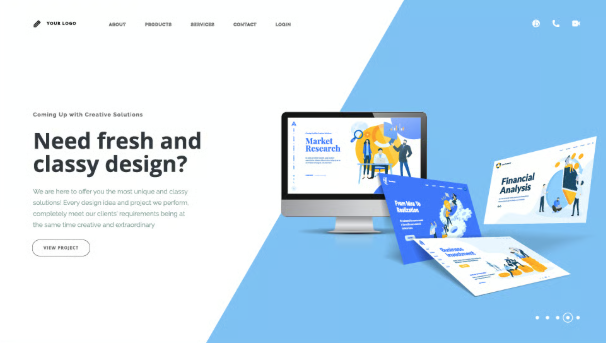
Most websites lose visitors because their structure feels like a maze. When your site architecture is confusing, users leave before they find what they came for. Your website structure shapes both user experience and search visibility; getting it right means more engaged visitors and higher rankings. Let’s explore how smart information architecture, navigation design, and internal linking can make your site work harder for your business. For more insights, check out this article.

Impact of Website Structure on UX and SEO

A strong website structure is crucial for both user engagement and search rankings. It helps users navigate your site with ease and ensures search engines can index your pages efficiently. This foundation sets the stage for a smoother user journey and better visibility.

Key Elements of Site Architecture

Site architecture is the backbone of your website’s user experience. Organizing your content into logical silos helps users find what they need without frustration. Think of it like a library: categories and subcategories should guide visitors naturally.

Clear hierarchies and content silos make information easy to find. This not only aids in user satisfaction but also boosts your search rankings. When search engines crawl your site, a well-structured layout ensures they understand your content quickly. Check out this article for more on how structure builds trust.

How Navigation Design Enhances User Experience

Navigation is your site’s roadmap. A clear menu helps users explore without getting lost. Ever visited a site and felt stranded? Poor navigation is often the culprit.

A simple menu with descriptive labels makes a big difference. Users should reach any page in just a few clicks. If they can’t, they might leave before finding what they need. Effective navigation keeps both users and search engines happy, leading to longer site visits and better rankings.

URL Taxonomy for Better Search Visibility

Your URLs should be clean and descriptive. They guide search engines through your site and tell users what to expect on each page. Avoid complicated strings of numbers and symbols.

Simple, keyword-rich URLs improve click-through rates. They also give search engines a clear path to follow, boosting your site’s visibility. For a deeper dive into URL strategies, explore this guide.

Practical Fixes for Common Site Issues

Even well-designed sites can face issues. Addressing these problems ensures your website performs at its best for users and search engines alike.

Streamlining Internal Linking and Breadcrumbs

Internal links connect your pages, guiding users and search engines. They help distribute authority across your site, boosting SEO.

Breadcrumbs offer additional guidance, showing users their path through your site. This reduces bounce rates and improves navigation. Make sure your internal links and breadcrumbs are consistent and logical, enhancing the user’s journey and your site’s crawlability.

Enhancing Crawlability and Indexation

For search engines to index your site effectively, they need a clear path. Ensure your XML sitemap is up-to-date, and use robots.txt to guide crawlers.

Proper use of canonicalization prevents duplicate content issues. These steps improve your site’s crawlability, helping your pages rank higher in search results.

Technical SEO: Core Web Vitals and Page Speed

Technical SEO is about fine-tuning your site’s performance. Focus on Core Web Vitals and page speed optimization to enhance user experience.

Fast-loading pages improve user retention. Tools like Google PageSpeed Insights can help identify areas for improvement. Addressing these technical aspects can lead to significant SEO gains, as discussed in this blog.

Building a Future-Ready Website with SolidifyWeb

To stay ahead, your website must evolve with technology and user expectations. A future-ready site adapts to changes and remains competitive.

Local SEO and Mobile-First Design

Local SEO is crucial for businesses targeting specific regions. Optimize your Google Business Profile and focus on local keywords to increase visibility.

With mobile traffic growing, a mobile-first design is essential. Ensure your site looks great and functions well on all devices, keeping users engaged and improving rankings.

Ogden’s Trusted Partner for SEO and Web Development

In Ogden, SolidifyWeb is your go-to partner for web development and SEO. Our expertise helps businesses build powerful online presences that convert visitors into customers.

We offer comprehensive solutions, from custom web development to advanced SEO strategies. Our local focus ensures that your business thrives in the Ogden market and beyond.

Book Your Free Website Structure Audit

The longer you wait, the more potential customers you might lose. Secure your website’s future with a free audit from SolidifyWeb. Our team will identify key areas for improvement, helping you create a user-friendly, search-optimized site. Contact us today to book your audit.

Let’s take care of your website today

Scale Without Stress: Plan a Scalable Website to Prevent Growth Problems 1024 683 ignacio@mcval.net

Scale Without Stress: Plan a Scalable Website to Prevent Growth Problems

Most websites struggle when traffic doubles or content piles up. Without scalable website planning, you face slow load times, SEO drops, and security risks that can stall growth. This post explains how smart website scalability protects your business and keeps your site running smoothly as you expand. If you want Ogden web development that supports long-term success, keep reading to learn what to prioritize before your next redesign. For more insights on building a scalable website, take a look at this guide.

Mastering Scalable Website Planning

Building a scalable website requires understanding key elements that support growth without headaches. Let’s explore the essential components that make your web design scalable.

Key Elements of Scalable Web Design

Crafting a website that grows with your business starts with solid web design. Responsive design ensures your site looks great on any device. This adaptability is crucial as more users rely on mobile devices. By focusing on a headless CMS, you separate the front-end from the back-end, allowing for more flexibility and easier updates.

Another critical element is cloud hosting. It offers scalability by providing resources as needed, so your site doesn’t crash under heavy traffic. Load testing simulates user activity, helping you understand how your website performs during peak times. This preparation is key to maintaining a smooth user experience, especially during promotions or peak shopping seasons.

Benefits of Website Scalability

A scalable website leads to a better user experience, and that’s just the start. Site reliability means users encounter fewer issues, which builds trust. As your business grows, so do your security needs. Scalable design helps manage these demands effectively, keeping your data safe.

For businesses with online sales, e-commerce scalability is vital. You can handle more products and transactions without sacrificing speed or functionality. This adaptability also extends to SEO. A well-designed scalable website improves technical SEO, leading to higher search rankings and more organic traffic.

Addressing Growth Challenges

As your business expands, challenges arise. Knowing how to tackle them can make all the difference. Let’s dive into two major growth challenges and how you can address them.

Preventing Performance Bottlenecks

When websites grow, performance issues often lurk around the corner. Slow load times and crashes can frustrate users. To prevent these bottlenecks, focus on performance optimization. Use responsive design to ensure your site loads quickly on all devices. Implement cloud hosting for auto-scaling, so your site can handle spikes in traffic with ease.

Monitoring tools can help you spot problems before they affect users. Regular load testing allows you to simulate various scenarios, ensuring your site remains robust under stress. Taking these steps keeps your site running smoothly, maintaining user satisfaction and supporting your business growth.

Enhancing Technical SEO and Core Web Vitals

A scalable website is only worthwhile if it’s visible online. Technical SEO boosts your site’s performance in search results. Focus on Core Web Vitals, which include loading speed, interactivity, and visual stability. Improving these metrics can enhance user experience and search rankings.

Ensure your website’s architecture supports SEO-friendly practices. This includes clean URL structures and fast loading times. Regular audits can identify areas for improvement, keeping your site competitive. A well-optimized, scalable site attracts more visitors, driving growth and success.

SolidifyWeb: Your Ogden Development Partner

When looking to scale your website, having the right partner is crucial. SolidifyWeb offers expertise and local knowledge, making them the ideal choice for businesses in Ogden.

Expertise in Custom Web Development

SolidifyWeb specializes in custom web development tailored to your needs. Their experience ensures your site is built for performance and scalability. By focusing on conversion rate optimization, they help turn visitors into customers, boosting your revenue.

Their approach includes using a headless CMS and cloud hosting to provide flexibility and support growth. Whether you’re a small local business or a large enterprise, SolidifyWeb has the tools and expertise to elevate your online presence and support your expansion.

Engaging with Local SEO and E-commerce Scalability

Local businesses need a strong online presence to thrive. SolidifyWeb understands the importance of local SEO Ogden. They optimize your site to rank higher in local searches, increasing visibility and attracting more customers.

For businesses with online stores, e-commerce scalability is essential. SolidifyWeb ensures your platform can handle increased demand and offer a seamless shopping experience. By partnering with SolidifyWeb, you gain a trusted ally in navigating the complexities of web development and achieving sustainable growth.

In summary, scalable website planning is pivotal for overcoming growth challenges. By choosing SolidifyWeb as your partner, you benefit from expert guidance and tailored solutions. Ready to take your website to the next level? Embrace scalable design and watch your business flourish.

Let’s take care of your website today

    Join our Newsletter

    We'll send you newsletters with news, tips & tricks. No spams here.

      Contact Us

      We'll send you newsletters with news, tips & tricks. No spams here.