Before You Buy More Ads: The Local Business Website Readiness Checklist (Ogden Edition)
Most Ogden businesses rush into buying more ads without checking if their website can handle the traffic. That’s like filling a bucket with holes. Your site needs fast loading, clear navigation, and solid SEO before you spend another dollar on marketing. This local business website checklist will show you the must-haves to get right first and how a website developer in Ogden can help you build a foundation that turns clicks into customers.
Essential Website Foundations
Building a strong website is like setting the foundation for a house. Without a solid base, nothing else matters. Here’s what you need to focus on:
Speed and Performance
Your website needs to load fast. People won’t wait around for slow pages. Google says that sites should load in under three seconds. If yours is sluggish, visitors will bounce to competitors. Start by reducing image sizes and using a reliable host. Core Web Vitals optimization is crucial. Tools like Google PageSpeed Insights can help you identify where to improve. Fast websites lead to more conversions.
User Experience Focus
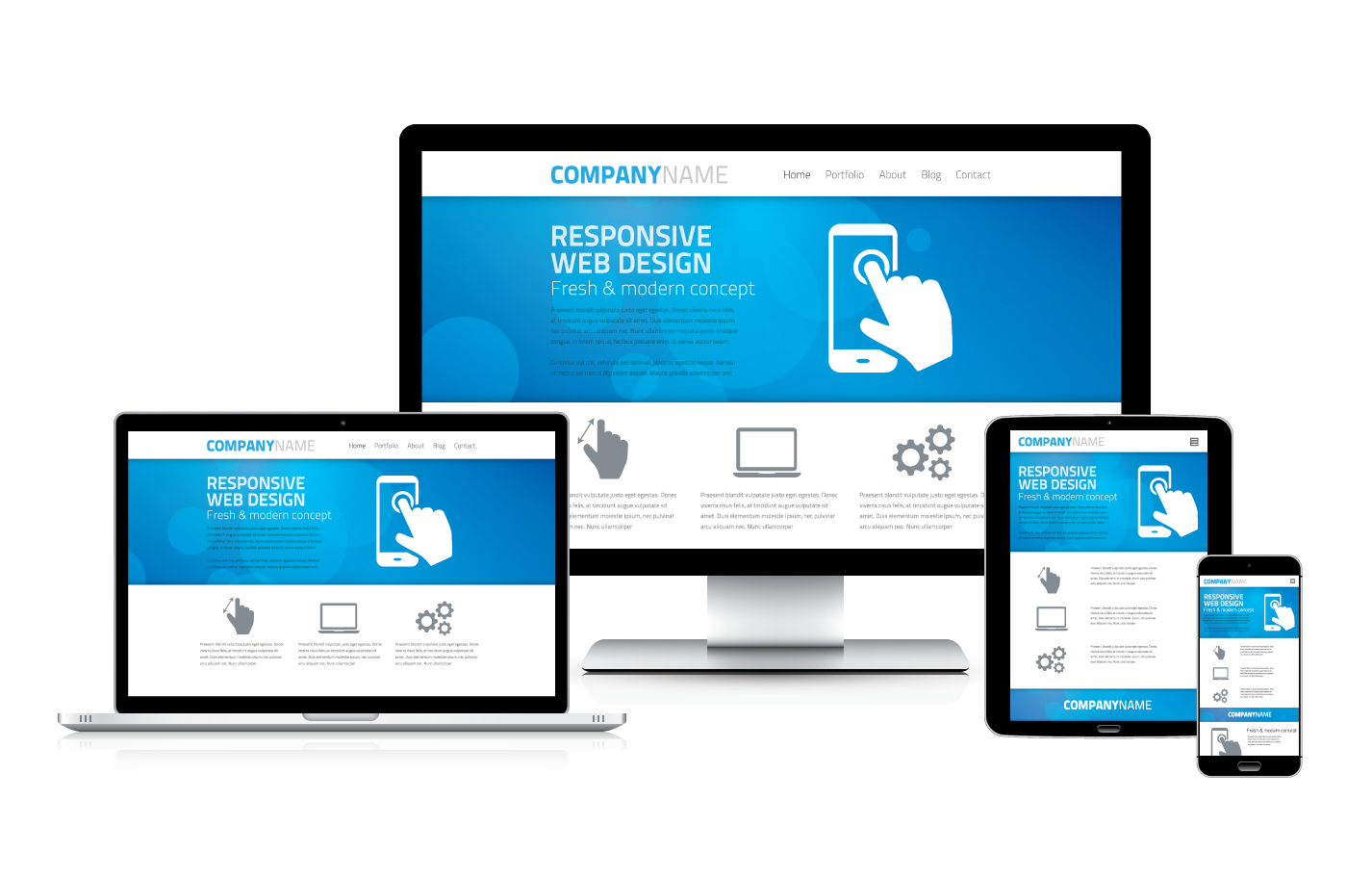
A site that’s easy to navigate keeps visitors engaged. Use a mobile-first responsive design to ensure your site looks good on all devices. Menus should be intuitive, and content should be easy to find. Think of your site as a guide for users. If they can’t find what they need quickly, they’ll leave. A good user experience builds trust and keeps visitors coming back.
Conversion Rate Optimization
Every page should encourage action. Whether it’s signing up for a newsletter or making a purchase, guide visitors toward these actions. Start by analyzing your current setup. Where are visitors dropping off? Use tools like heatmaps to visualize their journey. Then, adjust elements like call-to-action buttons to stand out and improve lead form optimization. Small tweaks can yield big results.
Technical and Local SEO Essentials

Once your site is solid, it’s time to make sure it gets found. SEO is your ticket to visibility. Here’s how to get started:
Technical SEO Ogden Tips
Technical SEO keeps your site in top shape for search engines. Start with an audit to identify issues like broken links or missing alt texts. Site speed and performance play a role here too. Ensure you have an XML sitemap and that your site is mobile-friendly. These steps make it easier for search engines to crawl and rank your site.
Local SEO Ogden Strategies
Local SEO gets you noticed in your community. Google Business Profile optimization is a must. Ensure your information is accurate and up-to-date. Encourage customer reviews and respond to them. Use local keywords in your content, like “Ogden web development,” to attract nearby customers. Being visible locally means more foot traffic and inquiries.
Schema Markup for Local Businesses
Schema markup helps search engines understand your site better. For local businesses, this means adding structured data for elements like address, phone number, and hours. Use tools like Google’s Structured Data Markup Helper to get started. This step can improve your visibility in local search results, driving more traffic to your business.
Analytics and Security Measures

Now, you need to track success and protect your site. Here’s what that entails:
GA4 and Conversion Tracking
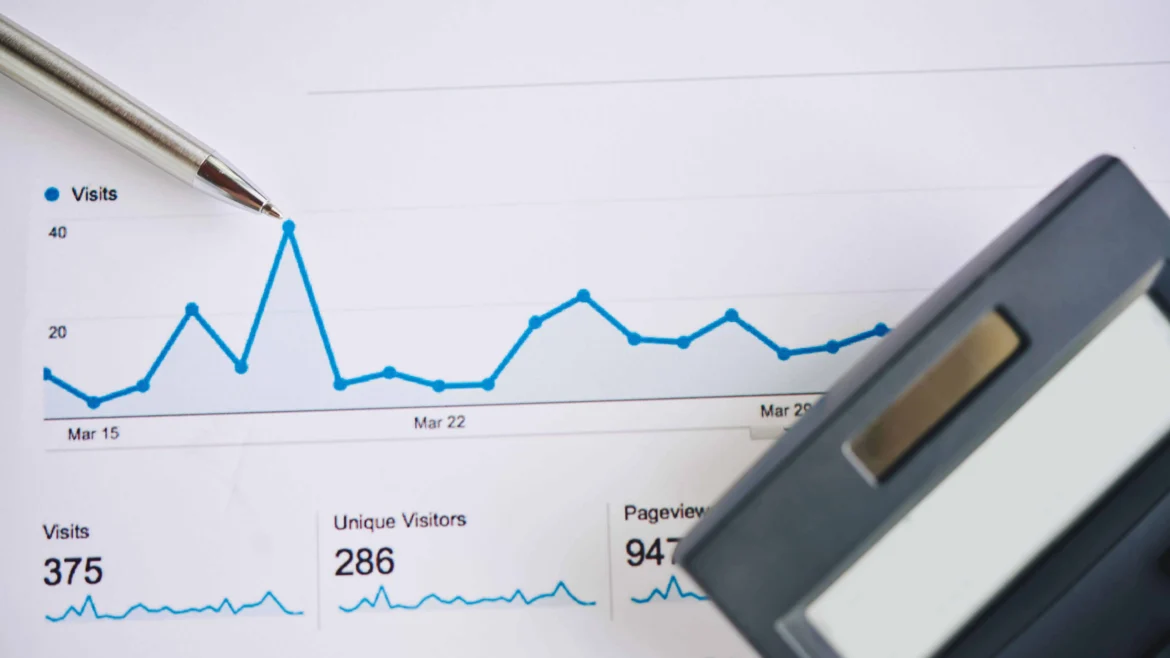
Tracking visitor behavior helps you understand what’s working. Set up GA4 conversion tracking to monitor actions like purchases or form submissions. This data reveals which pages convert best, so you can optimize others. Insights from analytics drive informed decisions and growth.
SSL and Website Security
Security is non-negotiable. An SSL certificate encrypts data, making transactions secure. It’s also a trust signal for visitors. Without it, your site may be flagged as unsafe. Regular security checks ensure you stay protected against threats. Secure sites build trust and protect your reputation.
ADA Accessibility for Websites
Accessibility expands your audience. Ensure your site meets ADA standards by providing alt text for images and captions for video. Use tools like WAVE to test your site’s accessibility. This not only helps users with disabilities but also improves overall usability for everyone.
Frequently Asked Questions
What is the importance of website speed and performance?
Website speed directly impacts user satisfaction and conversion rates. Faster sites retain users and improve the likelihood of converting them into customers.
How does local SEO differ from regular SEO?
Local SEO focuses on optimizing a website to be found in local search results. This includes using local keywords and optimizing your Google Business Profile.
Why is SSL important for my website?
SSL certificates encrypt data, ensuring secure transactions and building trust with visitors. They also prevent your site from being marked as unsafe by search engines.
What is schema markup and why is it important?
Schema markup is a form of microdata that helps search engines understand your site’s content. For local businesses, it enhances visibility in local search results.
How can I make my website more accessible?
Improving accessibility involves adding alt text to images, ensuring proper color contrast, and providing captions for videos. Tools like WAVE can help identify areas for improvement.
Let’s take care of your website today