Essential Features Every High-Performing Service Business Website Needs
Essential Features Every High-Performing Service Business Website Needs
Most service business websites miss key features that drive leads and build trust. Your website might be one of them, quietly losing potential clients every day. This post breaks down the essential service business website features that create a high-performing website built for local SEO Ogden, fast page speed, and smooth user experience. Keep reading to learn how SolidifyWeb can help you attract more customers with a website designed to perform. For more information, check out this guide on must-have business website features.
Key Features for Service Business Websites

Let’s explore the features that can transform your website into a lead-generating powerhouse. It’s not just about being online—it’s about making an impact.
Essential Lead Generation Tactics
Every service business needs a website that turns visitors into leads. Start with clear calls-to-action. Keep them simple and direct, like “Get a Free Quote” or “Schedule a Consultation.” These buttons should stand out on your page.
Next, consider online booking integration. This feature makes it easy for potential clients to schedule services, reducing friction in their decision-making process. People appreciate the convenience and are more likely to choose your business over competitors.
Finally, think about CRM integration. By connecting your website with your customer relationship management tool, you can track leads and follow up effectively. This helps in converting prospects into loyal customers. Remember, the easier you make it for customers to connect, the more leads you’ll generate.
High-Performing Design Elements
A website that looks good keeps visitors around. Start with a clean layout. Avoid cluttered pages and use white space to guide the eye. A tidy design is not just pleasing; it helps users find information quickly.
Use high-quality images and videos. Real photos of your business or staff create trust. They show that you are authentic and professional. Videos are even better for engaging visitors.
Think about consistent branding. Your logo, color scheme, and fonts should be the same across all pages. This consistency builds brand recognition and trust. A cohesive design tells visitors you pay attention to detail, which reflects on your service quality.
Secure and Reliable Hosting Solutions
Strong hosting is crucial for a reliable website. Look for secure hosting that protects against cyber threats. This not only keeps your data safe but also builds trust with your customers.
Your hosting should also be reliable. Downtime can cost you potential clients. A service that guarantees uptime ensures your site is always accessible. Lastly, choose a provider that offers scalability. As your business grows, your website should be able to handle increased traffic without issues.
Optimizing for Search and Conversion
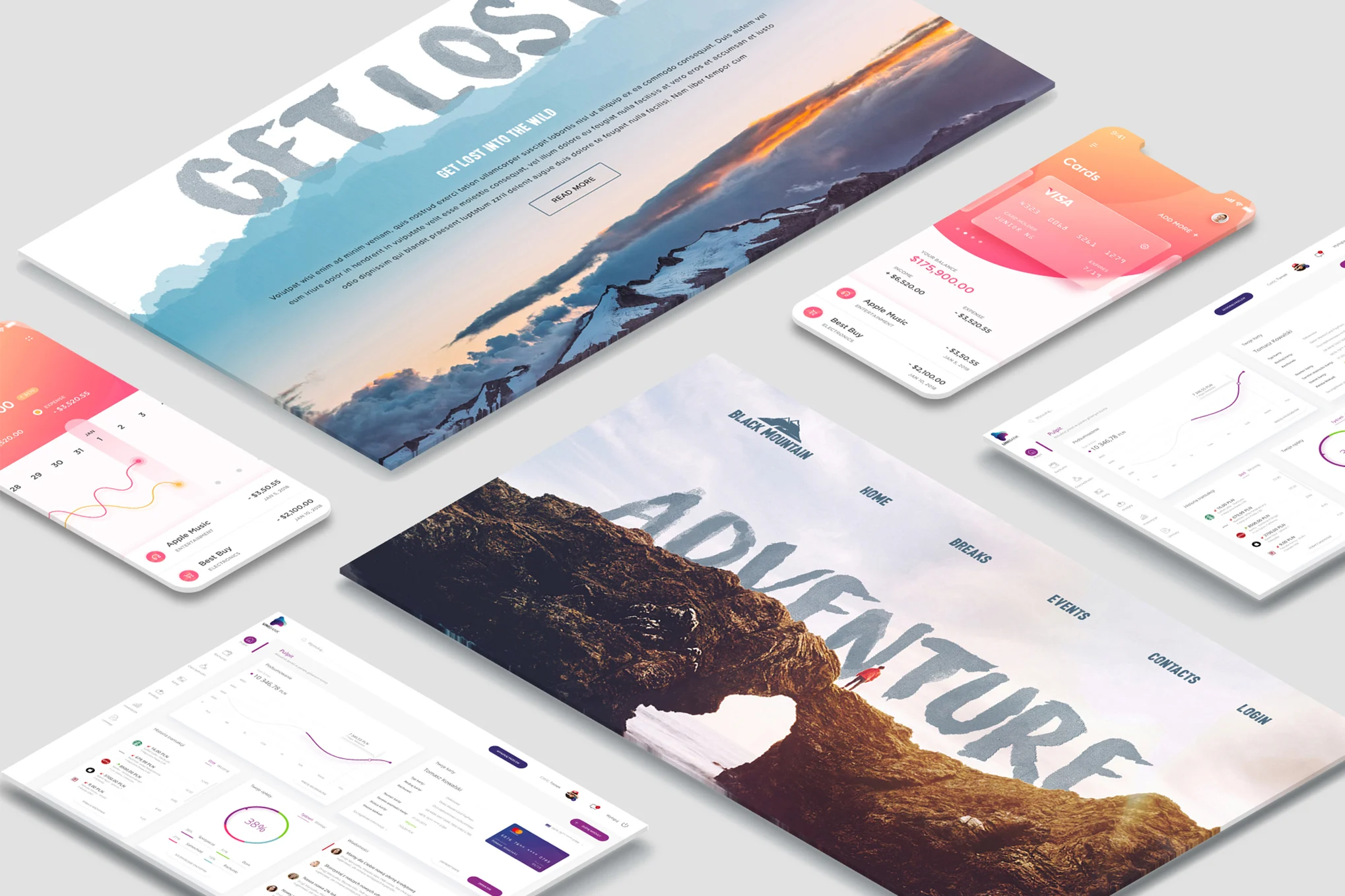
To stand out online, you need to optimize your site for both search engines and user conversions. These strategies will help you rank higher and convert better.
Local SEO Strategies for Ogden
If you’re in Ogden, local SEO is your ticket to being found. Begin with Google Business Profile optimization. Ensure your profile is complete and up-to-date. This simple step can significantly boost your visibility in local searches.
Next, focus on local keywords. Use terms that your potential clients in Ogden are searching for. Keywords like “best plumber in Ogden” or “Ogden web development” should naturally appear on your site.
Don’t forget about local citations. List your business in local directories. This strengthens your presence online and helps search engines trust your business more. A strong local SEO strategy is crucial for outpacing competitors in your area.
Technical SEO Best Practices
Technical SEO might sound daunting, but it’s essential. Start with schema markup. This code helps search engines understand your content better. It can improve your visibility in search results.
Check your site’s load speed regularly. A slow site frustrates users and hurts your rankings. Use tools to measure speed and fix any issues that arise. Also, ensure your site is mobile-friendly. More people browse on their phones, and Google favors mobile-ready sites.
Finally, perform regular audits of your site. These will uncover technical issues like broken links or crawl errors. Fixing these ensures that search engines can index your site efficiently.
Conversion Rate Optimization Techniques
Getting visitors is only part of the equation; you need to convert them into customers. Start by testing your calls-to-action. Try different wording, colors, and placements to see what works best.
Consider A/B testing other elements on your site. This could be headlines, images, or even page layouts. Small tweaks can lead to significant improvements in conversion rates.
Lastly, use social proof. Display testimonials or case studies prominently. When potential clients see others trust you, they’re more likely to do the same. Conversion optimization is about making the path to purchase as smooth as possible.
Enhancing User Experience and Accessibility
Your website should be easy and pleasant to use for everyone. Let’s explore how you can make that happen.
Responsive and Mobile-First Design
In today’s world, mobile-first design is not optional. It’s essential. Ensure your site is responsive, meaning it looks great on any device. Test it on phones, tablets, and desktops to ensure a seamless experience.
A mobile-first approach means designing for phones first. Mobile users expect fast-loading pages and easy navigation. Ensure buttons are large enough to tap, and content is readable without zooming. With more than half of all traffic coming from mobile, this is crucial.
ADA Compliance and Website Accessibility
Accessibility is about making your site usable for everyone, including those with disabilities. Start with ADA compliance. This involves things like providing alt text for images and ensuring your site can be navigated using a keyboard.
Consider color contrast. Text should be readable against background colors. Use tools to check if your site meets accessibility standards. Additionally, add captions to videos. This helps those who are hard of hearing.
Making your site accessible not only broadens your audience but also shows that you care about inclusivity. It’s a step forward in building a reputable brand.
Fast Page Speed and Core Web Vitals
Page speed is a direct ranking factor. Slow sites lose visitors. Use tools to analyze your site’s Core Web Vitals. These metrics help measure user experience in terms of speed, responsiveness, and visual stability.
Optimize images to load faster and reduce unnecessary code. Each second shaved off load time can increase conversions. Also, consider caching. This stores data locally, so returning users experience even faster load times.
Don’t let slow speeds drive potential clients away. Invest in improving your page speed for a better user experience and higher rankings.
By focusing on these core areas, your service business website can become a leading tool for growth. Keep these elements in mind, and you’ll be on your way to creating a site that not only attracts visitors but turns them into loyal customers.
Let’s take care of your website today