Maximizing ROI With Ongoing Website Optimization and Maintenance
Maximizing ROI With Ongoing Website Optimization and Maintenance
Most websites lose revenue because they ignore ongoing optimization and maintenance. Your site’s speed, uptime, and user experience directly affect how many visitors turn into customers. Keeping Core Web Vitals in check and improving conversion rates can boost ROI while cutting costs and risks. In this post, you’ll learn how SolidifyWeb’s expert approach to website optimization and maintenance helps businesses in Ogden achieve measurable growth and lasting success. For more information, check this link.
The Power of Continuous Optimization
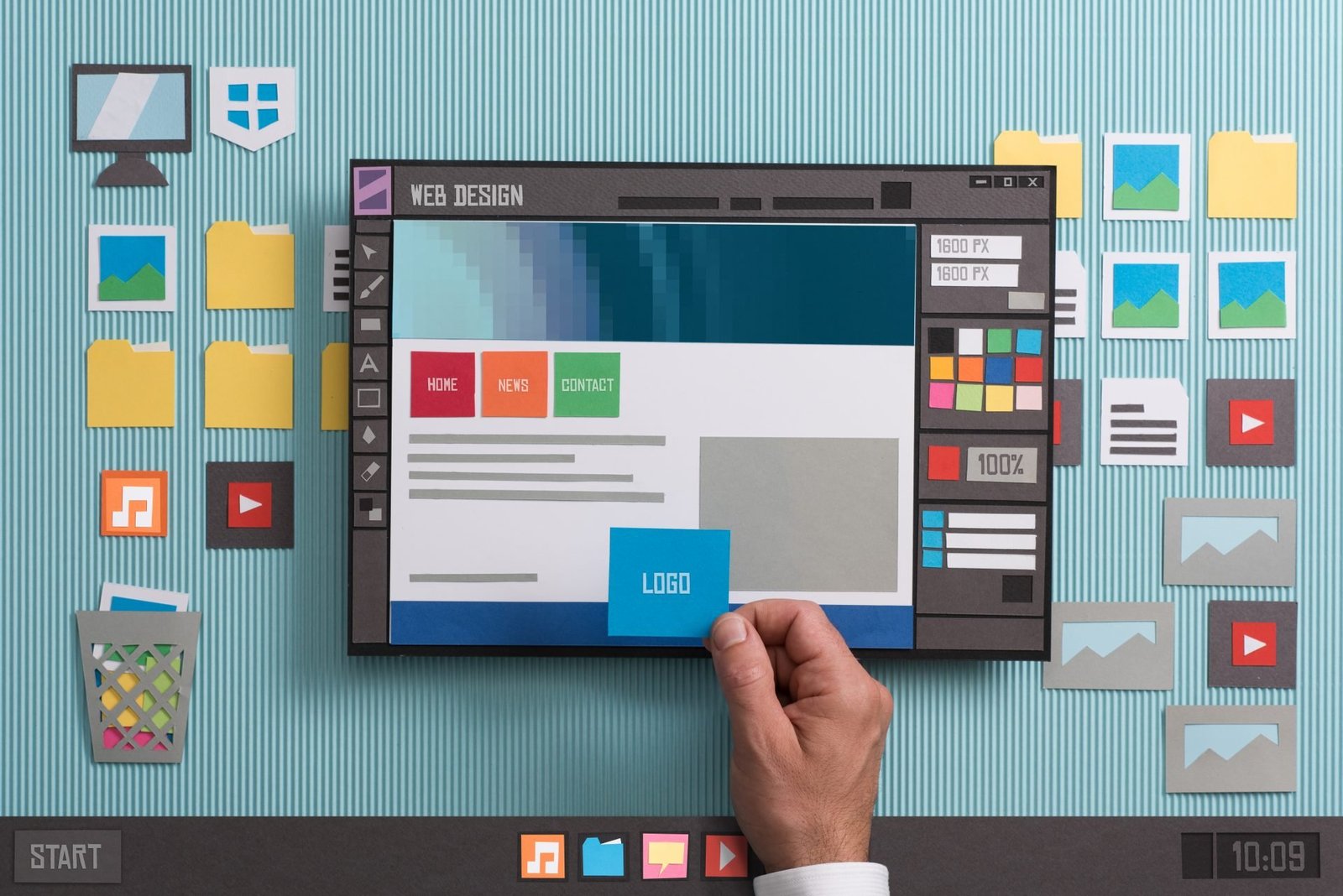
Keeping your website in top shape is not a one-time task. It requires ongoing effort to ensure it delivers the best performance and results. This is where continuous optimization can make a big difference.
Boosting Conversions with CRO
Conversion Rate Optimization (CRO) is key to turning visitors into customers. You need to focus on user behavior to make informed changes that increase conversions. Analyze where users drop off and make adjustments. With CRO, small changes can lead to big results. For example, tweaking your call-to-action button color can boost conversions by 20%.
Most people think a website is just about looks, but functionality is equally important. CRO ensures every element works to convert visitors. Consider adding testimonials to build trust with potential buyers. By focusing on what works, you can guide users toward taking action.
Core Web Vitals and Page Speed
Page speed is essential for user satisfaction. Slow loading times can cause visitors to leave, affecting your bottom line. Core Web Vitals, like loading time and interactivity, help you measure performance. Aim for a load time under 3 seconds to keep visitors engaged.
Using tools like Google PageSpeed Insights can show where your site needs improvement. Faster pages lead to better user experience, higher rankings, and increased conversions. Remember, every second counts, and improving speed can significantly enhance your website optimization efforts.
Monitoring and Maintenance Essentials

Once your site is optimized, regular monitoring and maintenance keep it running smoothly. This ensures uptime and security, which are crucial for business success.
The Importance of Uptime and Security
Uptime is the backbone of your online presence. If your site is down, you’re losing potential sales. Regular checks help catch issues before they impact your business. Investing in a reliable host ensures your site stays live.
Security is just as important. Protect your site from threats with regular updates and backups. A secure site builds customer trust and protects your data. The longer you wait to address security, the greater the risk of breaches.
Enhancing Lead Quality Through Performance
Improving performance can enhance the quality of leads you attract. A well-optimized site attracts users who are genuinely interested in your offerings. Performance metrics like bounce rate and session duration give insights into user engagement.
A/B testing is another strategy to refine your approach. Test different elements to see what resonates with your audience. By tailoring content and design to user preferences, you can increase the quality and quantity of your leads.
Partnering with SolidifyWeb for Success

For businesses in Ogden, partnering with SolidifyWeb can be a game-changer. Our expertise in SEO and web development can transform your online presence.
SEO Services and Local SEO in Ogden
SEO is vital for online visibility. Our team at SolidifyWeb offers tailored strategies that improve rankings and drive traffic. We focus on local SEO to enhance your presence in Ogden. This means optimizing your Google Business Profile and using local keywords effectively.
A robust SEO strategy ensures you’re found by those who need your services. With our help, you can achieve higher search engine rankings and reach your target audience more effectively.
Custom Web Development and Managed Services
SolidifyWeb specializes in custom web solutions that align with your business goals. Whether you need a new site or want to optimize your existing one, we’ve got you covered. Our managed services ensure your site remains fast, secure, and up-to-date.
We offer scalable solutions that grow with your business. From WordPress maintenance to Webflow development, our team delivers results that matter. Trust SolidifyWeb to keep your digital presence strong and effective.
In conclusion, ongoing optimization and maintenance are essential for maximizing ROI. With SolidifyWeb as your partner, you can achieve lasting success and growth. Investing in your website today sets the foundation for future achievements.
Let’s take care of your website today