Posts Tagged :

breadcrumbs

Win Local Search with Clear Page Architecture: A Practical Guide for Ogden Businesses 715 478 ignacio@mcval.net

Win Local Search with Clear Page Architecture: A Practical Guide for Ogden Businesses

Most Ogden businesses struggle to get noticed online because their site’s page architecture is a mess. When search engines can’t crawl your site easily, you lose valuable local SEO rankings and potential customers. This guide shows how clear page architecture boosts your site’s crawlability, user experience, and conversions—setting you apart from competitors. Let’s explore practical steps to build a smarter IA blueprint that drives results for your Ogden business. Learn more about optimizing your Google Business Profile to enhance local visibility.

Boost Local Visibility with Page Architecture

A well-structured website can significantly impact your local visibility. By focusing on page architecture, you give your business a better chance to stand out in search results. Whether you’re a local shop or a large enterprise in Ogden, clear site structure is crucial.

Enhance Crawlability and Indexation

First, let’s tackle how search engines interact with your site. By organizing your pages properly, you help search engines like Google find and index your content. This means more chances for your site to appear in relevant searches.

  • Use an XML sitemap to guide search engines to all important pages.

  • Keep your robots.txt file updated to prevent search engines from crawling unnecessary pages.

Effective architecture doesn’t just help search engines; it improves the user journey too. When your site is easy to navigate, visitors find what they need faster, leading to better engagement and potentially more sales.

Improve User Experience and Conversions

Think about your website as a digital storefront. If visitors can’t find what they’re looking for quickly, they’ll move on. A clear site structure makes it easier for users to navigate and find key information.

  • Implement breadcrumbs to help users see their navigation path.

  • Ensure your URL structure is simple and descriptive.

A smooth user journey translates into higher conversion rates. When users can navigate freely, they’re more likely to take action, whether that’s making a purchase or signing up for a newsletter.

SolidifyWeb: Your Ogden Web Partner

We at SolidifyWeb are committed to helping Ogden businesses like yours succeed online. Our expertise in web development and SEO ensures your site doesn’t just look good but performs well too.

With our help, your site can become a powerhouse of local SEO. From initial site audits to full-scale redesigns, we’re here to support your digital growth journey.

Key Elements of Effective Site Architecture

Now, let’s dive into the components that make up effective site architecture. These elements are vital for building a solid foundation for your website.

Structuring an IA Blueprint for Success

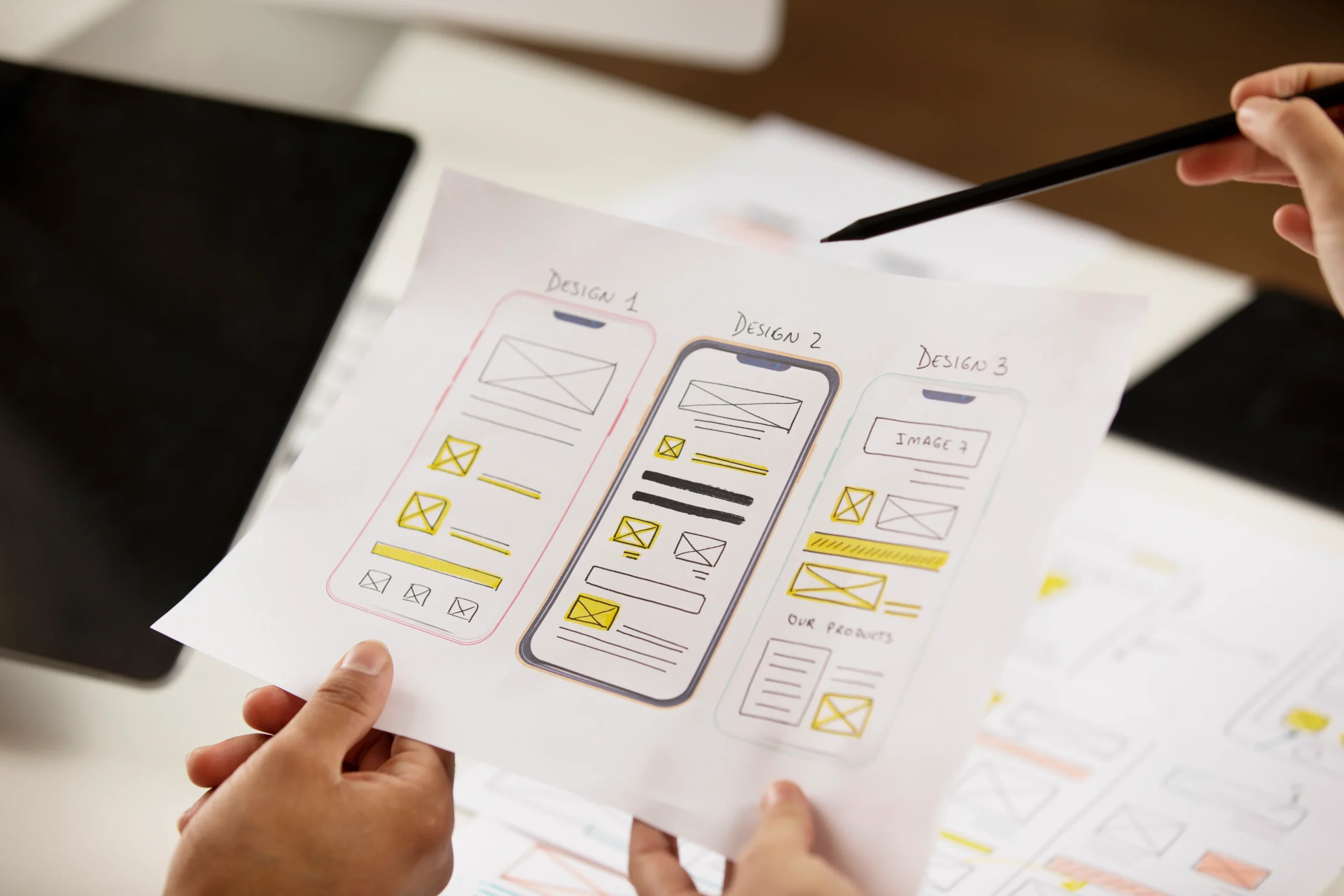
Creating an Information Architecture (IA) blueprint is like drafting a roadmap for your site. It guides how information is organized and helps in crafting a seamless user experience.

  • Start with a clear hierarchy: Organize content from general to specific.

  • Utilize categories and subcategories to keep things tidy.

A well-thought-out IA blueprint ensures that both users and search engines can easily access your content. This strategic approach helps establish your site as a trusted resource in your area.

Leveraging Internal Linking and Silo Structures

Internal linking is crucial for boosting your site’s SEO and user engagement. By connecting related pages, you help users discover more of your content and keep them on your site longer.

  • Use silo structures to group related content and strengthen topical authority.

  • Ensure links are naturally integrated within your content.

Effective internal linking can boost your site’s credibility and authority, which are key factors in improving your search engine rankings.

Optimize URL Structures and Breadcrumbs

Your URL structure is a silent communicator. It tells users and search engines what your page is about before they even click. Similarly, breadcrumbs offer a visual trail of the user’s journey.

  • Keep URLs short and descriptive: Include primary keywords naturally.

  • Implement breadcrumbs for easy navigation.

These simple adjustments can significantly enhance user experience and boost your site’s performance in search results.

Technical SEO Tips for Ogden Businesses

Technical SEO is a must for any business aiming to improve its online presence. It focuses on the backend elements that affect how search engines find and rank your site.

Implementing Schema Markup and Structured Data

Using schema markup is like giving search engines a cheat sheet for your content. It helps them understand and display your information effectively.

By implementing schema markup, you can enhance the way your content appears in search results, making it more attractive to users.

Mobile-First Design and Core Web Vitals

In today’s digital world, a mobile-first approach is non-negotiable. With most users browsing on mobile devices, your site should perform well across all devices.

  • Focus on page speed optimization for faster load times.

  • Monitor Core Web Vitals to ensure a smooth experience on mobile.

Mobile optimization isn’t just about appearance; it’s about performance too. Fast-loading pages keep users engaged and reduce bounce rates.

E-commerce SEO and Conversion Rate Optimization

For e-commerce businesses, SEO is about more than just bringing visitors to your site; it’s about turning those visitors into customers.

  • Optimize product descriptions and include primary keywords naturally.

  • Use clear call-to-actions to guide users through the purchasing process.

Improving your e-commerce SEO efforts can lead to higher conversion rates and a better bottom line. By focusing on these elements, you can create a powerful online store that drives sales.

In conclusion, a clear and effective page architecture is crucial for boosting your local visibility in Ogden. By implementing these strategies, you can enhance your site’s crawlability, improve user experience, and increase conversions. Whether you’re a small business or a large enterprise, these steps will set you on the path to online success.

Let’s take care of your website today
Internal Linking Still Matters: The Fastest Win for Users and Search Engines 1024 682 ignacio@mcval.net

Internal Linking Still Matters: The Fastest Win for Users and Search Engines

Internal linking isn’t just an old SEO tactic—it’s still the quickest way to improve your site for both users and search engines. When done right, smart internal links boost crawlability, pass link equity, and guide visitors through your content smoothly. In this post, you’ll see how refining your site architecture can help you climb rankings and keep visitors engaged, with clear steps you can take now. For further reading, consider this article on internal linking strategy.

Importance of Internal Linking

Boosting both user engagement and search engine performance, internal linking is crucial for any successful website. Let’s explore how it can enhance user experience and improve search engine rankings.

Enhancing User Experience

Internal links create a roadmap that helps visitors navigate your site with ease. Imagine a well-organized library where every book is easily accessible. This is precisely what internal links do for your website by guiding users to relevant content. When users find what they need quickly, they stay longer on your site, which increases the likelihood of conversions.

For example, a user reading about SEO might click on a link leading to a detailed explanation of technical SEO. This seamless path keeps users engaged and reduces bounce rates. In turn, happy users are more likely to become returning visitors.

A good internal linking strategy also involves using clear anchor text. This provides users with a preview of what they can expect on the linked page, making their journey more intuitive. For additional insights, check out this resource on internal linking.

Boosting Search Engine Rankings

Internal links are a powerful tool for boosting your search engine rankings. They help search engines understand your site structure, which is essential for indexing your pages. When search engines can easily crawl your site, they allocate more authority to it, improving your rankings.

Think of internal links as pathways that distribute link equity throughout your site. Each link contributes to the overall strength of your site in search results. By connecting related content through these links, you not only enhance user experience but also signal to search engines the relevance of your content.

Moreover, internal links support your site’s SEO by helping search engines discover new content faster. When you publish a new blog post, linking it internally makes it easier for search engines to find and index it quickly. For a deeper dive into strategies, check out this guide on internal linking.

Strategies for Effective Internal Linking

Now that we understand the importance, let’s explore strategies for implementing effective internal linking. Building topic clusters and optimizing anchor text are key components.

Building Topic Clusters and Pillar Pages

To organize your content effectively, consider building topic clusters and pillar pages. These act as hubs for related content, making navigation easier for both users and search engines. A pillar page covers a broad topic and links to more specific subtopics, creating a cohesive content structure.

For example, a pillar page about digital marketing might link to subtopics like SEO, content marketing, and social media strategies. This hierarchical structure not only aids in navigation but also establishes your authority on the topic.

By grouping content into clusters, you create a clear map for search engines to follow. This drives more traffic to your site as users find what they need effortlessly. Consider exploring more about this strategy here.

Optimizing Anchor Text and Link Equity

Anchor text is the clickable text in a hyperlink and plays a critical role in internal linking. Using descriptive, keyword-rich anchor text gives users and search engines a clear idea of what the linked page is about. This improves the relevance and authority of your pages.

For instance, instead of using “click here,” use specific text like “learn more about anchor text optimization.” This not only aids in readability but also contributes to SEO by providing context. Distributing link equity strategically helps prioritize important pages, enhancing their visibility.

By ensuring your anchor text is meaningful and varied, you enhance both user experience and search engine understanding. Dive deeper into anchor text optimization with this resource.

Technical Considerations for Internal Links

To fully leverage internal linking, it’s crucial to address the technical aspects. Improving crawlability and managing page depth are vital components.

Improving Crawlability and Indexation

Crawlability refers to how easily search engines can navigate and index your site. Internal links play a key role in this by connecting all your pages. When search engines encounter broken links or dead ends, it hampers their ability to crawl your site effectively.

Ensure all your internal links work correctly and lead to relevant pages. Regularly audit your site to fix any broken links or outdated content. This not only enhances crawlability but also improves user experience by preventing frustration.

Additionally, employing a flat site structure with minimal clicks to reach important pages improves crawlability. Learn more about enhancing crawlability here.

Managing Page Depth and Crawl Budget

Page depth refers to the number of clicks it takes to reach a particular page from the homepage. Keeping page depth shallow ensures users and search engines can access all content with minimal effort. This also helps manage your crawl budget, which is the number of pages a search engine will crawl during a session.

By maintaining a shallow structure, you optimize your crawl budget, ensuring important pages are indexed regularly. This strategy requires regular audits to remove unnecessary layers and streamline navigation.

Ultimately, effective management of page depth and crawl budget boosts your site’s performance in search engine rankings. For more on this topic, explore this article.

By implementing these strategies, you not only enhance your site’s user experience and search engine rankings but also establish a strong foundation for digital growth. As your trusted partner in web development and SEO, SolidifyWeb is here to guide you every step of the way.

Let’s take care of your website today
Why Internal Linking Still Matters for User Experience and Rankings 730 477 ignacio@mcval.net

Why Internal Linking Still Matters for User Experience and Rankings

Internal linking often gets overlooked, but it’s still a powerhouse for improving your site architecture and boosting user experience. When done right, it guides visitors smoothly through your content while helping search engines crawl and index pages more effectively. In this post, you’ll see how strategic internal linking impacts rankings and why Ogden businesses trust SolidifyWeb to audit and optimize their websites for real growth. For more insights on internal linking, you can check out this article on internal linking for SEO.

The Role of Internal Linking in UX

Internal linking is not just a technical detail; it plays a vital role in how users interact with your site. Let’s explore the impact on user navigation, content discoverability, and site architecture.

Enhancing User Navigation

Imagine walking through a library with no signs. You’d feel lost, right? That’s how users feel on a site without proper links. Internal links act like signposts, guiding visitors to where they want to go. They make it easier to find related content, keeping users engaged longer. When users can quickly find what they need, they tend to stay on your site. This is crucial for reducing bounce rates and improving overall satisfaction. A well-structured site helps users navigate without frustration.

Improving Content Discoverability

Internal links don’t just help users; they help your content get noticed. They act as a bridge, connecting new posts to older ones and ensuring nothing gets buried. This means more of your content gets read, increasing its value. When users discover more content, they gain a deeper understanding of your offerings. This is how you build authority in your field. Every click on an internal link can lead to a new discovery, enhancing the user’s journey.

Strengthening Site Architecture

A strong internal linking strategy contributes to a sturdy site architecture. Think of it as the backbone of your website. Links connect pages in a logical order, making it easier for search engines to crawl your site. Good architecture ensures that important pages get the attention they deserve. This enhances your site’s credibility and can lead to better rankings. By organizing content well, you help both users and search engines understand your site’s purpose.

Internal Linking and SEO Rankings

Internal links don’t just improve user experience; they boost your site’s SEO performance. Let’s dive into how they influence PageRank, optimize crawl budget, and utilize anchor text.

Boosting PageRank and Link Equity

Internal links distribute PageRank across your site, enhancing the authority of each page. By linking to important pages, you pass on link equity, signaling search engines about their significance. This can lead to higher rankings. Effective internal linking means choosing which pages to boost strategically. It’s not just about volume; it’s about where those links lead. A balanced approach ensures the most important pages get the authority they need.

Optimizing Crawl Budget and Indexation

Search engines have a limited crawl budget for your site, so make it count. Internal links help direct crawlers to the right places, ensuring essential pages are indexed. This is crucial for large sites with lots of content. By optimizing your crawl path, you make sure search engines don’t miss key pages. This improves your site’s indexation and ensures that all valuable content is accessible. It’s like giving a tour guide a map; they can’t explore everything, but they can see the highlights.

Utilizing Anchor Text Strategy

Anchor text is the clickable text in a hyperlink. Using descriptive anchor text helps search engines understand what the linked page is about. This improves relevance and can influence rankings. Choose anchor texts that clearly reflect the content of the linked page. It’s not just about keywords; it’s about context. A smart anchor text strategy can make your internal linking more effective, enhancing both SEO and user experience.

Partnering with SolidifyWeb for Success

SolidifyWeb stands out as a leader in enhancing internal linking for better results. We offer specialized services to improve your site’s architecture and rankings.

Comprehensive Internal Linking Audits

Our audits examine every link on your site, identifying strengths and areas for improvement. We ensure your internal linking strategy is robust and effective. By analyzing your current setup, we can pinpoint which links are serving you well and which aren’t. This comprehensive approach helps us create a plan tailored to your needs. It’s not just about fixing problems; it’s about unlocking opportunities for growth.

Tailored SEO Strategies and Solutions

We provide solutions that fit your unique business goals. From link audits to customized SEO plans, we help you achieve the rankings you desire. Our strategies are not one-size-fits-all; they are tailored to your specific industry and needs. With our expertise, you can focus on growing your business while we handle the technical details. This partnership means you get the best of both worlds: expert guidance and personal attention.

Exclusive Offers for Ogden Businesses

SolidifyWeb is proud to support local businesses in Ogden with exclusive offers. We understand the unique challenges you face and are here to help you excel. By choosing us, you’re not just getting a service; you’re gaining a partner dedicated to your success. Our local focus means we understand the market and can offer insights that drive growth. Don’t miss out on opportunities to elevate your online presence.

In conclusion, internal linking is a crucial part of both user experience and SEO. As a business in Ogden, partnering with SolidifyWeb can help you unlock the full potential of your online presence. Our tailored strategies and local expertise ensure that you not only meet but exceed your digital goals.

Let’s take care of your website today
Website Structure: The Bridge Between Great UX and Strong Search Visibility 1024 682 ignacio@mcval.net

Website Structure: The Bridge Between Great UX and Strong Search Visibility

Most websites lose visitors because their structure feels like a maze. When your site architecture is confusing, users leave before they find what they came for. Your website structure shapes both user experience and search visibility; getting it right means more engaged visitors and higher rankings. Let’s explore how smart information architecture, navigation design, and internal linking can make your site work harder for your business. For more insights, check out this article.

Impact of Website Structure on UX and SEO

A strong website structure is crucial for both user engagement and search rankings. It helps users navigate your site with ease and ensures search engines can index your pages efficiently. This foundation sets the stage for a smoother user journey and better visibility.

Key Elements of Site Architecture

Site architecture is the backbone of your website’s user experience. Organizing your content into logical silos helps users find what they need without frustration. Think of it like a library: categories and subcategories should guide visitors naturally.

Clear hierarchies and content silos make information easy to find. This not only aids in user satisfaction but also boosts your search rankings. When search engines crawl your site, a well-structured layout ensures they understand your content quickly. Check out this article for more on how structure builds trust.

How Navigation Design Enhances User Experience

Navigation is your site’s roadmap. A clear menu helps users explore without getting lost. Ever visited a site and felt stranded? Poor navigation is often the culprit.

A simple menu with descriptive labels makes a big difference. Users should reach any page in just a few clicks. If they can’t, they might leave before finding what they need. Effective navigation keeps both users and search engines happy, leading to longer site visits and better rankings.

URL Taxonomy for Better Search Visibility

Your URLs should be clean and descriptive. They guide search engines through your site and tell users what to expect on each page. Avoid complicated strings of numbers and symbols.

Simple, keyword-rich URLs improve click-through rates. They also give search engines a clear path to follow, boosting your site’s visibility. For a deeper dive into URL strategies, explore this guide.

Practical Fixes for Common Site Issues

Even well-designed sites can face issues. Addressing these problems ensures your website performs at its best for users and search engines alike.

Streamlining Internal Linking and Breadcrumbs

Internal links connect your pages, guiding users and search engines. They help distribute authority across your site, boosting SEO.

Breadcrumbs offer additional guidance, showing users their path through your site. This reduces bounce rates and improves navigation. Make sure your internal links and breadcrumbs are consistent and logical, enhancing the user’s journey and your site’s crawlability.

Enhancing Crawlability and Indexation

For search engines to index your site effectively, they need a clear path. Ensure your XML sitemap is up-to-date, and use robots.txt to guide crawlers.

Proper use of canonicalization prevents duplicate content issues. These steps improve your site’s crawlability, helping your pages rank higher in search results.

Technical SEO: Core Web Vitals and Page Speed

Technical SEO is about fine-tuning your site’s performance. Focus on Core Web Vitals and page speed optimization to enhance user experience.

Fast-loading pages improve user retention. Tools like Google PageSpeed Insights can help identify areas for improvement. Addressing these technical aspects can lead to significant SEO gains, as discussed in this blog.

Building a Future-Ready Website with SolidifyWeb

To stay ahead, your website must evolve with technology and user expectations. A future-ready site adapts to changes and remains competitive.

Local SEO and Mobile-First Design

Local SEO is crucial for businesses targeting specific regions. Optimize your Google Business Profile and focus on local keywords to increase visibility.

With mobile traffic growing, a mobile-first design is essential. Ensure your site looks great and functions well on all devices, keeping users engaged and improving rankings.

Ogden’s Trusted Partner for SEO and Web Development

In Ogden, SolidifyWeb is your go-to partner for web development and SEO. Our expertise helps businesses build powerful online presences that convert visitors into customers.

We offer comprehensive solutions, from custom web development to advanced SEO strategies. Our local focus ensures that your business thrives in the Ogden market and beyond.

Book Your Free Website Structure Audit

The longer you wait, the more potential customers you might lose. Secure your website’s future with a free audit from SolidifyWeb. Our team will identify key areas for improvement, helping you create a user-friendly, search-optimized site. Contact us today to book your audit.

Let’s take care of your website today

    Join our Newsletter

    We'll send you newsletters with news, tips & tricks. No spams here.

      Contact Us

      We'll send you newsletters with news, tips & tricks. No spams here.