Posts Tagged :

A B testing

Website Structure That Wins: SEO Rankings and Conversions 1024 682 ignacio@mcval.net

Website Structure That Wins: SEO Rankings and Conversions

Most websites leak visitors because their site architecture confuses both search engines and users. If your website structure isn’t clear, your rankings and conversions suffer. In this post, you’ll learn how to build a site architecture that supports SEO and turns visitors into customers, with practical tips like keyword mapping, internal linking strategy, and page speed optimization. Ready to turn your website into a growth engine? Learn more about creating a high-converting website structure.

Building a Winning Website Structure

Your website’s structure is more than just a blueprint. It’s your online battleground where SEO and user experience meet. Let’s explore how to create a site architecture that search engines love and users can’t resist.

Understanding Site Architecture Basics

The backbone of a successful website is its architecture. A well-organized structure ensures both search engines and users can navigate your site effortlessly. Start by designing a simple hierarchy. Your main categories should logically flow from the homepage, leading to subcategories and individual pages.

Consider using the hub and spoke model. Think of your homepage as the hub, with key pages branching out like spokes. This model not only aids navigation but also helps distribute link equity throughout your site. By focusing on clarity, you make it easier for visitors to find what they’re looking for, ultimately increasing conversions.

Implementing Effective Information Architecture

Information architecture is all about organizing content logically. Begin with content silos. Group related content together, creating pathways for users to follow. This organization enhances the user experience, allowing visitors to find relevant information quickly.

Use breadcrumbs to guide your visitors. These navigational aids show users their path, enhancing usability. Moreover, breadcrumbs benefit SEO by making your site’s hierarchy clear to search engines. Remember: the easier it is for a user to navigate, the more likely they are to stay.

Crafting a Strategic Internal Linking Strategy

Internal linking is the unsung hero of site architecture. It connects your content, providing context and improving navigation. Start by linking from high-authority pages to newer or lower-ranked pages. This practice distributes authority, enhancing visibility.

Focus on using keyword-rich anchor text naturally within your content. This not only helps users but also signals relevance to search engines. Aim for a balance: link relevant pages without overloading your content with links. Every link should serve a clear purpose.

Enhancing SEO with Technical Elements

Technical elements are the secret sauce that elevates your website’s SEO. By focusing on these details, you create a solid foundation that supports your content. Let’s dive into the specifics.

Optimizing URL Structure and Keyword Mapping

Your URL structure should be clean and descriptive. Use keywords naturally within URLs to give users and search engines a clear idea of the page’s content. A well-structured URL not only improves SEO but also enhances the user experience.

Keyword mapping is critical. Assign keywords to each page based on relevance and search intent. This not only informs your content creation but also ensures your site targets the right search queries. Remember, thoughtful organization leads to better rankings.

Leveraging Schema Markup and XML Sitemaps

Schema markup adds context to your content, helping search engines understand your site better. Use schema to highlight key information like reviews, events, or product details. This can enhance your search visibility with rich snippets.

An XML sitemap is your site’s roadmap for search engines. It lists all your pages, ensuring they’re crawled and indexed. Regularly update your sitemap and submit it to search engines. This practice keeps your site’s content fresh in search engine indexes.

Managing Crawl Depth and Canonical Tags

Crawl depth refers to the number of clicks needed to reach a page from the homepage. Keep important pages within a few clicks to ensure they’re indexed and ranked. Limiting crawl depth improves both SEO and user experience.

Canonical tags help prevent duplicate content by specifying the preferred version of a page. Use them to consolidate link signals and manage page authority. This practice ensures that your site maintains a strong, coherent SEO profile.

Driving Conversions Through Design
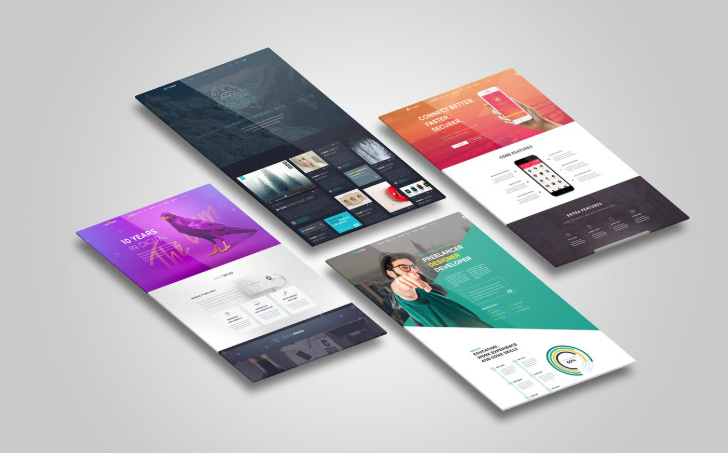
Design isn’t just about aesthetics. It’s about creating an environment where visitors take action. Let’s explore how design choices can drive conversions and improve your site’s performance.

Prioritizing Core Web Vitals and Page Speed

Core Web Vitals are essential metrics that measure user experience. Focus on page speed optimization to improve load times. A fast-loading site not only enhances user satisfaction but also ranks better in search results.

Use tools like Google PageSpeed Insights to identify areas for improvement. By optimizing images, leveraging browser caching, and minimizing JavaScript, you can significantly boost your site’s speed and user experience.

Implementing Mobile-First and Responsive Design

A mobile-first approach ensures your site performs well on all devices. Design your site with mobile users in mind, ensuring readability and navigation are seamless. Responsive web design is crucial for adapting to various screen sizes.

By focusing on mobile-friendly design, you cater to a broader audience. This approach not only enhances user experience but also improves your site’s rankings, as search engines prioritize mobile-friendly sites.

Focusing on Conversion Rate Optimization Techniques

Conversion Rate Optimization (CRO) is about turning visitors into customers. Start with landing page design. Ensure your calls to action (CTAs) are clear and compelling. Place them strategically, encouraging users to take action.

Use heatmaps and session recordings to understand user behavior. These insights help refine your design, ensuring that key elements attract attention. With a focus on CRO, you transform your site into a powerful lead generation tool.

Frequently Asked Questions

What is website structure, and why is it important?
Website structure is the organization of your site’s content. It’s crucial because it affects how search engines crawl your site and how users find information.

How can I improve my site architecture for SEO?
Prioritize a clear hierarchy, use internal linking, and implement schema markup. These elements help search engines understand your site and improve its ranking.

What are Core Web Vitals, and why do they matter?
Core Web Vitals measure user experience aspects like loading speed and interactivity. They matter because they impact both user satisfaction and search engine rankings.

Why is mobile-first design crucial for my website?
A mobile-first design ensures your site is accessible and functional on all devices. It improves user experience and boosts rankings, as search engines favor mobile-friendly sites.

How do internal links benefit my website?
Internal links connect your content, enhancing navigation and distributing page authority. They help search engines index your site, improving SEO performance.

Let’s take care of your website today
Rank and Convert: The Complete Service Page Blueprint for Ogden Businesses 640 477 ignacio@mcval.net

Rank and Convert: The Complete Service Page Blueprint for Ogden Businesses

Most service pages miss the mark by focusing solely on rankings or conversions—but not both. Your page can attract local Ogden traffic and turn visitors into paying customers when it balances service page SEO with conversion rate optimization. This blueprint reveals the exact structure, copy, and technical elements your service page needs to succeed and why SolidifyWeb stands ready to build it with you. For more insights on creating service pages that rank and convert, see this article.

Building the Perfect Service Page

Creating the perfect service page demands a balance between search visibility and conversion power. Understanding the principles of service page SEO and conversion rate optimization (CRO) is essential for success.

Understanding Service Page SEO

To rank high on search engines, your service page requires targeted SEO strategies. Service page SEO involves optimizing content and structure for search engines. Start with keyword research to discover terms potential customers use, like “Ogden web development” or “local SEO services.”

Focus on on-page SEO by including these keywords naturally in your headings, subheadings, and body text. Ensure your page has a clear URL structure and uses internal linking to related pages. These techniques help search engines understand and rank your content. For more guidance on SEO fundamentals, visit this resource.

Conversion Rate Optimization Essentials

Once your page ranks well, you need it to convert visitors into leads. Conversion rate optimization centers around making your page user-friendly and persuasive. Start by crafting compelling headlines and engaging content that addresses user pain points.

Offer clear call-to-action (CTA) buttons that guide users toward your desired action, such as filling out a contact form. Use A/B testing to experiment with different layouts and CTAs to see what converts best. Remember, the goal is to turn traffic into actionable leads for your business.

Structuring for User Intent

A service page should match the user’s intent, whether they seek information or are ready to buy. Begin by identifying your target audience’s needs and creating content that addresses those needs directly. Use clear sections and headers to make information easy to find.

Incorporate schema markup to provide search engines with detailed information about your page’s content. This can enhance your page’s appearance in search results and increase click-through rates. Structuring your page to align with user intent not only improves the user experience but also boosts your search engine rankings.

Design and Development Foundations

The design and development of a service page play a vital role in its performance. User-centric design, fast loading speeds, and technical SEO are key components that ensure your page delivers on its promises.

Essential Elements of Service Page Design

Effective service page design involves a clean, intuitive layout that guides users effortlessly. Start with a mobile-first design approach, ensuring your page looks great on all devices. This not only caters to a mobile audience but also meets search engines’ preferences for mobile-friendly sites.

Ensure your design includes trust signals like case studies, testimonials, and secure SSL certificates to build credibility. A well-designed page doesn’t just look good; it instills confidence and encourages users to take the next step.

Mobile First and Page Speed Optimization

A fast website is crucial for both user experience and search rankings. Implement page speed optimization techniques like image compression, browser caching, and minimizing code. These steps reduce load times and improve user satisfaction.

Adopting a mobile first design ensures your service page meets the needs of users on smartphones and tablets. With more people browsing on mobile devices, this approach is essential for maintaining a competitive edge.

Integrating Technical SEO and Schema Markup

Technical SEO involves optimizing your site’s backend to improve search visibility. Use schema markup to provide search engines with detailed information about your services, enhancing your page’s appearance in search results.

Ensure your site follows best practices for Core Web Vitals, focusing on loading speed, interactivity, and visual stability. These elements contribute to better search rankings and a smoother user experience. For more details on schema markup and its importance, check out this article.

Trust and Local Engagement Strategies

Building trust and engaging with your local audience are crucial for converting visitors into customers. Incorporate testimonials, leverage local SEO, and create effective CTAs to drive engagement.

Incorporating Trust Signals and Testimonials

Trust signals like case studies and testimonials showcase your credibility and reassure potential clients. Include real customer reviews and success stories to demonstrate your value.

Highlighting well-known clients or industry certifications can further enhance trust. These elements reassure visitors of your expertise and encourage them to choose your services over competitors.

Leveraging Local SEO Services

Local SEO services are vital for attracting nearby customers. Optimize your Google Business Profile and use local keywords in your content to improve visibility in local searches. Engaging with local directories and obtaining local citations can bolster your local SEO efforts.

By focusing on local SEO, you can tap into a targeted audience in Ogden, increasing your chances of converting local visitors into paying customers. To learn more about local SEO strategies, explore this helpful LinkedIn post.

Effective Calls to Action and Lead Generation

An effective call to action is crucial for lead generation. Create clear, compelling CTAs that encourage users to take the next step, whether it’s signing up for a newsletter or requesting a quote. Use action-oriented language that motivates visitors to act immediately.

Incorporate lead generation forms strategically throughout your page to capture visitor information. Offer value, such as a free consultation or downloadable resource, in exchange for contact details. This approach not only generates leads but also nurtures potential clients for future engagement.

Frequently Asked Questions

What is the importance of service page SEO?

Service page SEO is crucial because it helps your page rank higher in search engine results, making it more visible to potential customers. By optimizing your service page with relevant keywords, structured data, and internal linking, you enhance its chances of attracting targeted traffic and improving search visibility.

How can conversion rate optimization improve my service page?

Conversion rate optimization improves your service page by making it more user-friendly and persuasive. By using engaging content, clear calls to action, and A/B testing, you can increase the likelihood of turning visitors into leads or customers, ultimately boosting your business’s revenue and growth.

Why should I focus on mobile-first design for my service page?

Focusing on mobile-first design is essential because more users browse the internet on mobile devices. A mobile-first approach ensures your page is accessible and visually appealing on smartphones and tablets, providing a seamless user experience that meets both user expectations and search engine preferences.

What role do trust signals play on a service page?

Trust signals, such as testimonials and case studies, build credibility and reassure potential clients of your expertise and reliability. By showcasing successful projects and positive customer experiences, you increase the likelihood of visitors choosing your services over competitors.

How can local SEO benefit my business?

Local SEO enhances your business’s visibility in local search results, making it easier for nearby customers to find you. By optimizing your Google Business Profile and using local keywords, you can attract a targeted audience in your area, increasing your chances of converting local visitors into loyal customers.

Let’s take care of your website today
    Join our Newsletter

    We'll send you newsletters with news, tips & tricks. No spams here.

      Contact Us

      We'll send you newsletters with news, tips & tricks. No spams here.