The High-Performance Homepage: Built for SEO, Designed to Convert
Most homepages look good but fall short where it counts: ranking on Google and turning visitors into customers. Your homepage must follow homepage SEO best practices and conversion rate optimization to pull that off. This post breaks down the core elements every homepage needs to rank well and convert better, from Core Web Vitals to clear calls to action. Keep reading to learn how to build a homepage that works as hard as you do.
Essential Homepage Elements for SEO
To rank high and draw customers, a homepage needs precise elements. These elements create a foundation for effective SEO strategies. Let’s look into the essentials.
Homepage SEO Best Practices
Your homepage is the gateway to your business. It needs to be optimized to grab attention and rank on search engines. Start with clear and concise content. Keywords should flow naturally, making your message clear to both visitors and search engines. Don’t overstuff keywords; instead, integrate them seamlessly. Use headings and subheadings to break up text and highlight key points. This helps in elevating your content hierarchy and user experience.
Focus on schema markup to help search engines understand your content better. This structured data can enhance your visibility in search results. Also, ensure that your site is secure. HTTPS isn’t just a ranking factor; it builds trust with your audience. Remember, a well-optimized homepage sets the tone for the rest of your site. For more insights, check out this article on homepage elements.
Technical SEO Audit Insights
Performing a technical SEO audit is vital for identifying issues that may hinder your website’s performance. Start by checking your site’s load speed. A fast-loading site keeps visitors engaged. Tools like Google PageSpeed Insights can offer valuable data. Look out for broken links and fix them promptly. They disrupt user experience and can negatively impact your ranking.
Ensure your website’s architecture supports easy navigation. A well-structured site helps both users and search engines find relevant information quickly. Also, verify that your site works well on all browsers and devices. A responsive design ensures that your homepage looks good everywhere. Regular audits can prevent technical issues from affecting your search engine ranking.
Mobile-First Responsive Design Tips
With most web traffic coming from mobile devices, a mobile-first design is crucial. Make sure your homepage is easy to use on smaller screens. This begins with a simple, clean layout. Avoid clutter; keep essential information front and center.
Use large, readable fonts and buttons that are easy to tap. Your navigation should be straightforward, helping users find what they need without hassle. Also, test your site on various devices to ensure consistent performance. A responsive design not only improves user experience but also supports better SEO results.
Crafting a Conversion-Focused Homepage
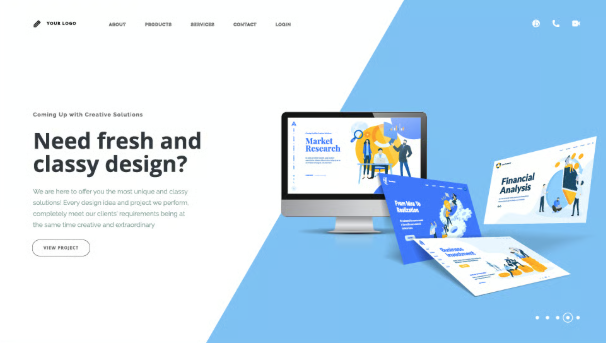
Once your homepage is optimized for SEO, it’s time to focus on conversions. A conversion-focused design engages visitors and encourages them to take action. Here’s how to achieve that.
Clear Calls to Action and Trust Signals
A well-designed homepage guides visitors toward a desired action. Your calls to action (CTAs) should be bold and clear. Use action-oriented language that tells the visitor exactly what to do. Place CTAs strategically; they should be easy to find without being overwhelming.
Incorporating trust signals like testimonials and reviews can enhance credibility. Most people trust peer reviews over direct marketing. Displaying these on your homepage reassures potential customers about your reliability. Social proof can tip the scale in your favor.
Hero Section Optimization Strategies
The hero section is the first thing visitors see. It needs to make an impact. Use high-quality images or videos that represent your brand. The message here should be concise and compelling, highlighting the key benefits of your offering.
Your hero section should also include a primary CTA. This encourages immediate action and sets the tone for the visitor’s journey on your site. Regular testing and updates in this section can continually improve engagement and conversions. For more details, explore hero section optimization tips.
Conversion Rate Optimization Techniques
To boost conversions, focus on conversion rate optimization (CRO) techniques. Start by analyzing user behavior with tools like heatmaps to see where visitors engage most. This data helps in refining your layout and content placement.
A/B testing different versions of your homepage can provide insights into what works best. Test elements like headlines, images, and CTAs. Small changes can lead to significant improvements in conversion rates. Consistently apply these techniques to keep your homepage performing at its best.
Local SEO and Performance Enhancements

Enhancing your homepage doesn’t stop at global SEO. Local SEO and performance improvements are equally essential. Let’s explore how these elements contribute to your homepage’s success.
Local SEO for Ogden Businesses
For businesses in Ogden, local SEO can drive more traffic from your target area. Start by claiming and optimizing your Google Business Profile. This boosts your visibility in local searches and maps. Encourage satisfied customers to leave reviews. These enhance your profile’s credibility and attract more local traffic.
Use local keywords naturally in your content. This includes not just the homepage, but also other critical pages of your site. Local SEO is about connecting with nearby customers and turning them into loyal patrons.
Page Speed Optimization and Core Web Vitals
Page speed optimization is crucial for both user experience and ranking. A slow site can deter visitors, increasing bounce rates. Use tools to identify and fix issues like large images or unnecessary scripts that slow down your site.
Core Web Vitals are key metrics for page performance, focusing on user experience. These include loading, interactivity, and visual stability. Ensuring these vitals are optimized can enhance both SEO and user satisfaction. For a deeper dive into these aspects, read this post on high-converting websites.
Integrating Google Business Profile and Internal Linking Strategy
Integrating a Google Business Profile with your website enhances visibility. It connects your online presence with local search, offering potential customers more ways to reach you. Ensure your profile is complete and regularly updated.
An effective internal linking strategy improves navigation and helps distribute page authority throughout your site. Use descriptive anchor text and link to relevant content. This not only aids in SEO but also enhances user experience by providing easy access to more information.
In conclusion, building a high-performance homepage requires a harmonious blend of SEO and conversion-focused elements. By implementing these strategies, you can create a site that not only ranks well but also converts visitors into customers. Let SolidifyWeb be your partner in this journey, crafting a homepage that truly works for you.
Let’s take care of your website today