Uncategorized

Before the Surge: What Your Scalable Website Foundation Must Include 1024 448 ignacio@mcval.net

Before the Surge: What Your Scalable Website Foundation Must Include

Traffic spikes catch most businesses off guard and slow down or crash their websites. Your scalable website foundation must handle sudden growth without losing speed or functionality. Building this kind of resilience means focusing on core elements like cloud hosting, caching strategy, and technical SEO before visitors flood your site. Keep reading to learn what your website needs to stay strong when traffic surges hit—and how SolidifyWeb, Ogden’s trusted developer, can help you prepare.

Building a Scalable Website Foundation

A strong website foundation is essential for managing increased traffic. Understanding key components ensures you are ready for any spike in visitors.

Key Components for Success

To build a scalable website, focus on several core elements. First, cloud hosting provides flexibility and can automatically adjust resources as traffic increases. This means your site remains fast and efficient during peak times. Second, implement a solid caching strategy. By storing frequently accessed data, caching reduces server load, ensuring pages load quickly for users. Lastly, prioritize database optimization. Streamlining database queries and indexing improves response times, enhancing user experience even when traffic is high.

Preparing for Traffic Spikes

Preparation is crucial for handling sudden traffic increases. Start with load testing to simulate high-traffic scenarios and identify potential bottlenecks. This allows you to optimize your site before real users experience issues. Additionally, consider using a Content Delivery Network (CDN) to distribute content efficiently across geographic locations. A CDN reduces latency and improves speed, providing a smoother experience for visitors from all over the world. By planning ahead, you ensure your site stays robust under pressure.

Role of Ogden Web Developers

Local expertise can make a significant difference when preparing for traffic spikes. SolidifyWeb, based in Ogden, Utah, specializes in crafting scalable websites tailored to your needs. With their deep understanding of local business dynamics, they offer personalized solutions that align with your goals. Their team of developers can assess your current setup, recommend improvements, and implement strategies to boost your site’s performance. Partnering with local experts ensures you have ongoing support and peace of mind.

Enhancing Web Performance

Once your foundation is solid, focus on enhancing web performance for an exceptional user experience. These next steps will guide you through key aspects of optimization.

Core Web Vitals Importance

Core Web Vitals are vital metrics that measure user experience on your site. They include loading speed, interactivity, and visual stability. Prioritizing these metrics not only improves user satisfaction but also boosts your search engine rankings. Start by optimizing images and scripts for faster load times. Use tools like Google’s PageSpeed Insights to identify areas for improvement. By focusing on these metrics, you enhance both user experience and SEO performance.

Technical SEO Strategies

Effective technical SEO lays the groundwork for high visibility. Begin by improving site architecture to ensure search engines can easily crawl and index your pages. Use schema markup to provide context to search engines, enhancing your site’s appearance in search results. Additionally, implement CI/CD (Continuous Integration/Continuous Deployment) practices to streamline updates and maintain a robust site structure. These strategies help your site rank higher and attract more visitors.

Optimizing Mobile Experience

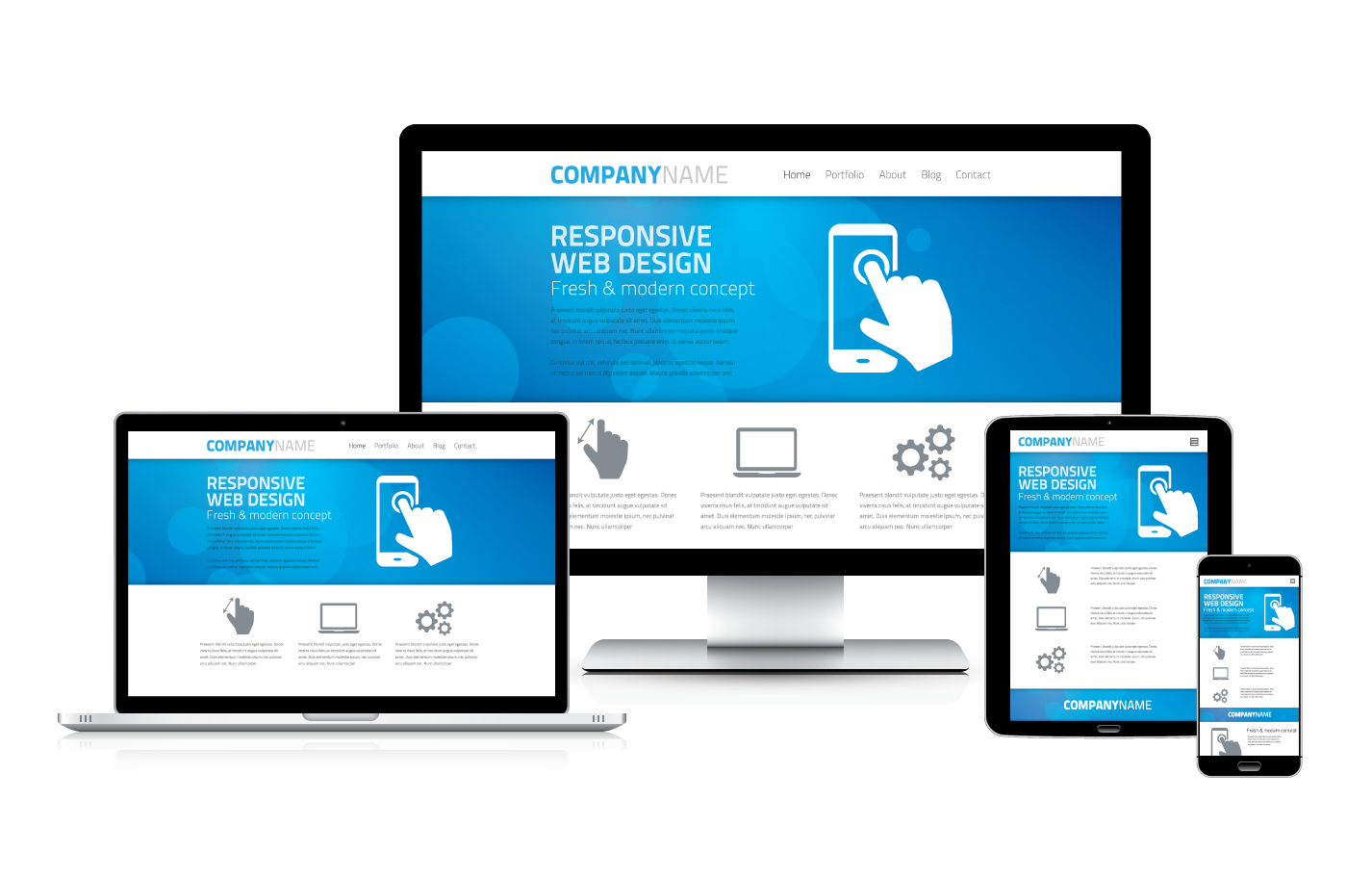
With more users accessing sites on mobile devices, optimizing for mobile is crucial. Start with responsive design to ensure your site looks great on all screen sizes. Focus on page speed optimization to keep mobile users engaged, as slow sites often lead to high bounce rates. Implement image optimization to reduce load times without sacrificing quality. Prioritizing mobile experience not only improves user satisfaction but also positively impacts your site’s search engine rankings.

Ensuring Security and Compliance

Security and compliance are critical aspects of maintaining a trusted online presence. Here’s how to safeguard your site and stay compliant with industry standards.

Implementing Security Best Practices

Protecting your website and user data is paramount. Start with basic security best practices like using WAF (Web Application Firewall) and SSL encryption. Regularly update software and plugins to patch vulnerabilities. Implement strong password policies and use two-factor authentication for added security. By prioritizing these practices, you create a safer environment for your users and protect your business from potential threats.

ADA Compliance and Accessibility

Ensuring that your site is accessible to all users, including those with disabilities, is not just ethical but also a legal requirement. Implement ADA compliance by following guidelines that improve accessibility. This includes providing text alternatives for images, ensuring keyboard navigability, and using accessible forms. Enhancing accessibility not only broadens your audience but also fosters goodwill and trust among users.

Monitoring and Alerts Setup

Finally, set up a robust monitoring and alerts system to stay informed about your website’s performance and security status. Use tools that provide real-time insights into traffic patterns, uptime, and potential security threats. Automated alerts can help you respond quickly to any issues, minimizing downtime and maintaining user satisfaction. By actively monitoring your site, you ensure it remains secure and performs optimally at all times.

In summary, building a scalable website foundation involves several key components, from technical SEO to security best practices. While tackling these elements, remember that SolidifyWeb is here to help you every step of the way, offering expertise and personalized solutions tailored to your business needs. Prepare now, and your site will be ready to handle future growth and traffic spikes with ease.

Let’s take care of your website today

Internal Linking Still Wins: Build a Smarter Site for Users and Search Engines 1024 590 ignacio@mcval.net

Internal Linking Still Wins: Build a Smarter Site for Users and Search Engines

Internal linking remains one of the most powerful tools to boost your site’s crawlability and user experience. When done right, internal links guide visitors smoothly across your content while spreading link equity where it counts. In this post, you’ll learn why a solid site architecture matters for both search engines and your users—and how SolidifyWeb’s strategies can turn internal linking into your strongest asset. For more insights on internal linking, check out this resource: [https://yoast.com/internal-linking-for-seo-why-and-how/].

Importance of Internal Linking

Internal linking is the linchpin of a well-structured site. It directs users to key content and helps search engines understand your site’s hierarchy. Let’s explore its benefits.

Enhancing User Experience

Internal links play a crucial role in improving user experience. They help visitors find relevant information quickly, reducing frustration. A well-planned internal linking structure encourages users to spend more time on your site, increasing dwell time. Imagine a visitor who lands on your blog about “digital marketing tips.” With strategic links, they can effortlessly navigate to related topics like “SEO best practices” or “social media strategies.”

  • Benefit: Smooth navigation keeps users engaged.

  • Tip: Use descriptive anchor text to guide users.

Boosting SEO Performance

Internal links are pivotal for SEO. They help search engines index your site efficiently, boosting crawlability. When search engines navigate your site with ease, they can rank your content better. Implementing a strong linking strategy can distribute link equity across pages, enhancing their visibility. SolidifyWeb excels in optimizing internal links to improve your site’s SEO performance.

  • Benefit: Improved search engine rankings.

  • Tip: Regularly update and audit your internal links for maximum impact.

Building Topical Authority

Building topical authority is essential for establishing your site as an industry leader. Internal links connect related content, helping search engines recognize your expertise. This strategy also aids users in discovering a wealth of information on your site. For example, a pillar page on “content marketing” can link to in-depth articles on “content creation” and “content promotion.”

  • Benefit: Increased trust and credibility.

  • Tip: Create comprehensive content hubs to strengthen topical authority.

Effective Internal Linking Strategies

Harnessing effective internal linking strategies can transform your website’s performance. Let’s dive into some actionable techniques.

Creating Content Hubs and Pillar Pages

Content hubs and pillar pages are central to an effective internal linking strategy. These pages act as comprehensive resources on a particular topic, linking to related content. For instance, a content hub on “web development” can include links to articles on “frontend development” and “backend development.” This setup not only organizes your content but also guides users through a logical journey.

  1. Identify Core Topics: Determine key subjects that align with your business goals.

  2. Develop Pillar Content: Create in-depth content that covers these topics comprehensively.

  3. Link Related Content: Connect smaller, related articles to your pillar pages.

Optimizing Anchor Text

Optimizing anchor text is a vital component of internal linking. The words you choose for your links should be descriptive and relevant. This helps users and search engines understand the linked content. For example, instead of using “click here,” use “learn more about SEO tactics” to provide context.

  • Benefit: Clearer understanding of linked content.

  • Tip: Vary your anchor text to avoid keyword stuffing.

Designing Breadcrumb Navigation

Breadcrumb navigation is a user-friendly feature that enhances navigation. It provides a clear path of where users are within your site, helping them backtrack if needed. This feature is particularly helpful for complex sites with multiple layers of content.

  • Benefit: Improved user satisfaction and reduced bounce rates.

  • Tip: Ensure breadcrumbs are consistently placed across your site.

Implementing and Measuring Success

Once you have solid internal linking strategies, it’s crucial to implement and measure their success. Here’s how.

Conducting Internal Link Audits

Regular internal link audits are essential for maintaining link relevance and effectiveness. During these audits, check for broken links and update outdated content. SolidifyWeb can assist with comprehensive link audits to ensure maximum SEO benefits.

  1. Identify Broken Links: Use tools to find and fix broken links.

  2. Evaluate Link Relevance: Ensure all links are relevant to current content.

  3. Update Regularly: Keep content and links fresh with regular updates.

Improving Crawlability and Indexation

Improving crawlability and indexation is a key goal of internal linking. A well-structured link strategy ensures search engines can index your entire site effectively. This boosts your site’s visibility and search rankings.

  • Benefit: Enhanced site visibility.

  • Tip: Use a sitemap to assist search engines in navigating your content.

Leveraging Ogden SEO Services with SolidifyWeb

SolidifyWeb offers specialized SEO services in Ogden, Utah, tailored to enhance your internal linking strategies. With a focus on quality and innovation, they help businesses improve crawlability and boost SEO performance. Partnering with SolidifyWeb ensures your site’s architecture supports long-term growth.

  • Benefit: Expert-led SEO improvements.

  • Tip: Regularly consult with SEO experts to stay ahead of trends.

By following these guidelines and leveraging SolidifyWeb’s expertise, you can maximize the potential of internal linking to enhance user experience and SEO performance. Embrace these strategies to build a smarter, more effective website that serves both your users and search engines.

Let’s take care of your website today

What Every Service Page Needs to Rank and Convert (Ogden Edition) 715 482 ignacio@mcval.net

What Every Service Page Needs to Rank and Convert (Ogden Edition)

Most service pages struggle to do one thing well: rank or convert. Trying to do both often means missing key elements that search engines and visitors demand. Your service page in Ogden needs precise SEO tactics and user-focused design to stand out. In this post, you’ll learn exactly what it takes to build pages that perform—capturing leads while climbing search rankings with smart service page SEO and conversion rate optimization. For more insights, check out this guide on creating service pages that rank and convert.

Essential SEO Elements

Understanding and implementing key SEO elements can make your service page stand out in search results. Let’s dive into what you need.

Keyword Mapping for Local SEO

To rank well in Ogden, your page should target specific local keywords. Start by identifying terms your audience searches for. This could include phrases like “Ogden web development” or “local SEO Ogden.” Use these keywords strategically throughout your content, ensuring they fit naturally. Additionally, include them in headings and image alt texts to boost visibility. A well-mapped keyword strategy aligns your content with search intent, making it easier for potential customers to find you.

Structured Data and Schema Markup

Structured data helps search engines understand your page better. Implementing schema markup can enhance your listings with rich snippets, making them more attractive to users. For instance, local business schema can display your address, phone number, and working hours right in the search results. This not only improves visibility but also builds trust with users. Google provides a starter guide to help you get started with structured data.

Technical SEO Must-Haves

Technical SEO ensures your site is search engine friendly. Focus on optimizing your site’s speed, ensuring mobile compatibility, and maintaining secure connections with SSL. These elements are part of Google’s Core Web Vitals, which impact your ranking. Use tools like Google Search Console to monitor and fix issues such as crawl errors or slow loading pages. A technically sound website enhances user experience and search engine rankings.

Conversion Rate Optimization Tips

Once you’ve attracted visitors to your page, the next step is converting them. Here are some tactics to boost your conversion rate.

Crafting Persuasive Content

Your content should speak directly to your audience’s needs. Start by addressing common pain points and offering solutions. Use a conversational tone to build trust and encourage action. Break content into short paragraphs for easy reading. Include stats or quotes that validate your claims. The goal is to guide the reader toward a decision confidently, knowing they’re in competent hands.

Designing Effective CTAs

A strong call-to-action (CTA) can significantly impact conversions. Design CTAs that are clear and compelling. Use action-oriented words like “Get Started” or “Schedule a Consultation.” Place them strategically on your page, such as after presenting a solution or benefit. A sticky CTA that follows the user as they scroll can increase visibility and engagement.

A/B Testing and Heatmaps

Testing different elements of your page helps optimize performance. Use A/B testing to compare versions of your CTAs or headlines. Heatmaps can show where users click or how far they scroll, revealing areas that need improvement. Regularly testing and analyzing results can lead to insights that drive higher conversions. Tools like Google Analytics 4 provide valuable data for these tests.

User Experience Best Practices

A seamless user experience keeps visitors on your page longer and encourages them to return.

Mobile-First and Page Speed

Most users access websites via mobile devices. Ensure your service page is responsive, adapting to different screen sizes without sacrificing functionality. Optimize images and use efficient coding to decrease load times. Faster pages improve user satisfaction and ranking potential, as speed is a Google ranking factor.

Accessibility and Trust Signals

Your website should be accessible to everyone, including users with disabilities. Follow WCAG guidelines for accessibility, such as using alt text for images and ensuring keyboard navigation. Trust signals, like client testimonials or industry certifications, can further build credibility. These elements assure visitors of your reliability and professionalism.

Engaging with Testimonials and Case Studies

Real-life success stories can persuade potential clients to choose your services. Showcase testimonials that highlight positive customer experiences. Case studies provide detailed insights into how your services have solved problems or achieved results. This type of social proof can significantly influence decision-making, offering reassurance that your business delivers on its promises.

By implementing these SEO and CRO strategies, your service page can effectively rank and convert, driving growth and success for your business in Ogden.

Let’s take care of your website today
How to Choose a Website Structure That Ranks and Converts 1024 590 ignacio@mcval.net

How to Choose a Website Structure That Ranks and Converts

Most websites fail to turn visitors into customers because their structure confuses both users and search engines. Your website’s structure is the backbone that guides Google’s crawl and your visitor’s journey. Getting it right means better rankings and clear paths to conversion. Let’s break down how to choose a site architecture that works for your business and boosts your SEO Ogden efforts.

Structuring for SEO and Conversion

A well-structured website not only pleases search engines but also guides visitors smoothly towards conversion. It’s about creating a roadmap that aligns with business goals and user needs.

Importance of Website Structure

Your website’s structure can make or break your online success. It influences how search engines index your site and how users interact with it. Proper structuring ensures that your content is easily accessible, improving both visibility and user satisfaction. When visitors can navigate your site effortlessly, they’re more likely to stay longer and take desired actions.

Key Elements of Site Architecture

Effective site architecture includes intuitive navigation, clear hierarchy, and logical URL structures. Begin by organizing your content into categories and subcategories. Each should have its own dedicated page with relevant keywords. This approach helps search engines understand your site better and makes it easier for users to find what they need.

For instance, a local restaurant might have separate pages for menus, reservations, and contact information. Each page should be easy to find through straightforward menus or links.

Enhancing User Flow to Conversion

Guiding users to conversion requires thoughtful design. Start with a clear call-to-action (CTA) on every page. Whether it’s signing up for a newsletter or making a purchase, your CTAs should be visible and compelling. Use contrasting colors and strategic placement to draw attention.

Consider also the user’s journey: what steps do they need to take before converting? Streamline this process by minimizing distractions and providing clear, concise information. The shorter the path to conversion, the better.

Technical SEO and User Experience

Beyond structure, technical SEO plays a crucial role in site performance. Focus on aspects that help search engines understand and rank your site effectively.

Improving Crawlability and Indexation

Crawlability refers to search engines’ ability to navigate and index your site. Ensure that your robots.txt file and sitemap are correctly configured. These elements guide search engines on which pages to index, enhancing visibility.

Avoid common pitfalls like duplicate content or broken links, as they can hinder indexation. Regular audits can help identify and fix these issues, maintaining a smooth crawl.

Leveraging Schema Markup

Schema markup is a powerful tool for enhancing search visibility. It provides additional context to search engines, resulting in rich snippets that stand out in search results. Implementing schema can improve click-through rates by making your listings more informative and attractive.

For example, adding schema to a product page could display price, availability, and reviews directly in search results, enticing more clicks.

Core Web Vitals and Page Speed

Page speed is critical for both SEO and user experience. Slow-loading pages can lead to high bounce rates and lost conversions. Optimize images, leverage browser caching, and use fast hosting to improve load times.

Core Web Vitals, a set of metrics related to speed and user interaction, are essential for ranking. Regularly monitor and optimize these metrics to ensure a smooth and fast user experience.

Strategic Keyword and Content Planning

Keywords remain a cornerstone of SEO. Proper planning ensures that your content aligns with user intent and search engine requirements.

Effective Keyword Mapping and Topical Clusters

Keyword mapping involves assigning target keywords to specific pages. This strategy ensures that each page has a focused theme, improving its relevance and ranking potential. Organize content into topical clusters around primary keywords, linking related pages together.

This approach enhances topical authority and guides users through a logical content journey. For example, a gardening site might cluster content around themes like “organic gardening” or “pest control,” linking related articles within each cluster.

Building a Silo Structure with Internal Linking

A silo structure groups related content, enhancing both SEO and user experience. Use internal links to connect pages within the same silo, reinforcing topical relevance and guiding users to comprehensive information.

Internal linking also helps distribute page authority, boosting overall site performance. Ensure that links are natural and provide value, guiding users to explore more content.

Crafting a Local SEO Content Strategy

For businesses targeting local markets, local SEO is crucial. Create content that resonates with local audiences, incorporating local keywords naturally. Highlight community involvement or local events to strengthen connections with your audience.

Local SEO also involves optimizing Google Business Profiles and building local citations. These efforts increase visibility in local search results, driving more foot traffic and online interactions.

In conclusion, choosing the right website structure is key to boosting SEO and conversions. By focusing on intuitive navigation, technical optimization, and strategic content planning, you can create a site that ranks well and engages users effectively. Take these insights and apply them to your web development strategy to ensure your site supports both search engines and visitors alike.

Let’s take care of your website today

Scalable From Day One: The Website Foundation You Need Before Traffic Grows 1024 683 ignacio@mcval.net

Scalable From Day One: The Website Foundation You Need Before Traffic Grows

Most websites crumble under rising traffic because they lack the right foundation. You need a scalable website built to handle growth from day one—before visitors overwhelm your server or slow your page speed. In this post, you’ll learn the essential elements of a website foundation that supports performance, security, and SEO as your audience expands.

Building a Scalable Website

Every website begins with a foundation, and getting it right is crucial for growth. Let’s explore the essential elements that ensure your site can handle increased traffic without a hitch.

Essential Website Foundation

A strong foundation is key to a scalable website. It starts with choosing the right hosting provider. Look for cloud hosting that offers flexibility and high availability. If you’re operating in Ogden, local options might provide added benefits. Next, consider the content management system that aligns with your needs. Platforms like WordPress and Webflow are popular due to their user-friendly interfaces and scalability.

Key Elements for Growth

To grow, your site needs more than just a solid foundation. Focus on using a headless CMS for better control and flexibility. This allows you to deliver content efficiently across multiple channels. Additionally, integrating a CDN ensures faster load times, improving user experience regardless of geographic location. Remember, every second counts when it comes to keeping visitors engaged and reducing bounce rates.

Preparing for Increased Traffic

As your audience expands, your website should be ready to handle the surge. Regular performance audits can identify bottlenecks before they become issues. Also, consider implementing automated testing to ensure new features don’t disrupt existing functionality. Preparation today can prevent headaches tomorrow as your business grows.

Technical SEO and Performance

Technical SEO plays a crucial role in your website’s performance. Understanding its components helps you make informed decisions that boost your site’s visibility and user experience.

Core Web Vitals Explained

Core Web Vitals are key metrics that Google uses to evaluate user experience. They focus on loading speed, interactivity, and visual stability. A site that scores well here often ranks higher, which means more visibility and potential traffic. Don’t underestimate the power of these Core Web Vitals in improving how users interact with your site.

Page Speed Optimization Tips

Optimizing page speed is vital. Start by compressing images to reduce load times. Use tools like Google’s PageSpeed Insights to pinpoint areas for improvement. Additionally, lazy loading can improve performance by delaying the loading of non-critical resources. By addressing these areas, your site stays fast, keeping users happy and engaged.

Importance of Structured Data

Structured data enhances your site’s search visibility. It helps search engines understand your content, leading to better indexing and potentially higher rankings. Implementing a structured data schema can also enhance how your pages appear in search results, such as rich snippets. This not only boosts visibility but also click-through rates.

Security and Maintenance

Security and regular maintenance are non-negotiable for a website’s longevity. Without them, you risk losing credibility and user trust.

Web Security Hardening Basics

Begin with basic security measures like HTTPS and regular updates. Employ firewalls to protect against unauthorized access. Consider web security hardening practices to fortify your defenses. Remember, a secure website builds trust and encourages users to engage with your brand.

CI/CD for Websites

Continuous Integration and Continuous Deployment (CI/CD) streamline updates and improvements. They ensure that new features are tested and deployed quickly, keeping your website running smoothly. This process reduces downtime and improves overall efficiency, a critical component for scalable sites.

Effective Content Governance

Governance is about managing your content effectively. Establish clear guidelines for content creation, review, and publication. This ensures consistency and quality, which are vital for maintaining your brand’s voice and message. With proper content governance, your website remains relevant and up-to-date, supporting long-term growth.

In conclusion, building a scalable website requires a proactive approach. From the right foundation to technical SEO, every element plays a role in your site’s ability to handle growth. Stay ahead by continually optimizing and securing your website, ensuring it remains a valuable asset in your digital strategy.

Let’s take care of your website today

Rank and Convert: The Service Page Blueprint That Wins Search and Sales 1024 682 ignacio@mcval.net

Rank and Convert: The Service Page Blueprint That Wins Search and Sales

Most service pages either rank on Google or convert visitors—but rarely both. That split means missed leads and wasted traffic. Your service page SEO needs to pull double duty: climbing search results while turning clicks into customers. In this post, you’ll find the blueprint to rank and convert, backed by SolidifyWeb’s proven approach to high-performance web development and CRO for service pages.

Building the Perfect Service Page

Creating a service page that ranks high and converts well is no small feat. But when done right, it can become a powerful tool for your business. Let’s break down the components that make this possible.

Key Elements of Service Page SEO

To start, your service page needs to attract search engines. This begins with targeted keywords. An effective strategy involves using terms your audience searches for, like “service page SEO” or “Ogden web development.” A good rule of thumb is to use the primary keyword naturally in your content. For instance, 75% of users never scroll past the first page of search results. This shows how crucial it is to rank well.

In addition, your meta descriptions, headers, and alt tags should all include these keywords. This helps search engines understand what your page is about. For more tips, check out this guide on SEO basics.

Conversion-Focused Design Strategies

Now that you’ve drawn in visitors, it’s time to keep them engaged. A clean, user-friendly design is vital. Start by ensuring easy navigation. Your visitors should find what they need without effort.

Next, use compelling calls to action (CTAs). These guide users to take the next step, whether it’s contacting you or making a purchase. Our experience shows that clear, direct CTAs can boost conversions by up to 30%.

Finally, invest in high-quality visuals. Images and videos should support your message and not slow down your site. Faster loading times improve user experience, leading to higher conversion rates.

Enhancing User Experience and Engagement

A successful service page also considers the user’s journey. Let’s explore how to make it more engaging and user-friendly.

Mobile-First Design Principles

With more than 50% of web traffic coming from mobile devices, designing for mobile first is essential. Your site must look and function well on any screen size. Start by simplifying your design. Remove clutter and keep important information at the top.

Test your site on various devices to ensure it’s responsive. Tools like Google’s Mobile-Friendly Test can help. Remember, a smooth mobile experience can significantly impact your conversion rates.

Conversion-Focused Copy and Trust Signals

Words matter. Your service page copy should be clear and persuasive. Speak directly to your audience’s needs and pain points. Use simple language that resonates with them. For example, instead of saying “improve efficiency,” try “get more done in less time.”

Trust signals, such as testimonials and case studies, are also crucial. They reassure visitors of your credibility. Did you know that 84% of people trust online reviews as much as personal recommendations? Highlighting positive feedback can tip the scales in your favor.

Technical SEO and Performance

For a service page to excel, its technical foundation must be strong. Here’s how to ensure peak performance.

Page Speed Optimization Techniques

Site speed is a key factor in SEO and user experience. A one-second delay in page load time could lead to a 7% reduction in conversions. Start by compressing images and using browser caching. These steps can drastically reduce load times.

Another method is to minimize your CSS and JavaScript files. This makes your site lighter and faster. For a deeper dive into page speed, check out this SEO resource.

Internal Linking Strategy and Schema Markup

Internal links help search engines navigate your site and understand its structure. They also keep visitors on your site longer by guiding them to related content. Use descriptive anchor text for your links to improve SEO and user experience.

Additionally, implement schema markup. This code helps search engines return more informative results to users. It can improve your search presence by providing extra details, like business hours and reviews. For a comprehensive guide, see this SEO starter tutorial.

In conclusion, a service page that ranks and converts requires a blend of smart SEO, engaging design, and solid technical performance. By implementing these strategies, your page can become a powerful asset for your business.

Let’s take care of your website today

Technical SEO Starts in Development: How Early Decisions Shape Your Search Visibility 731 454 ignacio@mcval.net

Technical SEO Starts in Development: How Early Decisions Shape Your Search Visibility

Most technical SEO problems start before a single line of code is written. Early development choices shape how search engines crawl, index, and rank your site. If your site architecture or page speed optimization isn’t planned right, you’re already behind. At SolidifyWeb, we help Ogden businesses fix these hidden issues and build search-ready websites from the ground up. Keep reading to learn how solid development decisions boost your search visibility. For further insights, you might find this article on technical SEO challenges on large websites useful.

Development Decisions Impact SEO

The choices made during the development phase have a significant effect on your website’s visibility. Let’s explore the main areas where these decisions play a crucial role.

Importance of Site Architecture

Your site’s structure is the backbone of your online presence. A clear, logical layout helps search engines understand your content. This boosts your site’s ranking potential. Imagine your site as a well-organized library. Each section should have a clear purpose, making it easy for visitors and search engines alike to find what they need. A poorly structured site can confuse search engines, reducing your visibility.

Start by mapping out your main pages. Ensure that each page has a clear path from the homepage. Use internal linking to connect related content, guiding both users and search engines through your site. For more on this topic, check out this guide on fixing technical SEO issues.

Core Web Vitals and Page Speed

Page speed is a critical part of user experience and SEO. Slow-loading pages can frustrate visitors and lead to higher bounce rates. Aim for your pages to load in under three seconds. This isn’t just for convenience; it’s a ranking factor in Google’s algorithm. The Core Web Vitals, which include loading, interactivity, and visual stability, are essential metrics to monitor.

To improve, optimize images and leverage browser caching. Compress files and use a content delivery network (CDN) to speed up delivery. Regularly test your site’s speed using tools like Google’s PageSpeed Insights to identify areas for improvement.

Server-Side Rendering Explained

Server-side rendering (SSR) can enhance your site’s performance and SEO. It involves generating the HTML for your web pages on the server rather than the client. This approach can speed up page loading and improve crawlability. SSR is particularly beneficial for sites with dynamic content, as it ensures that search engines can access all your pages effectively.

However, SSR requires careful implementation to avoid common pitfalls like increased server load. Consider working with a skilled developer who understands the nuances of SSR. For a deeper dive, explore this resource on technical SEO issues.

Key Technical SEO Components

Understanding the components of technical SEO is vital for any website owner. Here, we break down the key elements you need to focus on.

Understanding JavaScript SEO

JavaScript can enhance user experience but can also create challenges for SEO. Not all search engines can effectively crawl JavaScript-heavy sites, which may lead to indexing issues. To mitigate this, ensure critical content is accessible without JavaScript. You can also use tools like Google’s Search Console to check which pages are being indexed properly.

Progressive enhancement, where basic content is loaded first with JavaScript adding extra features, can help improve accessibility. This approach ensures that your site remains functional and readable even if JavaScript fails to execute.

Role of Structured Data

Structured data helps search engines understand your content better. By using schema markup, you can provide additional context to your pages. This can lead to enhanced search results, like rich snippets, which can increase click-through rates.

Start by identifying the key elements of your site that could benefit from structured data, such as products, reviews, or events. Implementing structured data correctly can significantly boost your site’s visibility in search results.

Effective Redirect Strategy

Redirects are crucial when you’re making changes to your site. They ensure that users and search engines find your content, even if URLs have changed. Use 301 redirects for permanent moves to pass on SEO value to the new page. Avoid using too many redirects in a chain, as this can slow down page load time.

When planning a site overhaul or migration, ensure that all old URLs point to their new counterparts. This helps maintain your site’s ranking and user experience. For insights on managing these elements, consider this article on technical SEO issues.

Solutions by SolidifyWeb

SolidifyWeb offers comprehensive solutions to tackle technical SEO challenges. Let’s look at how we can help optimize your site.

Comprehensive Technical Audits

Our technical audits identify hidden issues that could be affecting your site’s performance. From crawl errors to mobile usability problems, we leave no stone unturned. Regular audits help keep your site in top shape, ensuring it meets the latest search engine standards. By addressing these issues early, you can prevent bigger problems down the line.

Custom Web Development for SEO

We build websites with SEO in mind from the ground up. Our custom development services focus on creating fast, secure, and search-friendly sites. Whether you’re starting from scratch or revamping an existing site, our team ensures that your website is optimized for search engines and users alike.

Local SEO in Ogden: Benefits and Strategies

For businesses in Ogden, local SEO is key to connecting with nearby customers. We specialize in optimizing your local presence, ensuring that your business appears in local searches. From Google Business Profile optimization to local keyword targeting, we help you stand out in your community.

By focusing on these strategies, SolidifyWeb helps you build a strong, search-ready foundation that supports your business growth. With our comprehensive approach, you can turn your website into a powerful tool for attracting and retaining customers.

Let’s take care of your website today

Win Local Search with Clear Page Architecture: A Practical Guide for Ogden Businesses 715 478 ignacio@mcval.net

Win Local Search with Clear Page Architecture: A Practical Guide for Ogden Businesses

Most Ogden businesses struggle to get noticed online because their site’s page architecture is a mess. When search engines can’t crawl your site easily, you lose valuable local SEO rankings and potential customers. This guide shows how clear page architecture boosts your site’s crawlability, user experience, and conversions—setting you apart from competitors. Let’s explore practical steps to build a smarter IA blueprint that drives results for your Ogden business. Learn more about optimizing your Google Business Profile to enhance local visibility.

Boost Local Visibility with Page Architecture

A well-structured website can significantly impact your local visibility. By focusing on page architecture, you give your business a better chance to stand out in search results. Whether you’re a local shop or a large enterprise in Ogden, clear site structure is crucial.

Enhance Crawlability and Indexation

First, let’s tackle how search engines interact with your site. By organizing your pages properly, you help search engines like Google find and index your content. This means more chances for your site to appear in relevant searches.

  • Use an XML sitemap to guide search engines to all important pages.

  • Keep your robots.txt file updated to prevent search engines from crawling unnecessary pages.

Effective architecture doesn’t just help search engines; it improves the user journey too. When your site is easy to navigate, visitors find what they need faster, leading to better engagement and potentially more sales.

Improve User Experience and Conversions

Think about your website as a digital storefront. If visitors can’t find what they’re looking for quickly, they’ll move on. A clear site structure makes it easier for users to navigate and find key information.

  • Implement breadcrumbs to help users see their navigation path.

  • Ensure your URL structure is simple and descriptive.

A smooth user journey translates into higher conversion rates. When users can navigate freely, they’re more likely to take action, whether that’s making a purchase or signing up for a newsletter.

SolidifyWeb: Your Ogden Web Partner

We at SolidifyWeb are committed to helping Ogden businesses like yours succeed online. Our expertise in web development and SEO ensures your site doesn’t just look good but performs well too.

With our help, your site can become a powerhouse of local SEO. From initial site audits to full-scale redesigns, we’re here to support your digital growth journey.

Key Elements of Effective Site Architecture

Now, let’s dive into the components that make up effective site architecture. These elements are vital for building a solid foundation for your website.

Structuring an IA Blueprint for Success

Creating an Information Architecture (IA) blueprint is like drafting a roadmap for your site. It guides how information is organized and helps in crafting a seamless user experience.

  • Start with a clear hierarchy: Organize content from general to specific.

  • Utilize categories and subcategories to keep things tidy.

A well-thought-out IA blueprint ensures that both users and search engines can easily access your content. This strategic approach helps establish your site as a trusted resource in your area.

Leveraging Internal Linking and Silo Structures

Internal linking is crucial for boosting your site’s SEO and user engagement. By connecting related pages, you help users discover more of your content and keep them on your site longer.

  • Use silo structures to group related content and strengthen topical authority.

  • Ensure links are naturally integrated within your content.

Effective internal linking can boost your site’s credibility and authority, which are key factors in improving your search engine rankings.

Optimize URL Structures and Breadcrumbs

Your URL structure is a silent communicator. It tells users and search engines what your page is about before they even click. Similarly, breadcrumbs offer a visual trail of the user’s journey.

  • Keep URLs short and descriptive: Include primary keywords naturally.

  • Implement breadcrumbs for easy navigation.

These simple adjustments can significantly enhance user experience and boost your site’s performance in search results.

Technical SEO Tips for Ogden Businesses

Technical SEO is a must for any business aiming to improve its online presence. It focuses on the backend elements that affect how search engines find and rank your site.

Implementing Schema Markup and Structured Data

Using schema markup is like giving search engines a cheat sheet for your content. It helps them understand and display your information effectively.

By implementing schema markup, you can enhance the way your content appears in search results, making it more attractive to users.

Mobile-First Design and Core Web Vitals

In today’s digital world, a mobile-first approach is non-negotiable. With most users browsing on mobile devices, your site should perform well across all devices.

  • Focus on page speed optimization for faster load times.

  • Monitor Core Web Vitals to ensure a smooth experience on mobile.

Mobile optimization isn’t just about appearance; it’s about performance too. Fast-loading pages keep users engaged and reduce bounce rates.

E-commerce SEO and Conversion Rate Optimization

For e-commerce businesses, SEO is about more than just bringing visitors to your site; it’s about turning those visitors into customers.

  • Optimize product descriptions and include primary keywords naturally.

  • Use clear call-to-actions to guide users through the purchasing process.

Improving your e-commerce SEO efforts can lead to higher conversion rates and a better bottom line. By focusing on these elements, you can create a powerful online store that drives sales.

In conclusion, a clear and effective page architecture is crucial for boosting your local visibility in Ogden. By implementing these strategies, you can enhance your site’s crawlability, improve user experience, and increase conversions. Whether you’re a small business or a large enterprise, these steps will set you on the path to online success.

Let’s take care of your website today

Website Content Strategy That Compounds: Plan for Long-Term Organic Growth 1024 683 ignacio@mcval.net

Website Content Strategy That Compounds: Plan for Long-Term Organic Growth

Most websites waste months building content that barely moves the needle. You’ve probably faced this—spending hours on posts with little to show for it. A smart website content strategy focuses on search intent, topic clusters, and internal linking to grow traffic steadily over time. Keep reading to see how SolidifyWeb crafts plans that build lasting organic growth, tailored for businesses in Ogden and beyond. For more insights, check out this guide on organic growth strategies for an online news blog.

Building a Long-Term Content Strategy

Creating a strategy for website content isn’t just about producing more content. It’s about crafting a plan that delivers sustained growth.

Understanding Organic Growth

At the heart of long-term success is understanding how organic growth works. It involves building content that attracts visitors naturally over time, without relying on paid promotions. This approach focuses on understanding your audience and crafting content that resonates with their needs and search behaviors. By consistently delivering value, you can build a loyal audience and improve your site’s visibility on search engines. Most businesses struggle here because they focus too much on quantity and not enough on quality. A well-thought-out strategy addresses this by aligning content with user intent and search trends.

Identifying Target Keywords

Finding the right keywords is crucial for organic growth. It starts with researching what your audience is searching for. Use tools like Google Search Console and GA4 analytics to find high-traffic, low-competition keywords. These keywords should reflect the questions and problems your customers are trying to solve. When you target these keywords, you increase your chances of ranking higher in search results. But remember, it’s not just about stuffing keywords into your content. They need to fit naturally, providing real answers to users’ queries. This is where SEO planning can aid your strategy by providing structured processes for keyword research and content development.

Structuring Content for Success

Once you understand your audience and keywords, the next step is organizing your content effectively.

Topic Clusters and Pillar Pages

One effective way to organize your content is through topic clusters. This approach involves creating a central pillar page that covers a broad topic in-depth and linking it to several related content pieces. This structure helps search engines understand the relationship between content pieces, boosting your site’s overall authority. For example, a pillar page on “website content strategy” could link to posts on keyword research, content briefs, and SEO content. Each piece supports the main topic while offering detailed insights. This method not only enhances SEO but also improves user experience by providing a comprehensive resource hub.

Crafting Effective Content Briefs

A well-crafted content brief is like a roadmap for creating valuable content. It outlines the purpose, target audience, primary keywords, and structure for each piece. Start by defining your content’s goal: Is it to inform, persuade, or entertain? Then, identify your target audience’s needs and how your content can address them. Including specific keywords ensures that your content aligns with search intent. Finally, detail the structure, including headings, subheadings, and key points. This process ensures consistency and quality, making content creation more efficient and effective.

Enhancing SEO and Technical Elements

Optimizing your content for search engines goes beyond keywords. It involves technical elements that boost your site’s performance.

On-Page SEO and Internal Linking

On-page SEO focuses on optimizing individual pages to rank higher. This includes using keywords in titles, headers, and meta descriptions. But it doesn’t stop there. Internal linking is equally important. By linking relevant content within your site, you help search engines understand the relationship between pages. This not only improves navigation but also distributes page authority across your site. The more internal links you have, the easier it is for users and search engines to find your content. For a deeper dive into these strategies, check out this resource.

Importance of Schema Markup and Core Web Vitals

Technical SEO elements like schema markup and Core Web Vitals are crucial for optimal performance. Schema markup helps search engines understand and display your content in rich snippets, enhancing visibility in search results. Core Web Vitals measure your site’s loading speed, interactivity, and visual stability. These aspects directly impact user experience and search rankings. Ensuring your site meets these standards can significantly boost your SEO efforts. For more on optimizing these elements, read this ultimate guide to SEO.

In conclusion, building a content strategy that supports long-term organic growth requires a focus on quality, structure, and technical optimization. By understanding your audience, aligning content with search intent, and enhancing technical elements, you create a robust strategy that compounds traffic and leads over time. SolidifyWeb is here to guide you through this process, offering expertise in web development and SEO tailored to your business needs.

Let’s take care of your website today

The High-Performance Homepage: Built for SEO, Designed to Convert 716 451 ignacio@mcval.net

The High-Performance Homepage: Built for SEO, Designed to Convert

Most homepages look good but fall short where it counts: ranking on Google and turning visitors into customers. Your homepage must follow homepage SEO best practices and conversion rate optimization to pull that off. This post breaks down the core elements every homepage needs to rank well and convert better, from Core Web Vitals to clear calls to action. Keep reading to learn how to build a homepage that works as hard as you do.

Essential Homepage Elements for SEO

To rank high and draw customers, a homepage needs precise elements. These elements create a foundation for effective SEO strategies. Let’s look into the essentials.

Homepage SEO Best Practices

Your homepage is the gateway to your business. It needs to be optimized to grab attention and rank on search engines. Start with clear and concise content. Keywords should flow naturally, making your message clear to both visitors and search engines. Don’t overstuff keywords; instead, integrate them seamlessly. Use headings and subheadings to break up text and highlight key points. This helps in elevating your content hierarchy and user experience.

Focus on schema markup to help search engines understand your content better. This structured data can enhance your visibility in search results. Also, ensure that your site is secure. HTTPS isn’t just a ranking factor; it builds trust with your audience. Remember, a well-optimized homepage sets the tone for the rest of your site. For more insights, check out this article on homepage elements.

Technical SEO Audit Insights

Performing a technical SEO audit is vital for identifying issues that may hinder your website’s performance. Start by checking your site’s load speed. A fast-loading site keeps visitors engaged. Tools like Google PageSpeed Insights can offer valuable data. Look out for broken links and fix them promptly. They disrupt user experience and can negatively impact your ranking.

Ensure your website’s architecture supports easy navigation. A well-structured site helps both users and search engines find relevant information quickly. Also, verify that your site works well on all browsers and devices. A responsive design ensures that your homepage looks good everywhere. Regular audits can prevent technical issues from affecting your search engine ranking.

Mobile-First Responsive Design Tips

With most web traffic coming from mobile devices, a mobile-first design is crucial. Make sure your homepage is easy to use on smaller screens. This begins with a simple, clean layout. Avoid clutter; keep essential information front and center.

Use large, readable fonts and buttons that are easy to tap. Your navigation should be straightforward, helping users find what they need without hassle. Also, test your site on various devices to ensure consistent performance. A responsive design not only improves user experience but also supports better SEO results.

Crafting a Conversion-Focused Homepage

Once your homepage is optimized for SEO, it’s time to focus on conversions. A conversion-focused design engages visitors and encourages them to take action. Here’s how to achieve that.

Clear Calls to Action and Trust Signals

A well-designed homepage guides visitors toward a desired action. Your calls to action (CTAs) should be bold and clear. Use action-oriented language that tells the visitor exactly what to do. Place CTAs strategically; they should be easy to find without being overwhelming.

Incorporating trust signals like testimonials and reviews can enhance credibility. Most people trust peer reviews over direct marketing. Displaying these on your homepage reassures potential customers about your reliability. Social proof can tip the scale in your favor.

Hero Section Optimization Strategies

The hero section is the first thing visitors see. It needs to make an impact. Use high-quality images or videos that represent your brand. The message here should be concise and compelling, highlighting the key benefits of your offering.

Your hero section should also include a primary CTA. This encourages immediate action and sets the tone for the visitor’s journey on your site. Regular testing and updates in this section can continually improve engagement and conversions. For more details, explore hero section optimization tips.

Conversion Rate Optimization Techniques

To boost conversions, focus on conversion rate optimization (CRO) techniques. Start by analyzing user behavior with tools like heatmaps to see where visitors engage most. This data helps in refining your layout and content placement.

A/B testing different versions of your homepage can provide insights into what works best. Test elements like headlines, images, and CTAs. Small changes can lead to significant improvements in conversion rates. Consistently apply these techniques to keep your homepage performing at its best.

Local SEO and Performance Enhancements

Enhancing your homepage doesn’t stop at global SEO. Local SEO and performance improvements are equally essential. Let’s explore how these elements contribute to your homepage’s success.

Local SEO for Ogden Businesses

For businesses in Ogden, local SEO can drive more traffic from your target area. Start by claiming and optimizing your Google Business Profile. This boosts your visibility in local searches and maps. Encourage satisfied customers to leave reviews. These enhance your profile’s credibility and attract more local traffic.

Use local keywords naturally in your content. This includes not just the homepage, but also other critical pages of your site. Local SEO is about connecting with nearby customers and turning them into loyal patrons.

Page Speed Optimization and Core Web Vitals

Page speed optimization is crucial for both user experience and ranking. A slow site can deter visitors, increasing bounce rates. Use tools to identify and fix issues like large images or unnecessary scripts that slow down your site.

Core Web Vitals are key metrics for page performance, focusing on user experience. These include loading, interactivity, and visual stability. Ensuring these vitals are optimized can enhance both SEO and user satisfaction. For a deeper dive into these aspects, read this post on high-converting websites.

Integrating Google Business Profile and Internal Linking Strategy

Integrating a Google Business Profile with your website enhances visibility. It connects your online presence with local search, offering potential customers more ways to reach you. Ensure your profile is complete and regularly updated.

An effective internal linking strategy improves navigation and helps distribute page authority throughout your site. Use descriptive anchor text and link to relevant content. This not only aids in SEO but also enhances user experience by providing easy access to more information.

In conclusion, building a high-performance homepage requires a harmonious blend of SEO and conversion-focused elements. By implementing these strategies, you can create a site that not only ranks well but also converts visitors into customers. Let SolidifyWeb be your partner in this journey, crafting a homepage that truly works for you.

Let’s take care of your website today

    Join our Newsletter

    We'll send you newsletters with news, tips & tricks. No spams here.

      Contact Us

      We'll send you newsletters with news, tips & tricks. No spams here.